



Description
1. Product Overview
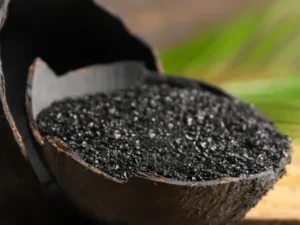
Activated Carbon for Food and Beverage Processing is a high-performance adsorption material engineered for the purification, decolorization, and detoxification of liquids and gases in food and beverage operations. Designed for industrial-scale use, it ensures optimal removal of impurities, off-flavors, and undesirable colors, safeguarding product quality and consistency. Its superior adsorption capacity, chemical stability, and durability make it a strategically vital component for manufacturers seeking operational efficiency and compliance with stringent industry standards. By leveraging this activated carbon, businesses can enhance product safety, maintain sensory quality, and reduce processing downtime, strengthening their competitive position in global markets.
2. Key Specifications & Technical Characteristics
- Material Composition: High-grade coconut shell or coal-based carbon
- Purity/Grade: Food and beverage processing grade, ≥99% carbon content
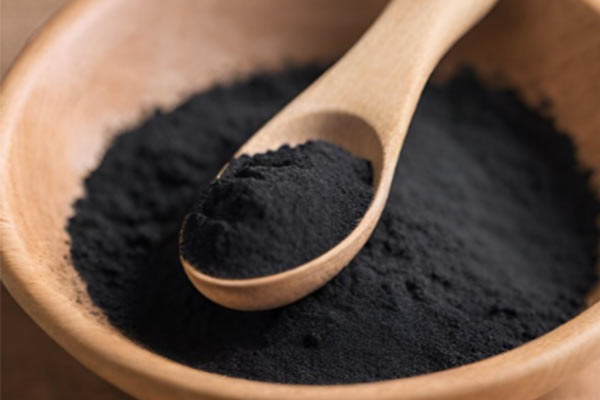
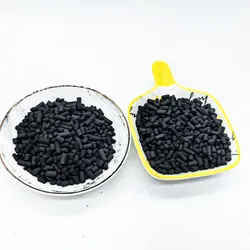
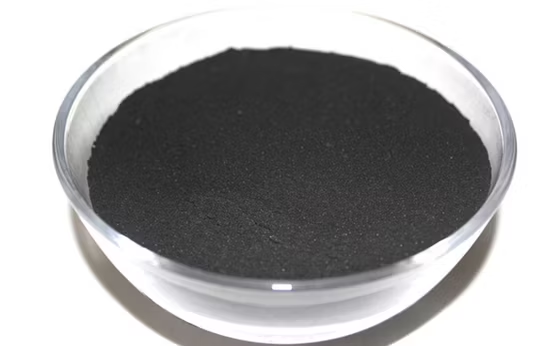
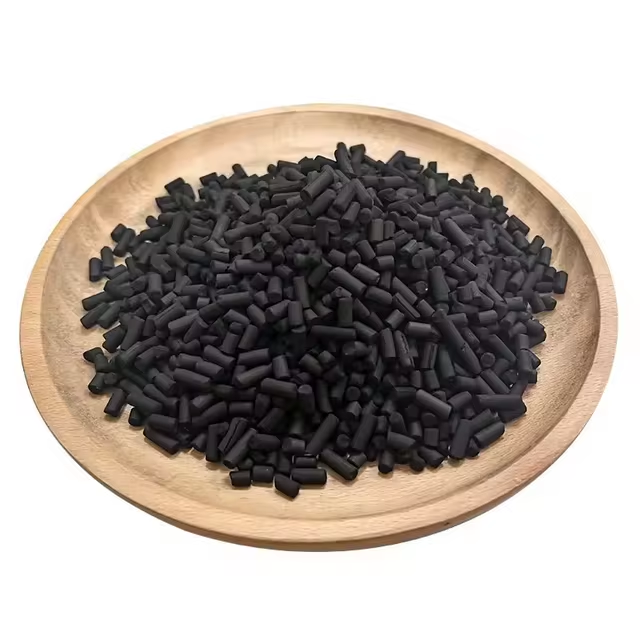
- Physical Form: Granular or powdered
- Particle Size: 0.5–2.0 mm (granular), customizable per client requirements
- Bulk Density: 0.45–0.55 g/cm³ (granular), 0.35–0.45 g/cm³ (powdered)
- Moisture Content: ≤5%
- Iodine Number (Adsorption Capacity): ≥1000 mg/g
- pH Range: 6–8 (aqueous solution)
- Ash Content: ≤5%
- Packaging Options: 25 kg, 50 kg, or jumbo bags; bulk containerized shipping available
- Shelf Life: 24 months under dry, ventilated storage conditions
3. Core Industrial Applications
- Primary Industries:
- Beverage processing (soft drinks, juices, wine, spirits)
- Food processing (edible oils, sugar refining, liquid flavorings)
- Water treatment in food-grade applications
- Operational Use Cases:
- Decolorization and clarification of liquids
- Removal of off-flavors, odors, and contaminants
- Polishing of refined sugar, edible oils, and alcoholic beverages
- Performance Advantages:
- High adsorption efficiency ensures consistent product quality
- Extended operational lifespan reduces replacement frequency
- Optimized particle size improves filtration efficiency and reduces processing time
- Outperforms standard carbons in adsorption rate and mechanical strength
4. Competitive Advantages
- Quality Consistency: Uniform particle size, high adsorption capacity, low ash content
- Supply Reliability: Large-scale production and global distribution capability
- Logistics Capability: Bulk shipment support and flexible packaging options
- Price Competitiveness: Cost-effective sourcing without compromising performance
- Sustainability: Derived from renewable coconut shell or responsibly sourced coal, recyclable after use
- Technical Support: Comprehensive product datasheets, usage guidelines, and process optimization consulting available
5. Commercial & Supply Information
- Minimum Order Quantity (MOQ): Bulk 20 MT
- Loading Capacity: Up to 20 MT per standard 20-foot container


Reviews
There are no reviews yet.