
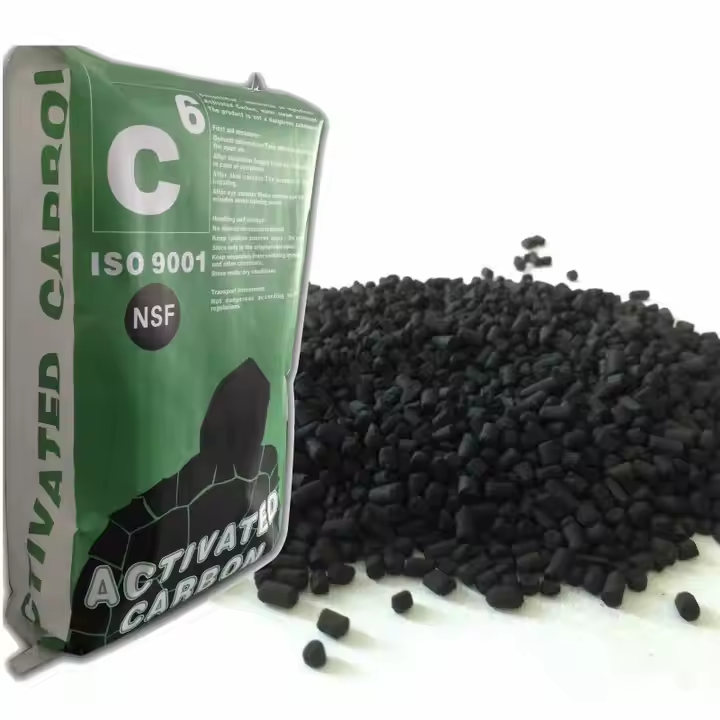
Description
Activated Carbon: A Deep Dive into Its Role in Drinking Water Purification
Clean, safe drinking water is essential for human health. But ensuring its availability requires robust purification methods, and activated carbon plays a pivotal role in this process. This seemingly simple material is a powerful adsorber, capable of removing a wide range of contaminants and improving the taste and odor of our water. Let’s delve into the workings of activated carbon and explore its critical function in drinking water purification.
What is Activated Carbon?
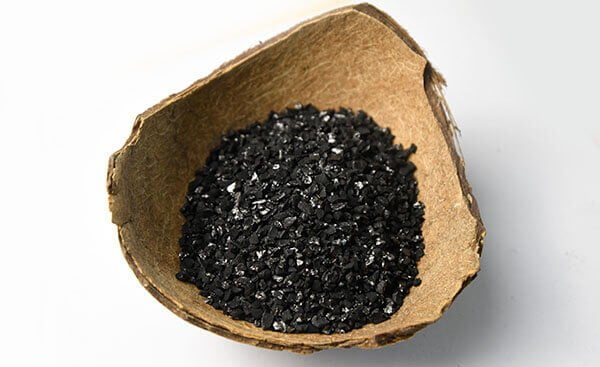
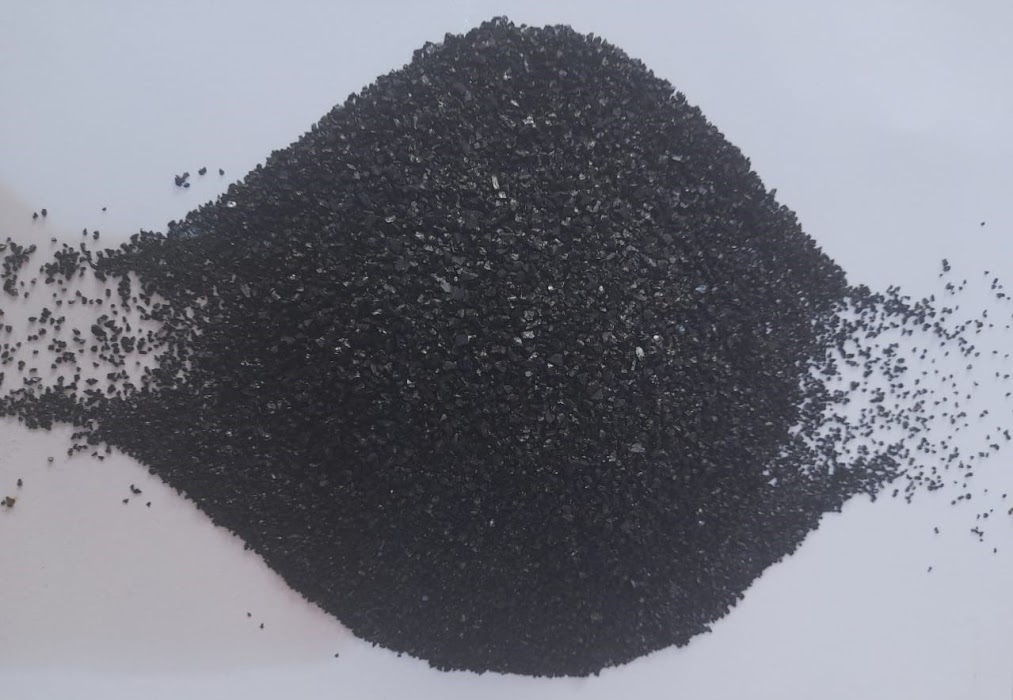
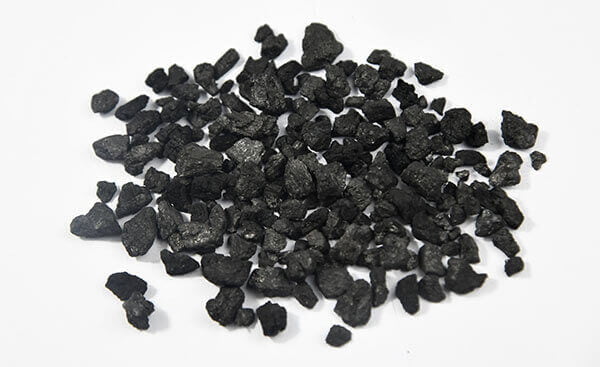
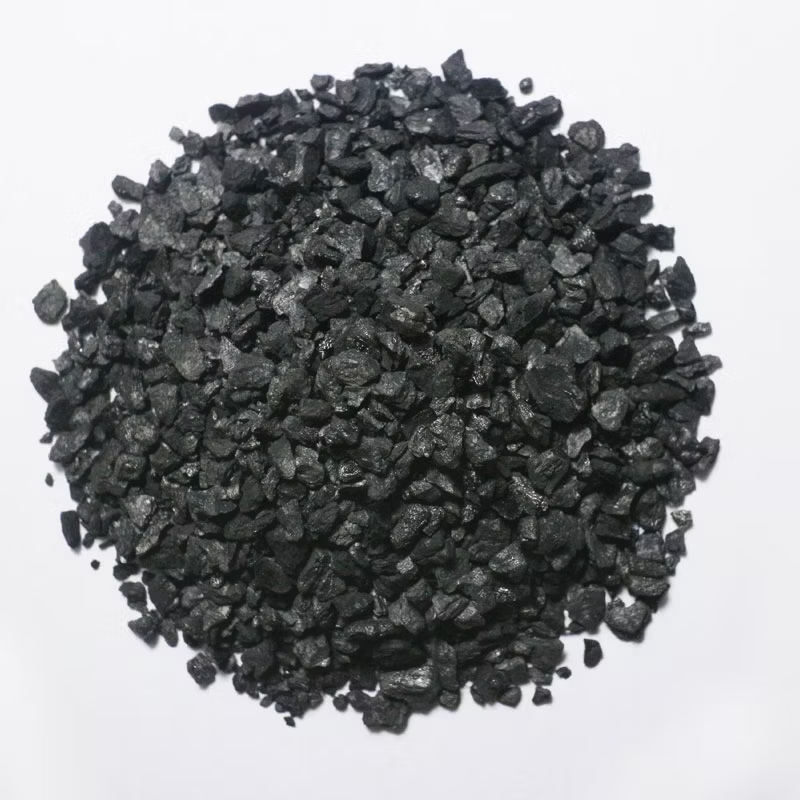
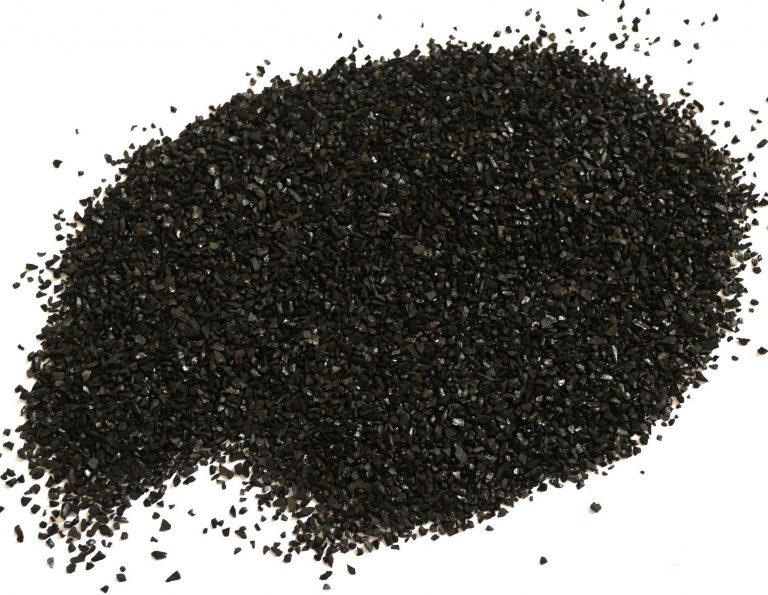
Activated carbon is a form of carbon that has been processed to have a large surface area available for adsorption or chemical reactions. It’s typically derived from carbonaceous raw materials like coal, wood, coconut shells, and agricultural byproducts. The “activation” process, which can involve thermal or chemical methods, creates a highly porous structure, resulting in a vast internal surface area, often exceeding 500 m²/g and sometimes reaching over 2,000 m²/g. This extensive surface area is the key to activated carbon’s exceptional adsorption capabilities.
How Activated Carbon Works: Adsorption in Action
The primary mechanism behind activated carbon’s effectiveness is adsorption. Unlike absorption, where a substance is taken into the bulk of another, adsorption is a surface phenomenon. Contaminants in the water adhere to the surface of the activated carbon, effectively removing them from the water.
Think of it like a super-sticky sponge. The sponge’s pores represent the vast surface area of the activated carbon, and the pollutants clinging to the sponge’s surface represent the adsorption process in action.
What Does Activated Carbon Remove?
Activated carbon is particularly effective in removing a variety of contaminants from drinking water, including:
- Organic Compounds: These include natural organic matter (NOM), pesticides, herbicides, and industrial chemicals that can affect the taste, odor, and safety of water.
- Chlorine and Chloramines: Used as disinfectants, chlorine and chloramines can leave an unpleasant taste and odor. Activated carbon effectively removes these residual disinfectants.
- Trihalomethanes (THMs): These are disinfection byproducts formed when chlorine reacts with organic matter. THMs are regulated due to potential health concerns.
- Volatile Organic Compounds (VOCs): These are a wide range of chemicals released from paints, solvents, and industrial processes.
- Certain Heavy Metals: While not as effective for all heavy metals, activated carbon can help remove lead and mercury under specific conditions.
Types of Activated Carbon Used in Water Purification:
Several types of activated carbon are used in water purification, each with its own advantages and applications:
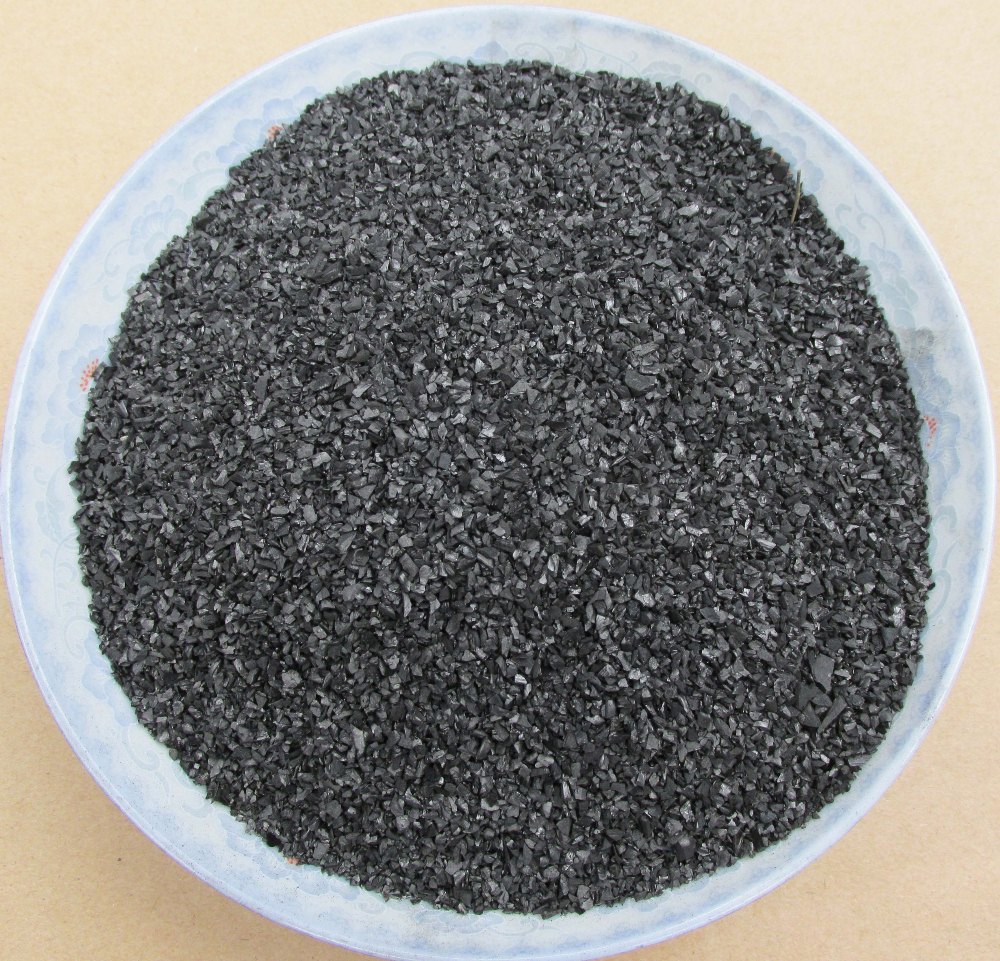
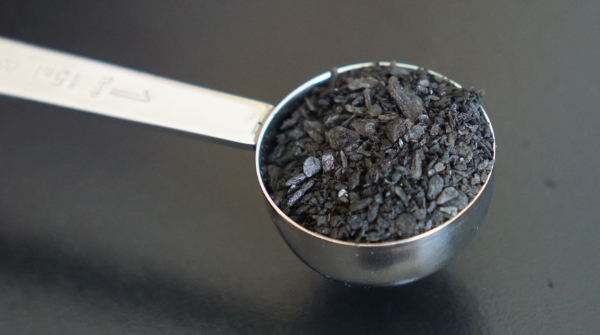
- Granular Activated Carbon (GAC): This form consists of relatively large particles and is commonly used in water treatment plants and point-of-entry (whole-house) filtration systems.
- Powdered Activated Carbon (PAC): This fine powder offers a larger surface area for rapid contaminant removal and is often used in batch treatment processes.
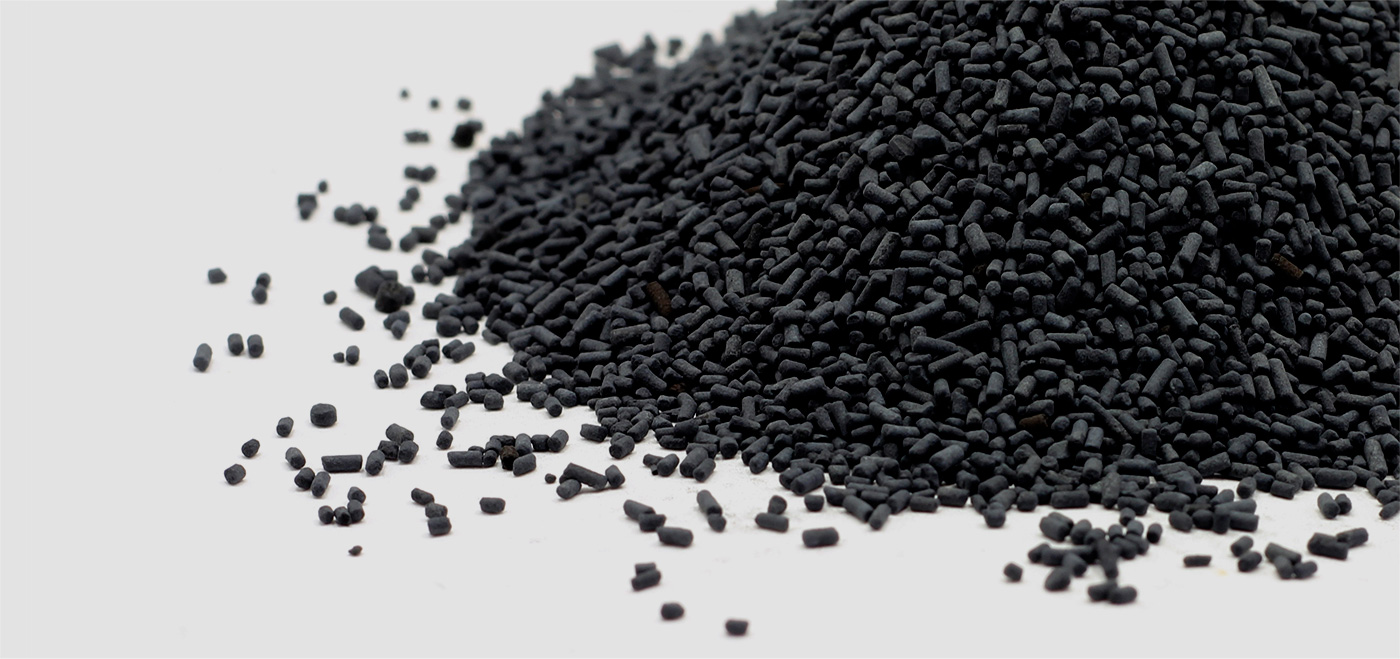
- Block Activated Carbon: This form is a compressed block of activated carbon particles, offering a high level of filtration and long lifespan. It’s often found in point-of-use filters like faucet filters and pitchers.
Applications of Activated Carbon in Drinking Water Purification:
Activated carbon finds widespread application in various settings, including:
- Municipal Water Treatment Plants: Used as a final polishing step to remove remaining contaminants and improve the overall quality of treated water.
- Point-of-Entry (POE) Systems: Installed at the main water line to filter all the water entering a home, providing comprehensive water purification.
- Point-of-Use (POU) Systems: Installed at specific faucets or in pitchers to filter water on demand, providing targeted water purification.
- Bottled Water Production: Used to purify the water used in bottled water products.
- Emergency Water Filtration: Activated carbon filters are often included in emergency preparedness kits for providing safe drinking water during disasters.
Advantages and Disadvantages of Using Activated Carbon:
Advantages:
- Effective at Removing a Wide Range of Contaminants: Offers broad-spectrum treatment.
- Improves Taste and Odor: Creates more palatable water.
- Relatively Cost-Effective: A practical solution for many water purification needs.
- Environmentally Friendly: Derived from renewable resources and can be regenerated for reuse.
Disadvantages:
- Not Effective for All Contaminants: It doesn’t remove all contaminants, like dissolved minerals or certain heavy metals.
- Can Become Saturated: Requires periodic replacement or regeneration to maintain its effectiveness.
- Potential for Bacterial Growth: Under certain conditions, bacteria can grow on the surface of activated carbon, requiring proper maintenance and disinfection.
Conclusion:
Activated carbon is a versatile and effective material playing a crucial role in ensuring safe and palatable drinking water. Its ability to adsorb a wide range of contaminants makes it a valuable tool for both municipal water treatment and individual water purification systems. While it’s essential to understand its limitations and implement proper maintenance, activated carbon remains a cornerstone of modern water purification, contributing significantly to public health and well-being. By understanding its principles and applications, we can better appreciate its contribution to providing clean and accessible drinking water for all.


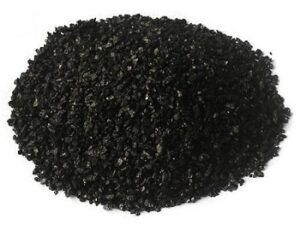

Reviews
There are no reviews yet.