
Description
1. Product Overview
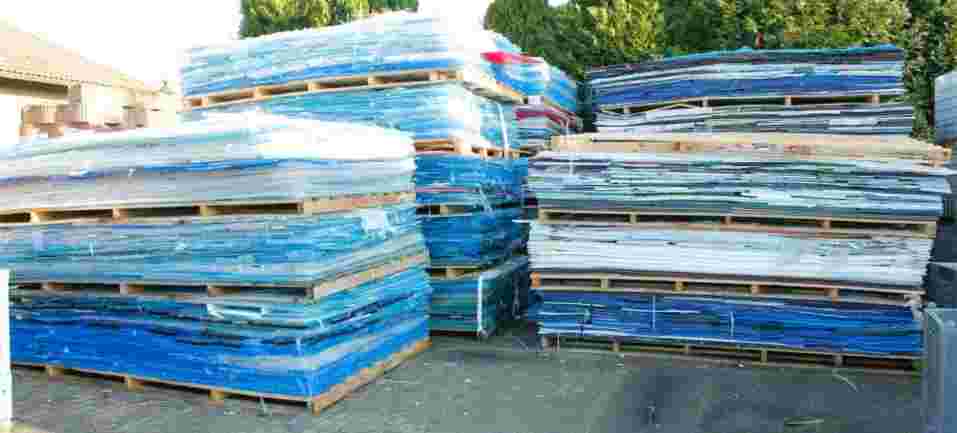
Acrylic Scrap is a recyclable polymer material derived from post-industrial or post-consumer acrylic products, primarily composed of polymethyl methacrylate (PMMA). It is widely used as a secondary raw material in plastic recycling, sheet manufacturing, and polymer compounding industries. By offering a high-quality feedstock for reprocessing, acrylic scrap enables manufacturers to significantly reduce raw material costs while maintaining desirable optical clarity and mechanical performance. As global industries increasingly prioritize circular material flows and sustainable manufacturing, acrylic scrap has become a strategically important resource within the plastics recycling and polymer supply chain.
2. Key Specifications & Technical Characteristics
- Material Composition: Predominantly Polymethyl Methacrylate (PMMA)
- Purity Level / Grade: Typically 95–99% acrylic content depending on sorting and processing
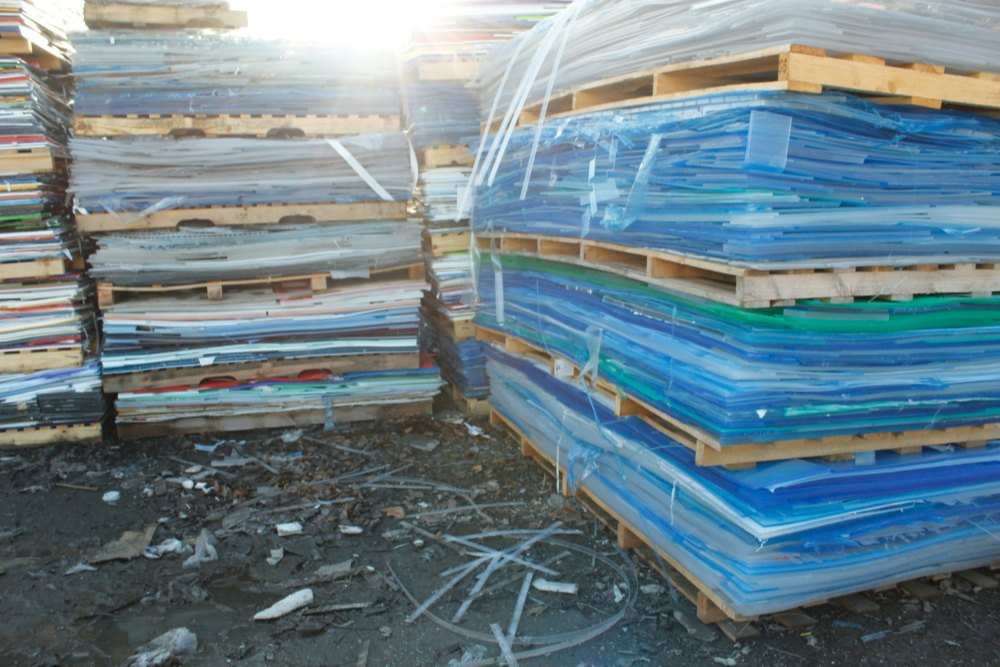
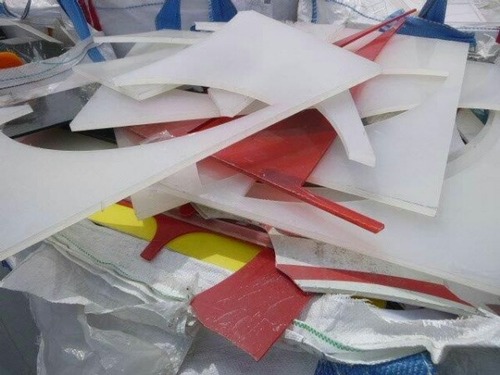
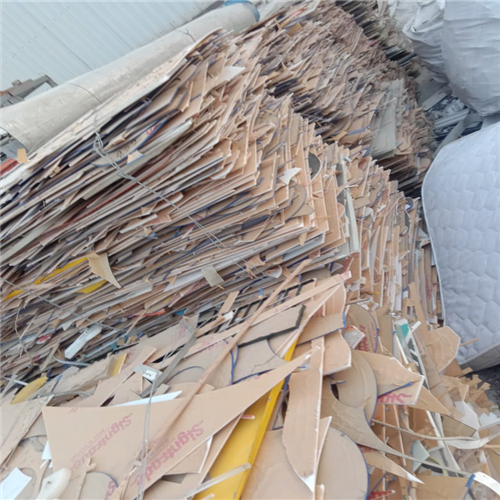
- Physical Form: Sheets, offcuts, granulated pieces, or mixed acrylic fragments
- Color: Clear, transparent, or mixed colors depending on source material
- Particle Size: Variable; flakes or pieces typically ranging from 5 mm to 100 mm depending on processing
- Bulk Density: Approximately 0.55–0.75 g/cm³ depending on form and compaction
- Moisture Content: Typically <1% under proper storage conditions
- Processing: Sorted, cleaned, and prepared for recycling or polymer reprocessing
- Packaging Options: Bulk loose loading, jumbo bags (1 MT), or palletized packaging
- Shelf Life: Indefinite when stored in dry, contamination-free environments
3. Core Industrial Applications
Acrylic Scrap is widely utilized across the plastics recycling and manufacturing sectors due to its high polymer purity and excellent reprocessing characteristics.
- Plastic Recycling Industry: Used as a feedstock for re-extrusion and pelletizing processes to produce recycled PMMA granules for industrial manufacturing.
- Acrylic Sheet Manufacturing: Reintroduced into sheet production lines where recycled PMMA is blended with virgin polymer to optimize production cost and material efficiency.
- Polymer Compounding: Incorporated into engineered plastic blends to enhance transparency, rigidity, and UV resistance in specialty plastic products.
- Industrial Manufacturing: Utilized in the production of lighting fixtures, signage, display components, automotive interior parts, and consumer goods.
Compared with alternative recycled plastics, acrylic scrap offers superior optical clarity, excellent weather resistance, and strong mechanical stability, making it a valuable material for high-performance recycled polymer applications.
4. Competitive Advantages
- High Material Purity: Carefully sorted and processed to maintain strong PMMA content suitable for recycling and reprocessing
- Consistent Quality Supply: Reliable sourcing from industrial acrylic fabrication and manufacturing streams
- Efficient Global Logistics: Bulk export capability with containerized shipping and flexible packaging solutions
- Cost-Effective Raw Material: Substantial cost savings compared with virgin PMMA resin while maintaining performance properties
- Environmental Sustainability: Supports circular plastic economies by reducing polymer waste and minimizing reliance on virgin petrochemical feedstocks
- Technical Documentation: Material specifications and quality documentation available for industrial procurement and processing verification
5. Commercial & Supply Information
- Minimum Order Quantity (MOQ): BULK 20 MT
- Loading Capacity: 20–25 MT per 20-ft container depending on packaging format and material density
Reviews
There are no reviews yet.