

Description
Understanding Acrylic Acid: Properties, Applications, and Environmental Considerations
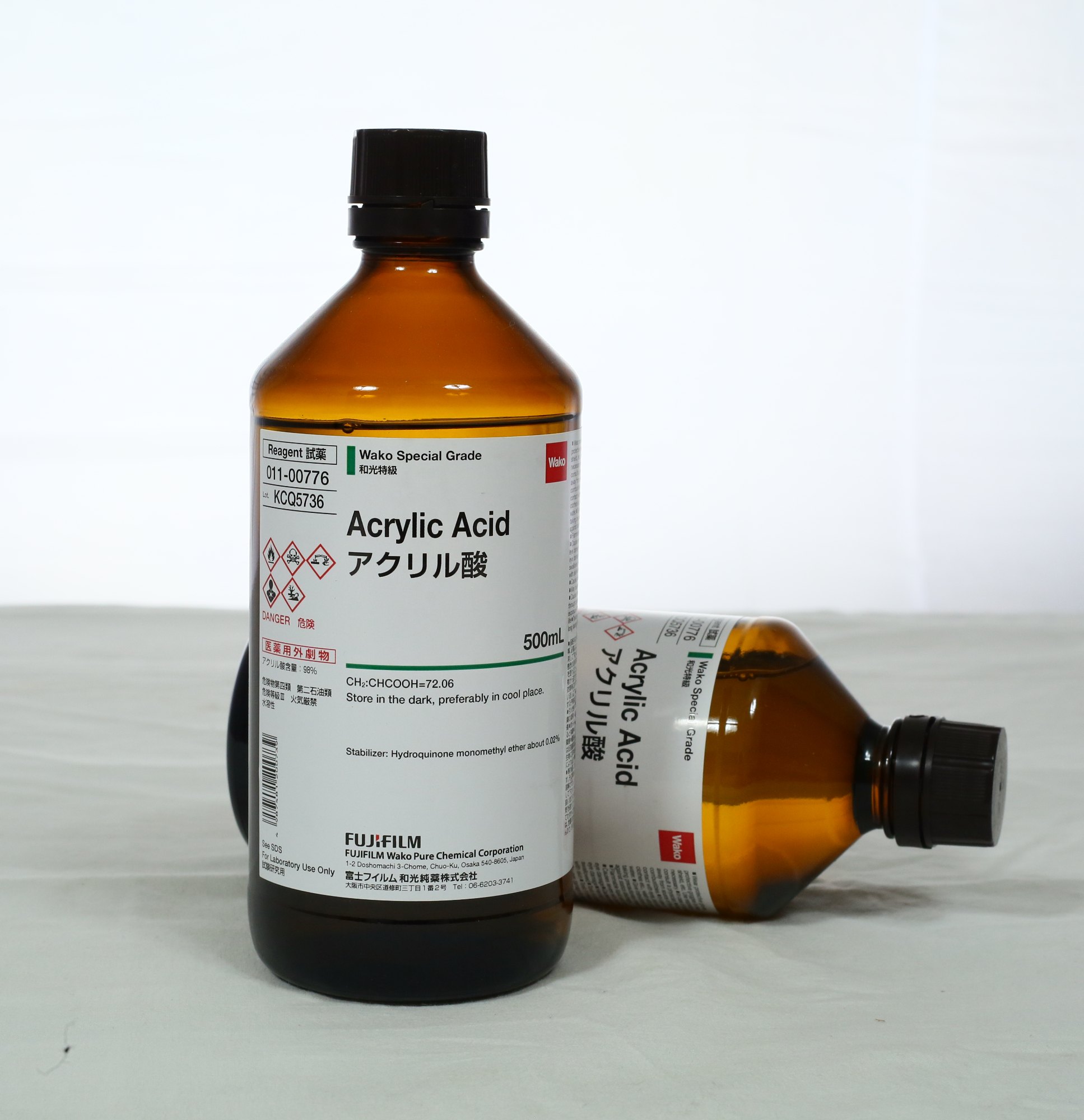
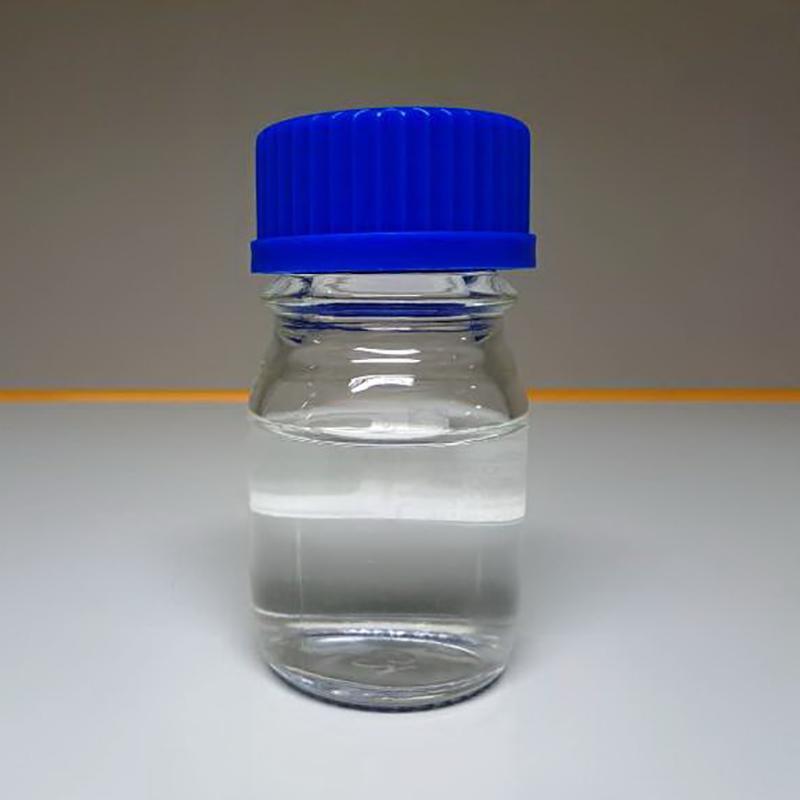
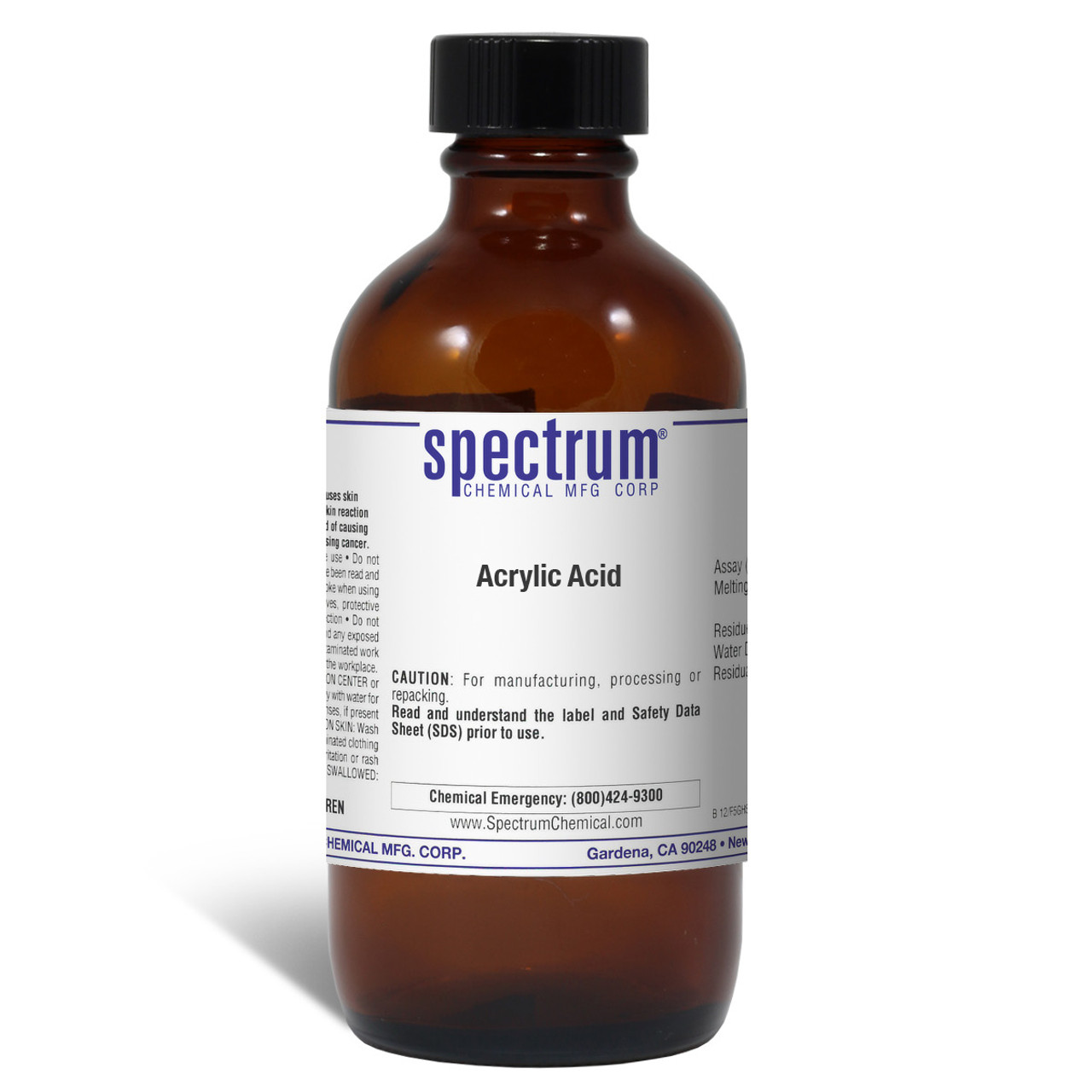
Acrylic acid is a colorless and slightly viscous liquid that serves as a fundamental building block in the production of various polymers and copolymers. With a chemical formula of C3H4O2, this organic compound falls under the category of unsaturated carboxylic acids, characterized by the presence of a double bond between carbon atoms. Its molecular structure not only defines its chemical properties but also underpins its extensive applications across multiple industries.
Properties of Acrylic Acid
- Chemical Structure: Acrylic acid is an unsaturated monomer with a carboxylic acid functional group. The presence of the double bond makes it reactive and versatile, particularly in polymerization reactions.
- Physical Characteristics: It has a low molecular weight (72.06 g/mol) and a density of 1.05 g/cm³. The boiling point is around 141 °C (286 °F), and it possesses a distinct acrid odor that is often reminiscent of vinegar or spoiled food.
- Solubility: Acrylic acid is highly soluble in water, which aids its integration into various aqueous applications. Its solubility extends to a range of organic solvents, making it a valuable compound in diverse chemical processes.
Production of Acrylic Acid
The production of acrylic acid primarily occurs through two methods: the propylene oxidation process and the glycerol process.
- Propylene Oxidation: The most common method involves the oxidation of propylene, derived from petroleum refining. In this process, propylene is reacted with oxygen over a catalyst to yield acrylic acid. This method accounts for the vast majority of global production.
- Glycerol Process: An alternative and more sustainable method involves the dehydration of glycerol, a by-product of biodiesel production. This process has gained traction due to its renewable feedstock and lower environmental impact.
Applications of Acrylic Acid
Acrylic acid is predominantly used in the manufacture of superabsorbent polymers (SAPs) which are essential in products like diapers and feminine hygiene products. However, its applications extend much further:
- Adhesives and Sealants: Due to its excellent adhesive properties, acrylic acid is widely utilized in formulating adhesives, sealants, and coatings, which demand high performance and durability.
- Textiles: It contributes to textile treatments, enhancing water resistance, and providing stain repellence.
- Paints and Coatings: Acrylic acid is instrumental in the production of acrylic resins, employed in paints and coatings that offer superior gloss and color retention.
- Water Treatment: It is used as a coagulant in water treatment processes, helping improve the removal of sediment and impurities.
- Personal Care Products: The cosmetic industry incorporates acrylic acid in gels, creams, and lotions for its thickening and stabilizing properties.
Environmental Considerations
While acrylic acid has revolutionized various industries, concerns regarding its environmental impact are increasingly at the forefront. The production and use of acrylic acid involve specific safety and environmental considerations:
- Toxicity: Acrylic acid is classified as a hazardous substance. Inhalation and prolonged skin contact can lead to irritation and other health effects, necessitating stringent handling procedures.
- Environmental Impact: The production process, particularly from fossil fuels, raises issues pertaining to greenhouse gas emissions. Thus, the shift towards producing acrylic acid from renewable resources, such as glycerol, presents a promising avenue for sustainability.
- Biodegradability: Acrylic acid itself is not biodegradable; however, many polymers produced from acrylic acid can be designed to degrade under specific conditions, which can alleviate some environmental concerns.
Conclusion
Acrylic acid is a vital chemical compound that has significant industrial importance due to its versatility and diverse applications. It plays an essential role in the production of numerous everyday products, from household items to high-performance materials. As industries strive for greater sustainability, the challenge and opportunity lie in minimizing its environmental footprint, particularly through the exploration of renewable production methods. With responsible stewardship, acrylic acid will continue to contribute positively to both the economy and society while addressing environmental concerns.


Reviews
There are no reviews yet.