
Description
Acetophenone: A Versatile Aromatic Ketone Shaping Industries
Acetophenone, also known as methyl phenyl ketone, is a fascinating organic compound with a sweet, floral odor reminiscent of almonds, cherry, and honeysuckle. This colorless to pale yellow liquid, though perhaps unfamiliar by name, plays a significant role in various industries, from perfumery to polymer chemistry. Let’s delve into the properties, applications, and fascinating aspects of this versatile aromatic ketone.
Aromatic Structure and Properties:
Acetophenone boasts a simple yet powerful structure: a ketone group (C=O) directly attached to a benzene ring. This aromatic ring gives acetophenone its characteristic stability and reactivity. Its chemical formula is C8H8O.
Key properties of acetophenone include:
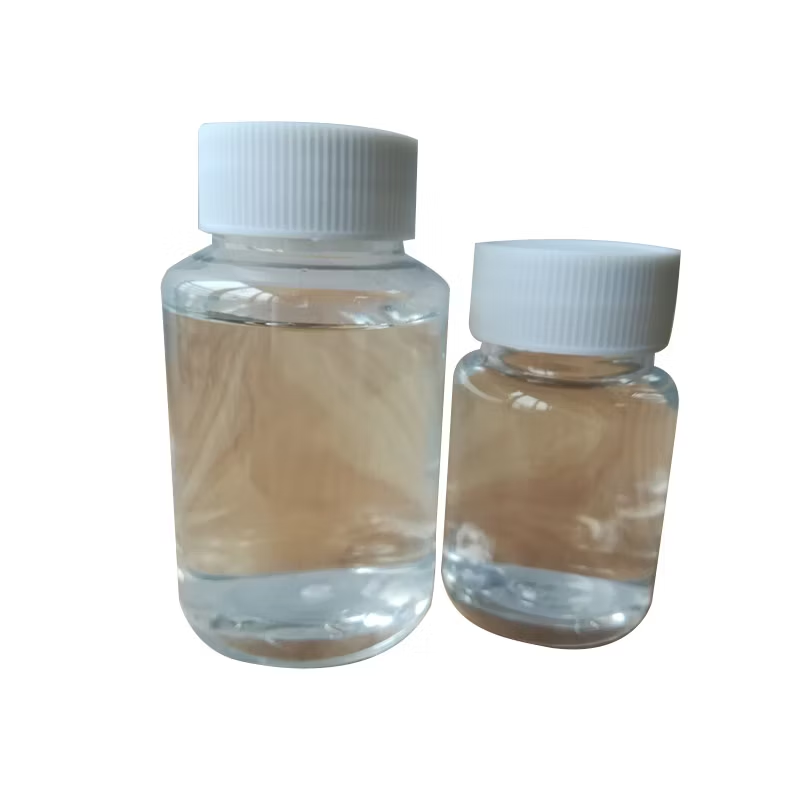
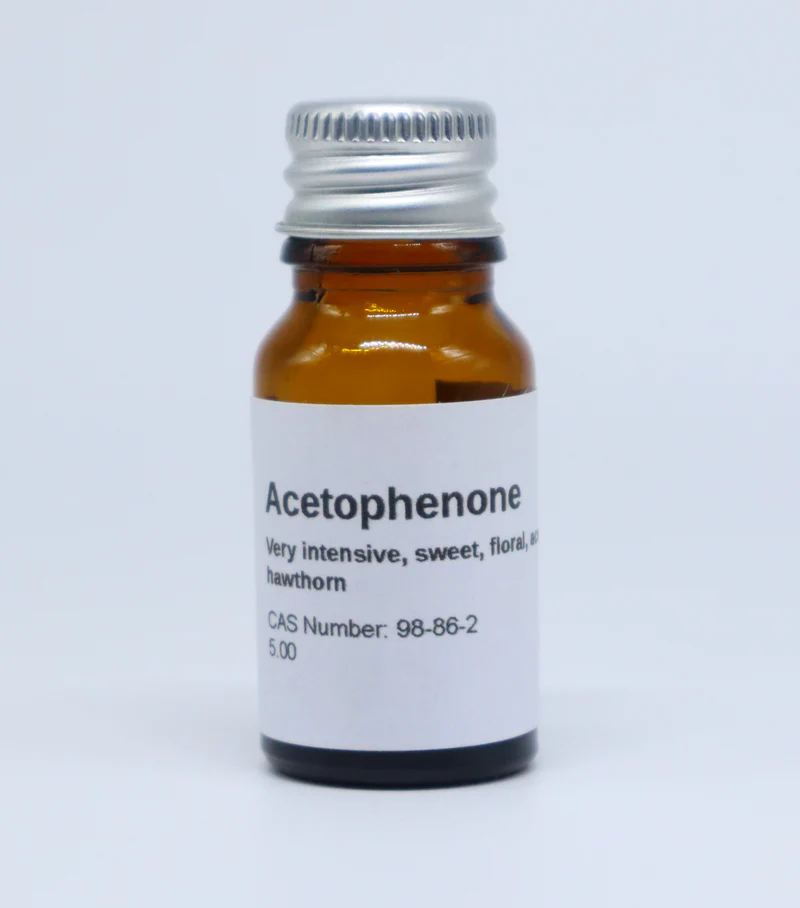
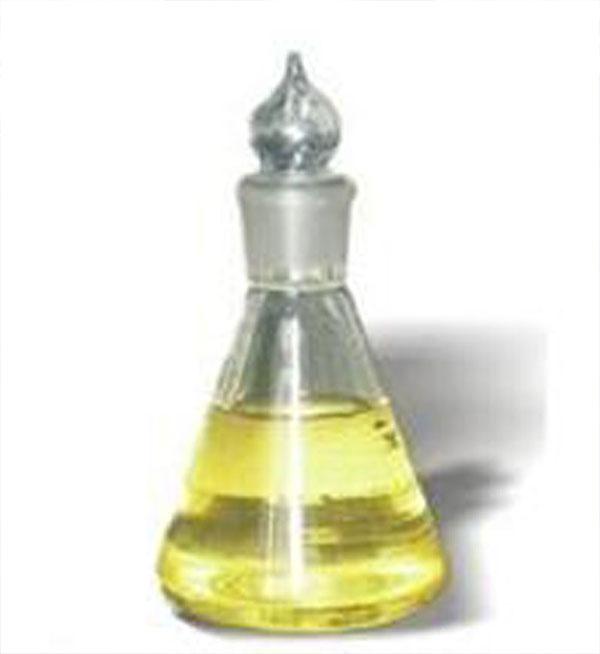
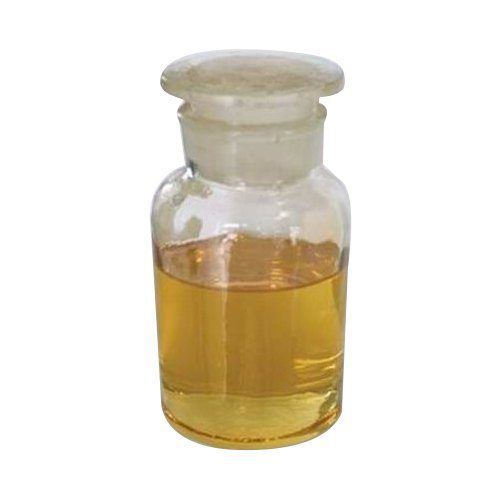
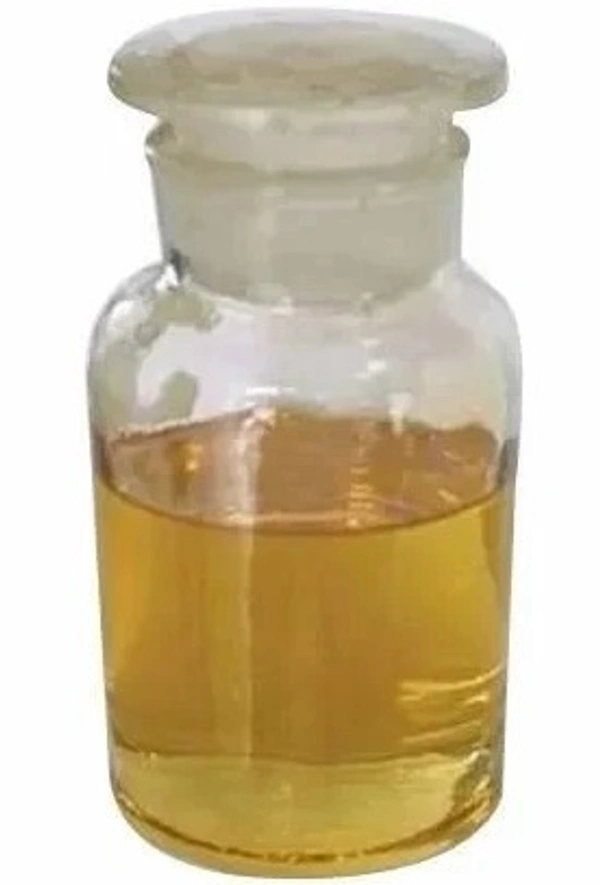
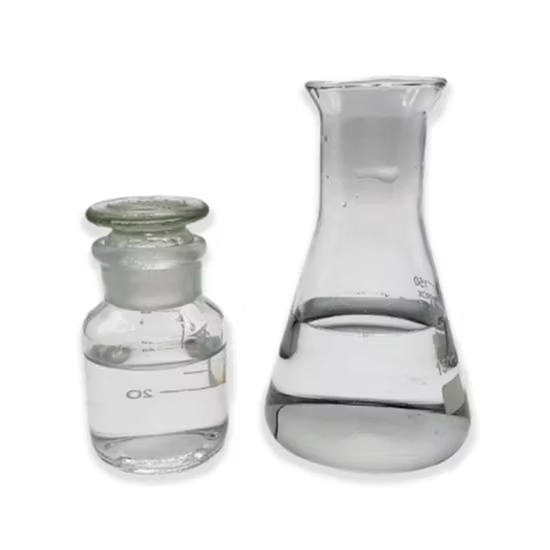
- Appearance: Colorless to pale yellow liquid
- Odor: Sweet, floral, resembling almonds, cherry, and honeysuckle
- Solubility: Slightly soluble in water, highly soluble in organic solvents
- Boiling Point: 205 °C (401 °F; 478 K)
- Melting Point: 20 °C (68 °F; 293 K)
Uses and Applications:
Acetophenone’s unique properties make it a valuable compound with diverse applications:
- Perfumery: Its pleasant fragrance makes it a crucial ingredient in perfumery, where it is used to add floral, almond-like notes to various fragrances. It often serves as a base note, providing a lasting and grounding scent.
- Flavoring Agent: While not intensely flavorful, acetophenone is approved as a flavoring agent by the FDA. It is used in small quantities in certain food products to contribute to a nutty or fruity flavor profile.
- Pharmaceuticals: Acetophenone serves as an intermediate in the synthesis of various pharmaceuticals, including hypnotic drugs.
- Polymer Chemistry: Acetophenone derivatives play a role in polymer chemistry. For example, it’s used in the synthesis of certain resins and plastics, contributing to their properties and structure.
- Industrial Solvent: Acetophenone can act as a solvent for plastics and resins, due to its ability to dissolve certain organic materials.
- Research and Development: In laboratories, acetophenone is used as a precursor to synthesize other organic compounds and as a reagent in various chemical reactions.
Production and Synthesis:
Acetophenone is primarily produced industrially via two main routes:
- Friedel-Crafts Acylation: This method involves reacting benzene with acetyl chloride or acetic anhydride in the presence of a Lewis acid catalyst, such as aluminum chloride.
- Oxidation of Ethylbenzene: Another common method involves the oxidation of ethylbenzene, a readily available petrochemical feedstock, to produce acetophenone.
Safety Considerations:
While generally considered safe in low concentrations, acetophenone should be handled with care. It can cause skin and eye irritation upon direct contact. Inhalation of high concentrations may lead to respiratory irritation. Appropriate personal protective equipment, such as gloves and eye protection, should be worn when handling this chemical.
Conclusion:
Acetophenone, with its sweet aroma and versatile chemical properties, is a valuable compound that quietly shapes industries. From adding delicate notes to perfumes to serving as a building block in pharmaceuticals and polymers, its applications are diverse and significant. Understanding the properties, uses, and safety aspects of acetophenone is key to appreciating its impact on various fields and its role in our everyday lives. As research continues, we can anticipate even more innovative applications for this fascinating aromatic ketone in the future.


Reviews
There are no reviews yet.