
Description
1. Product Overview
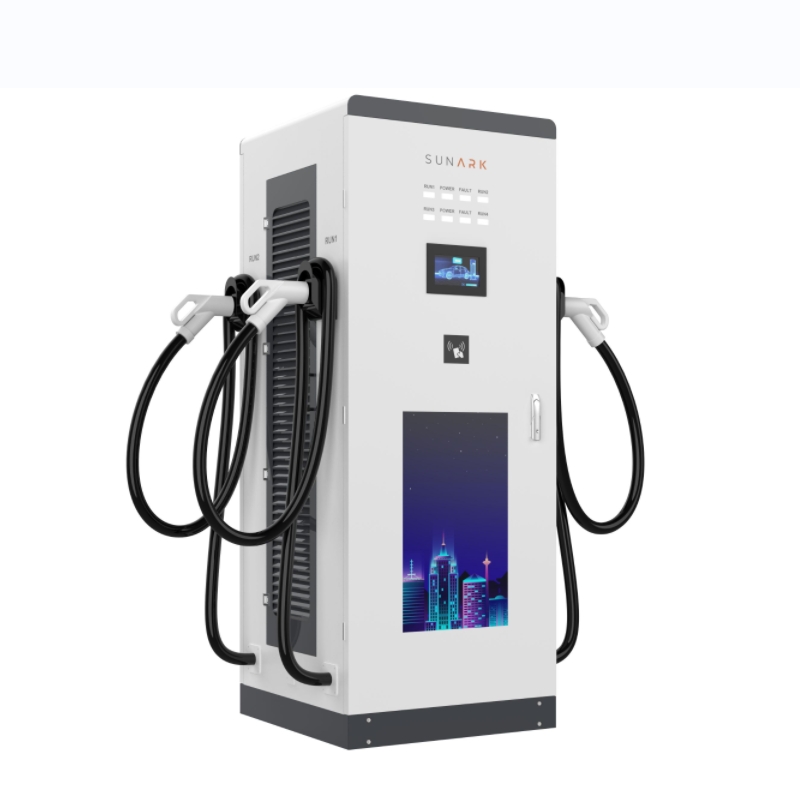
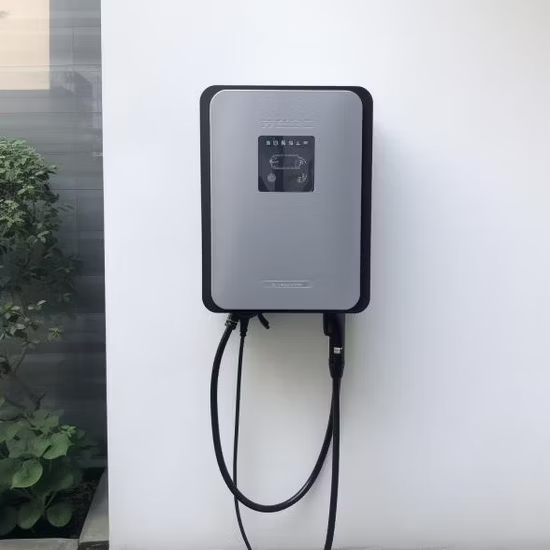
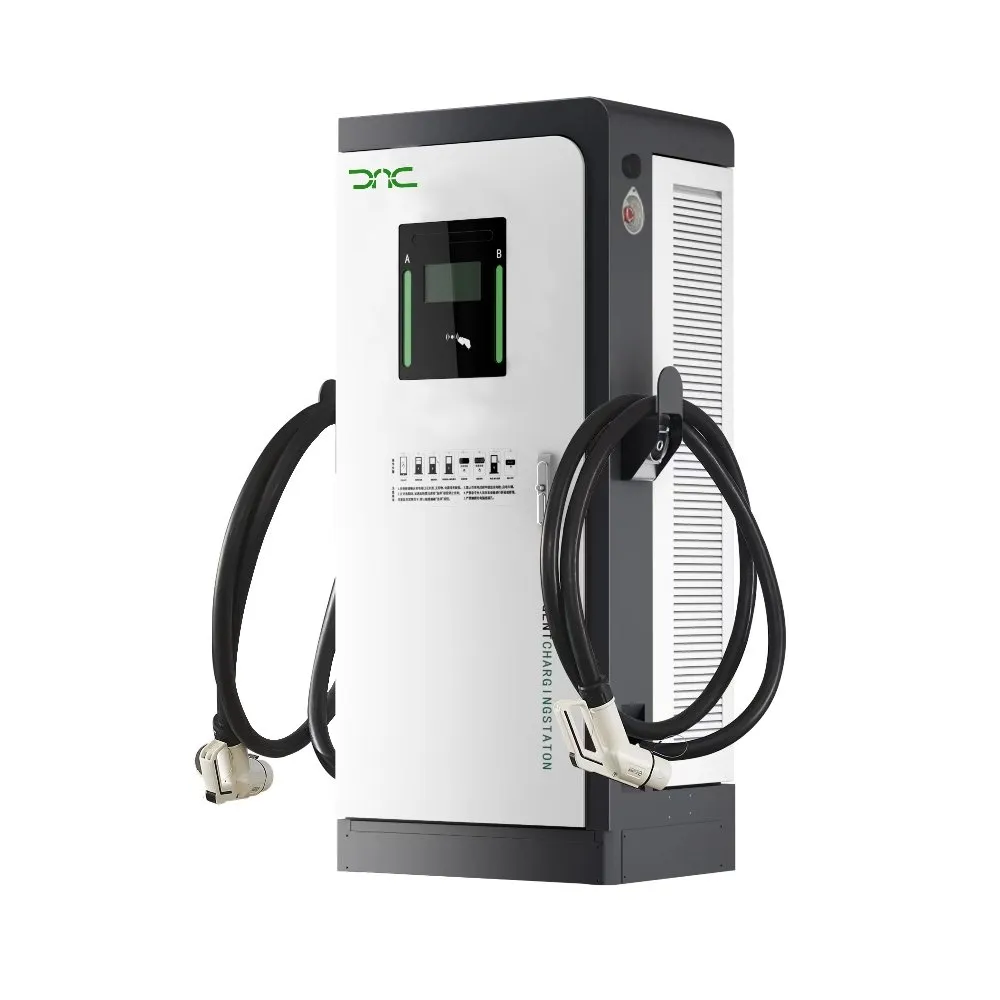
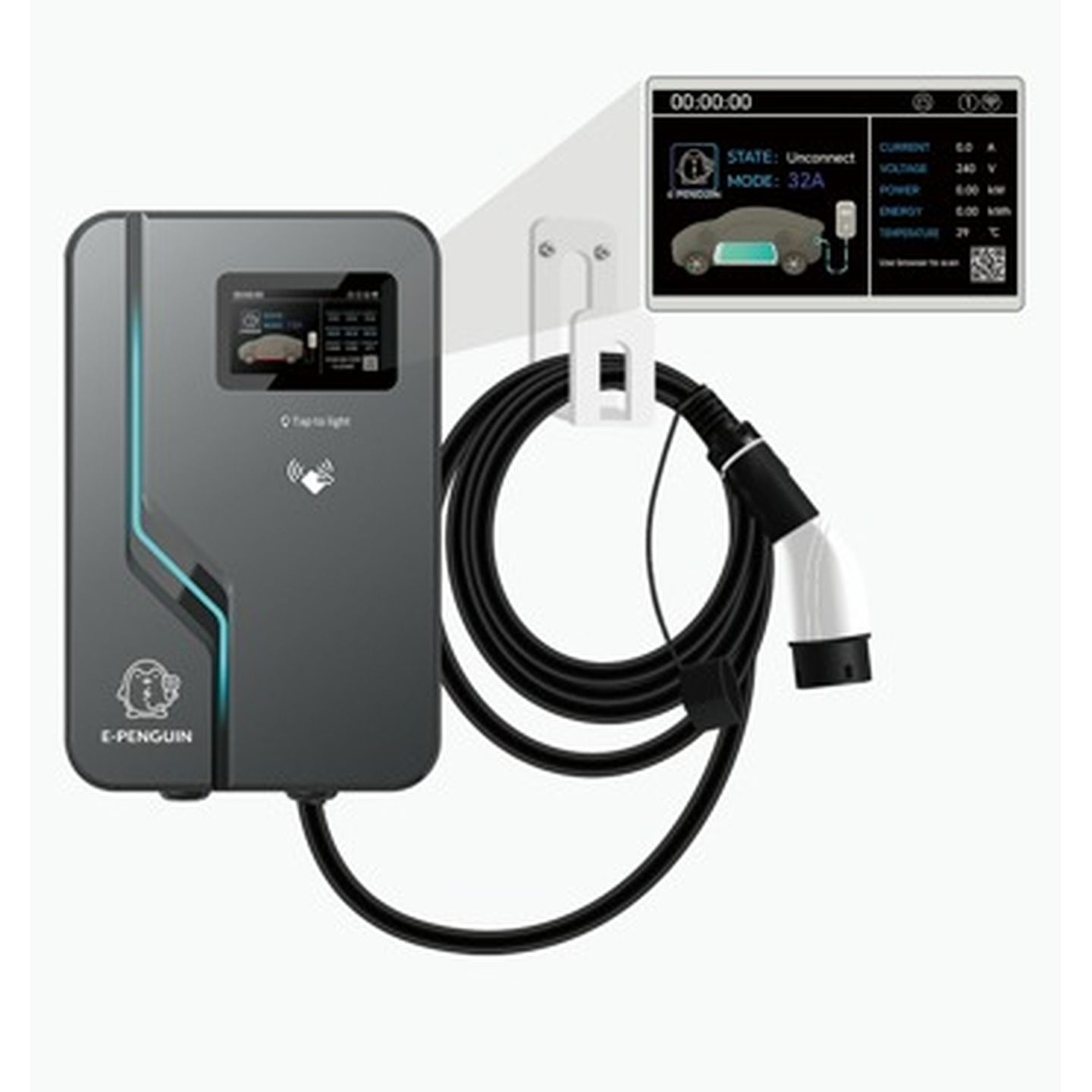
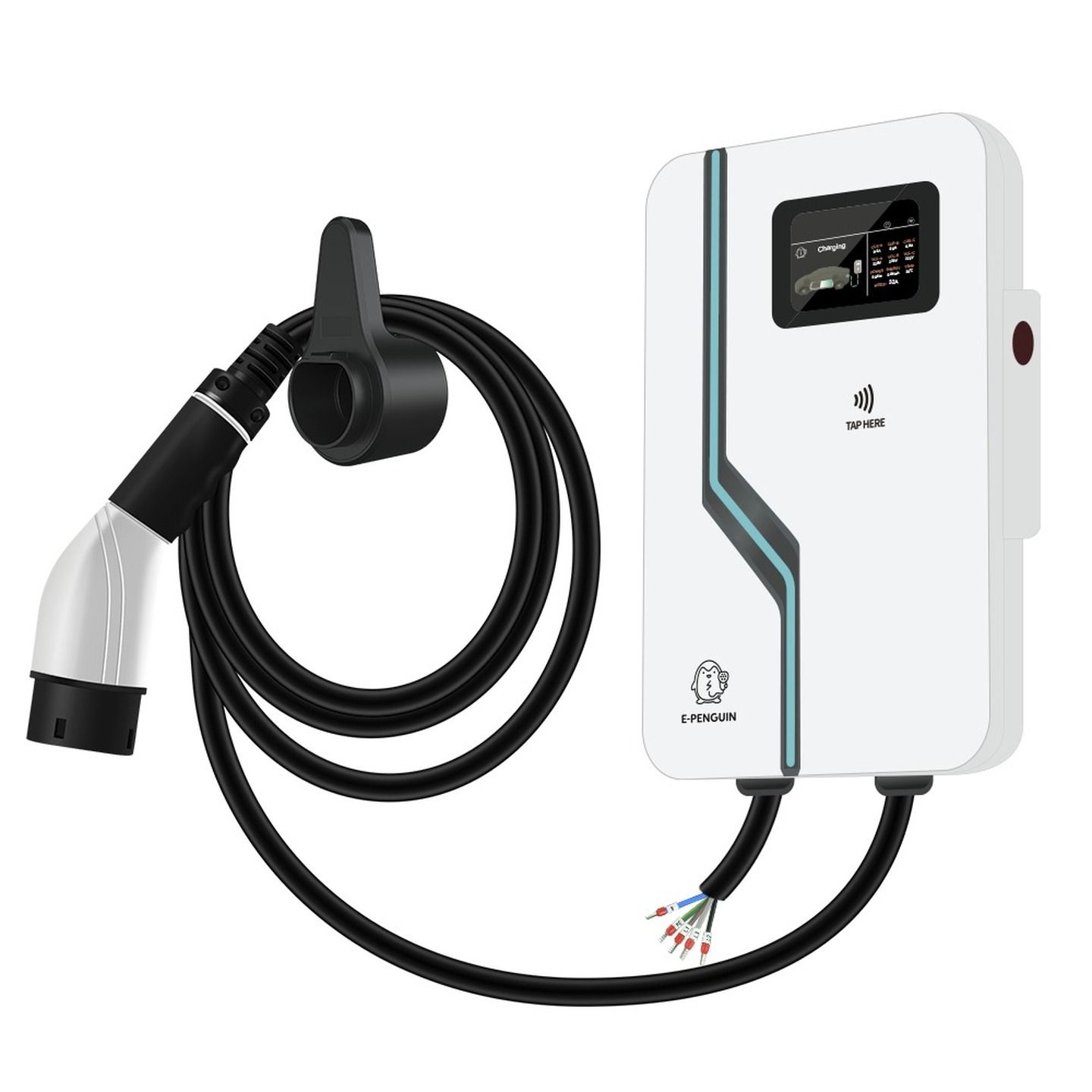
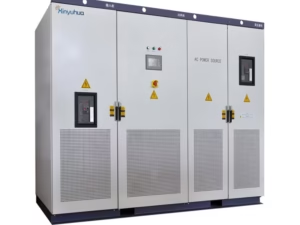
AC EV Chargers (7–22 kW) are commercial-grade electric vehicle charging units designed for efficient alternating current (AC) charging of passenger EVs and light commercial vehicles. These chargers deliver reliable power output within the 7–22 kW range, making them ideal for residential complexes, workplaces, public parking facilities, and fleet depots. The key value proposition lies in providing scalable, cost-efficient EV charging infrastructure with straightforward installation and strong compatibility across major EV models. Strategically, AC EV chargers play a critical role in the global electrification of transportation by enabling widespread charging access while supporting grid stability and sustainable mobility initiatives.
2. Key Specifications & Technical Characteristics
- Electrical Components & Materials:
- Industrial-grade power electronics and control boards
- Copper conductors and internal wiring systems
- High-durability polymer or aluminum housing
- Integrated protection modules (overcurrent, overvoltage, ground fault protection)
- Power Output / Rating:
- Adjustable charging capacity: 7 kW – 22 kW
- Single-phase or three-phase configurations available
- Input voltage range: typically 220–415V AC (depending on model)
- Physical Characteristics:
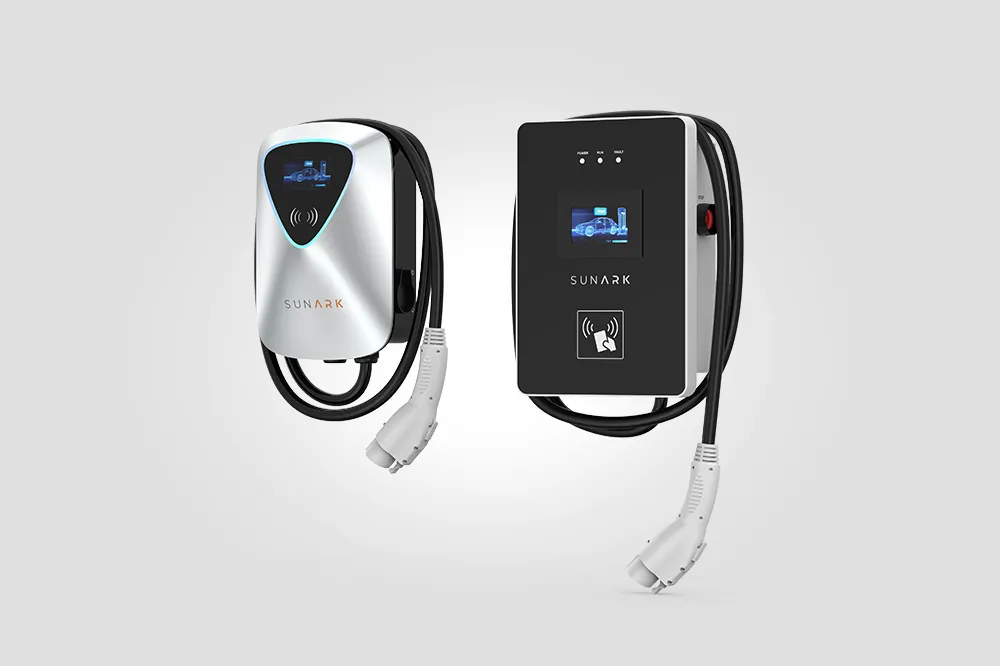
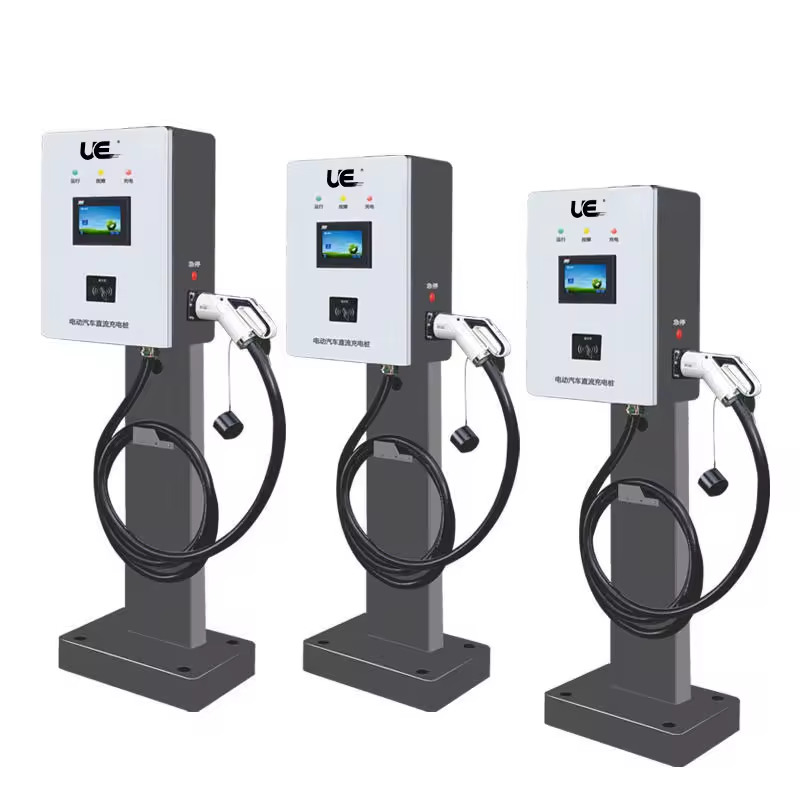
- Wall-mounted or pedestal-mounted units
- Compact industrial enclosure with weather-resistant construction
- Protection rating: typically IP54–IP65 for outdoor use
- Operating temperature range suitable for commercial environments
- Connectivity & Interface:
- Standard charging connectors compatible with major EV standards
- Optional smart connectivity: Wi-Fi, Ethernet, or cellular modules
- LCD/LED display and RFID authentication options
- Packaging Options:
- Individual carton packaging with protective inserts
- Palletized shipments for bulk orders
- Optional installation kits and mounting accessories
- Shelf Life:
- Long-term storage stability when stored in dry, climate-controlled conditions
3. Core Industrial Applications
Primary Industries:
- EV charging infrastructure developers
- Commercial real estate operators
- Fleet management companies
- Retail and hospitality sectors
- Municipal and public transportation authorities
Operational Use Cases:
- Workplace EV charging stations
- Residential apartment and condominium parking facilities
- Public parking lots and commercial centers
- Fleet depot charging for electric company vehicles
- Smart charging networks integrated with energy management systems
Performance & Cost Advantages:
AC EV chargers in the 7–22 kW range offer a balanced combination of installation simplicity, cost efficiency, and reliable charging performance. Compared with high-power DC chargers, AC systems require significantly lower infrastructure investment while providing sufficient overnight or daytime charging capacity. Their modular scalability allows operators to expand charging networks progressively while maintaining operational flexibility and manageable capital expenditure.
4. Competitive Advantages
- Quality Consistency: Manufactured with industrial-grade components and strict quality control standards
- Supply Reliability: Scalable production capacity supporting infrastructure deployment projects
- Logistics Capability: Global shipping with secure packaging and palletized bulk delivery options
- Price Competitiveness: Lower installation and procurement cost compared with DC fast-charging solutions
- Sustainability Benefits: Supports zero-emission transportation infrastructure and renewable energy integration
- Technical Documentation: Full installation manuals, electrical specifications, compliance certifications, and technical support available
Positioned as a strategic infrastructure investment, AC EV Chargers (7–22 kW) enable businesses and municipalities to deploy reliable EV charging networks, accelerate electric mobility adoption, and strengthen long-term sustainability initiatives.
5. Commercial & Supply Information
- Minimum Order Quantity (MOQ): BULK 20MT
- Loading Capacity (MT per container): Approximately 20–24 MT per 20’ container (subject to packaging configuration and unit weight)


Reviews
There are no reviews yet.