



Description
4-Nitrobenzaldehyde: A Versatile Building Block in Chemical Synthesis
4-Nitrobenzaldehyde is an organic compound with the chemical formula C₇H₅NO₃. It’s characterized by a benzene ring substituted with both an aldehyde (-CHO) and a nitro (-NO₂) group at positions 1 and 4 respectively. This seemingly simple structure belies its importance as a versatile building block in a wide range of chemical syntheses, finding applications in pharmaceuticals, agrochemicals, dyes, and materials science.
Properties and Characteristics:
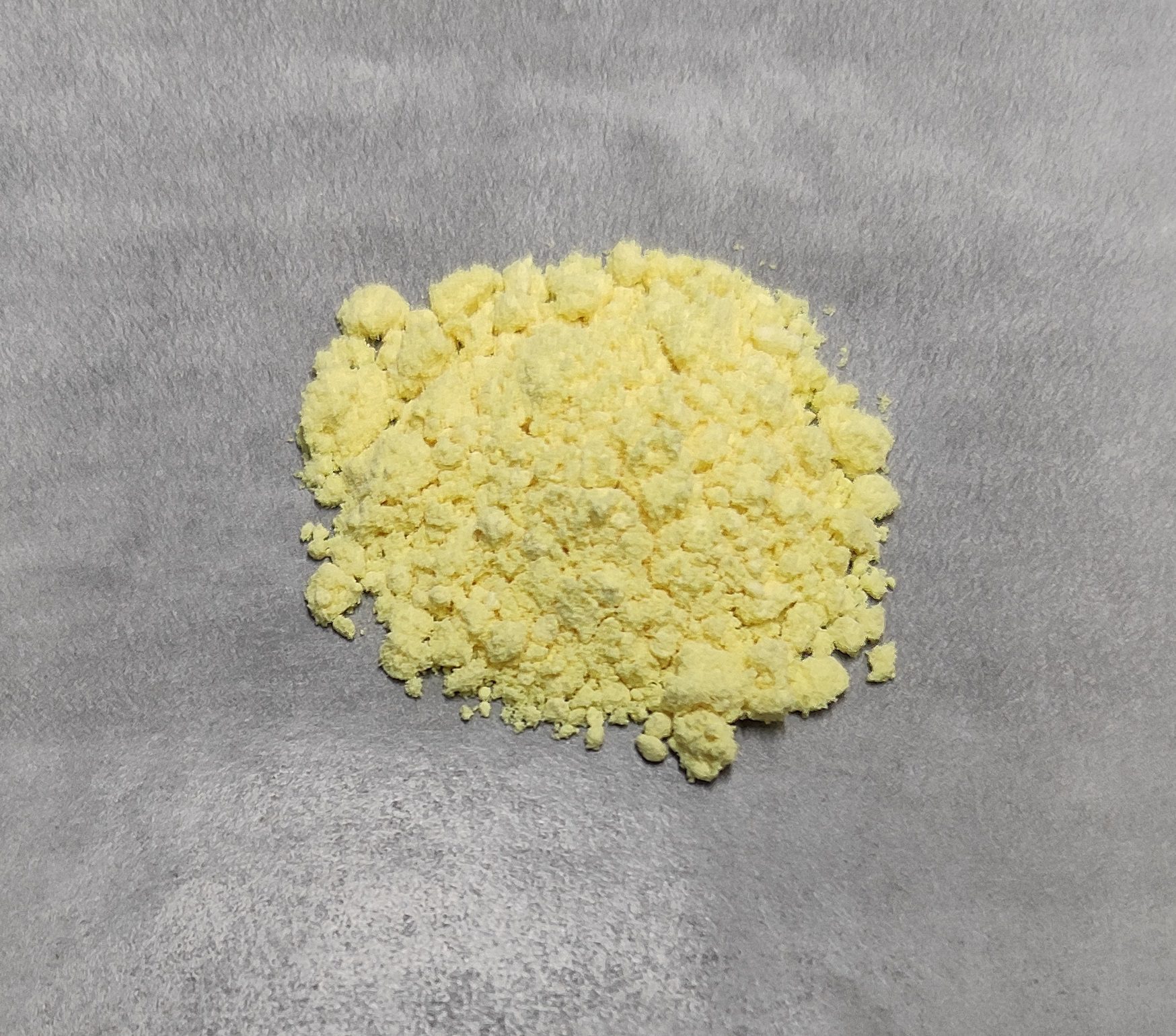
4-Nitrobenzaldehyde typically appears as a pale yellow to yellow crystalline solid. It possesses a characteristic almond-like odor and is soluble in organic solvents like ethanol, ether, and acetone, but only sparingly soluble in water. Its key properties stem from the presence of the highly reactive aldehyde group and the electron-withdrawing nitro group. The nitro group significantly influences the reactivity of the aldehyde by decreasing its electron density, making it a good electrophile.
Key Applications in Chemical Synthesis:
The reactivity of 4-Nitrobenzaldehyde allows it to participate in a variety of chemical reactions, making it a valuable intermediate in organic synthesis:
- Pharmaceuticals: It serves as a precursor in the synthesis of various pharmaceutical compounds. Its nitro group can be reduced to an amino group, which can then be further modified to create complex drug molecules. Examples include intermediates for the synthesis of drugs with anti-inflammatory and antimicrobial properties.
- Agrochemicals: 4-Nitrobenzaldehyde is used in the production of agrochemicals, including herbicides and insecticides. The nitro group can be modified or incorporated into the final product to improve efficacy or selectivity.
- Dyes and Pigments: The compound plays a vital role in the production of azo dyes and other colored compounds. The nitro group can be used as a directing group or as a precursor to diazonium salts that react with coupling agents to form colorful dyes.
- Materials Science: 4-Nitrobenzaldehyde is employed in the synthesis of functional materials. It can be used to create polymers with specific electronic or optical properties. Its ability to undergo condensation reactions allows for the formation of polymeric structures with incorporated nitro groups, influencing their properties.
- Heterocyclic Chemistry: The aldehyde group readily participates in cyclization reactions leading to the formation of various heterocyclic compounds. These heterocycles are often found in pharmaceuticals, natural products, and agrochemicals.
Common Reactions and Transformations:
Some of the most common reactions involving 4-Nitrobenzaldehyde include:
- Reduction: The nitro group can be reduced to an amino group using various reducing agents like metals (e.g., iron, zinc) in acidic conditions or catalytic hydrogenation.
- Oxidation: The aldehyde group can be oxidized to a carboxylic acid using oxidants like potassium permanganate or Jones reagent.
- Wittig Reaction: The aldehyde group can react with phosphorus ylides in a Wittig reaction to form alkenes.
- Knoevenagel Condensation: It can undergo Knoevenagel condensation reactions with active methylene compounds.
- Grignard Reaction: It can react with Grignard reagents to form secondary alcohols after hydrolysis.
Safety Considerations:
While a versatile compound, 4-Nitrobenzaldehyde should be handled with care. It is considered a hazardous substance and requires proper safety precautions:
- Irritant: It can be an irritant to the skin, eyes, and respiratory system.
- Inhalation: Inhalation of dust or vapors should be avoided.
- Protective Equipment: Appropriate personal protective equipment (PPE), such as gloves, safety glasses, and a lab coat, should be worn at all times.
- Storage: It should be stored in a cool, dry, and well-ventilated area away from incompatible materials.
Conclusion:
4-Nitrobenzaldehyde stands as a valuable and versatile building block in organic synthesis. Its unique structure combining an aldehyde and a nitro group provides opportunities for diverse chemical transformations. Its widespread applications across various industries, from pharmaceuticals to materials science, highlight its significance as a crucial compound in modern chemistry. However, responsible handling and adherence to safety protocols are paramount when working with this compound.




Reviews
There are no reviews yet.