
Description
3-Methoxyphenol: A Versatile Building Block in Chemical Synthesis
3-Methoxyphenol, also known as meta-methoxyphenol or guaiacol, is an organic compound with the chemical formula C₇H₈O₂. It is a substituted phenol derivative featuring a methoxy group (-OCH₃) attached to the benzene ring at the meta position relative to the hydroxyl group (-OH). This seemingly simple structure belies a surprisingly versatile role in various chemical applications, particularly as a building block in the synthesis of more complex molecules.
Properties and Characteristics:
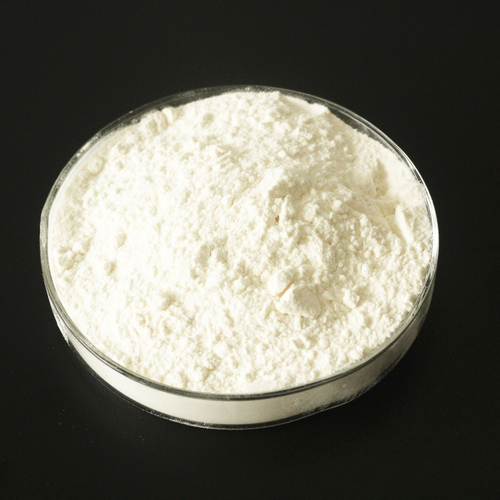
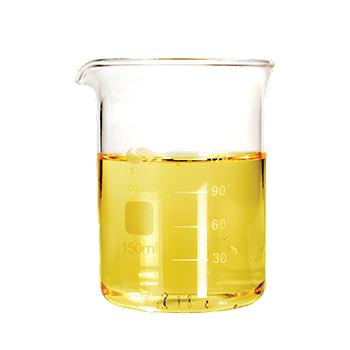
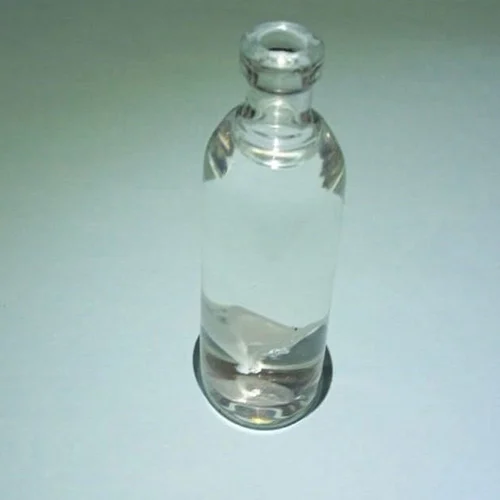
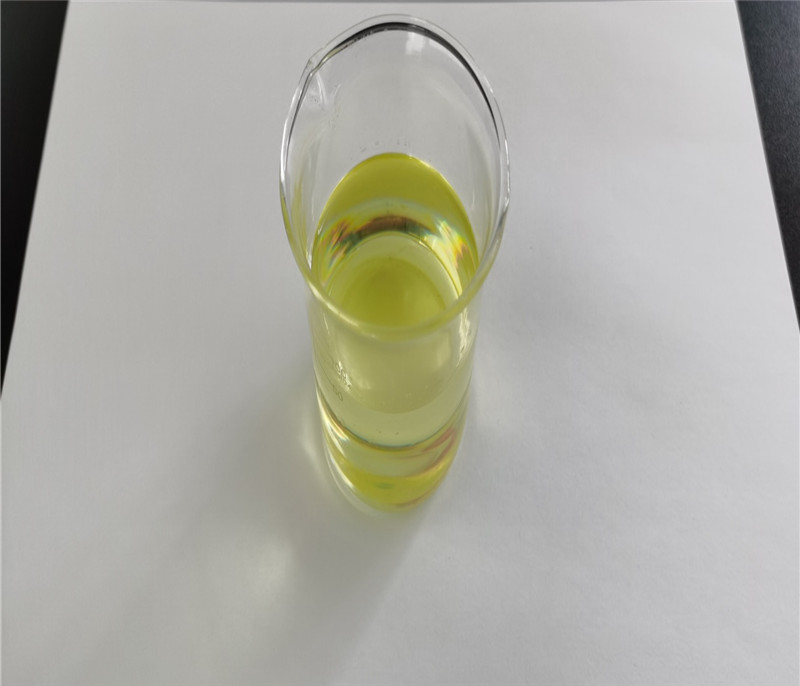
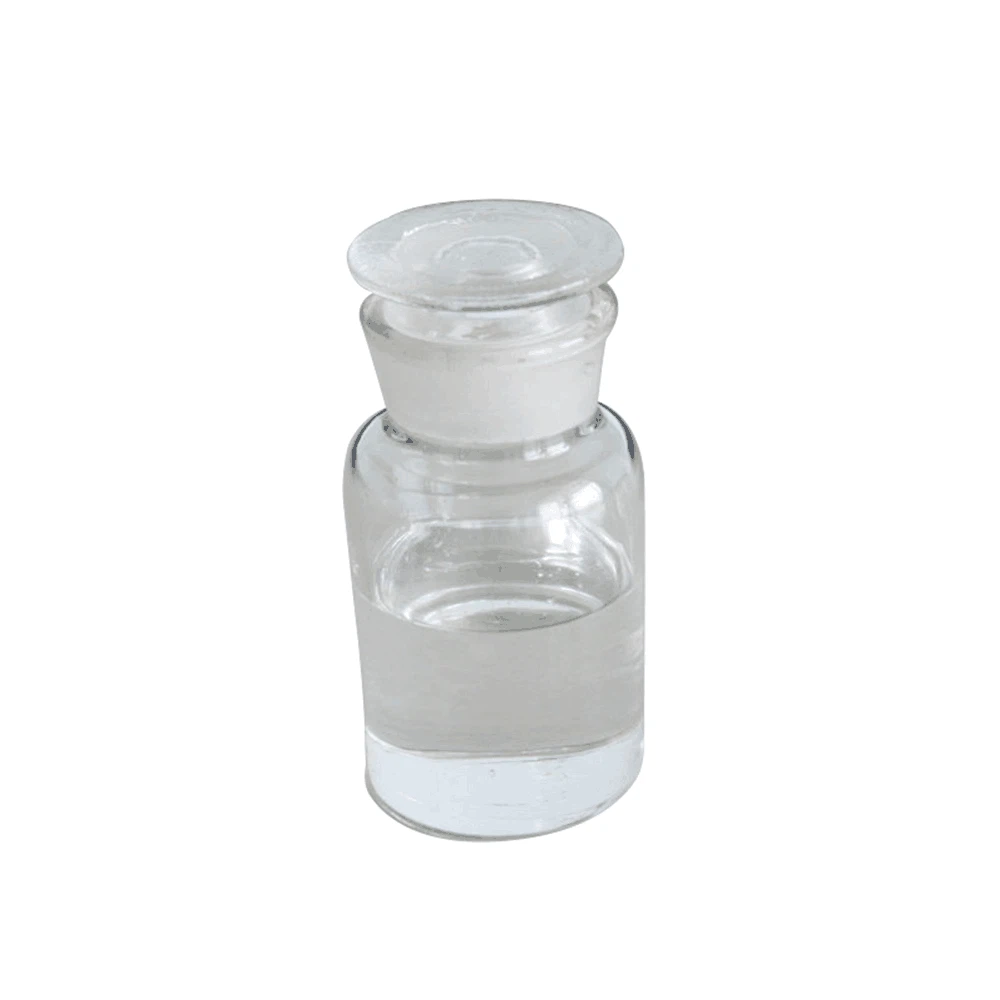
3-Methoxyphenol is typically a colorless to slightly yellow liquid or a low-melting-point solid with a characteristic phenolic odor. Key properties include:
- Solubility: Soluble in organic solvents like ethanol, ether, and chloroform, and slightly soluble in water.
- Reactivity: The presence of both the hydroxyl and methoxy groups allows for diverse chemical reactions, including:
- Electrophilic Aromatic Substitution: The benzene ring can be attacked by electrophiles, leading to further substitution reactions.
- Etherification/Esterification: The hydroxyl group can react with alcohols or carboxylic acids to form ethers or esters, respectively.
- Deprotection: The methoxy group can be cleaved under specific conditions, providing a valuable strategy in organic synthesis.
- Acidity: The hydroxyl group makes 3-methoxyphenol weakly acidic, allowing it to form salts with bases.
Applications in Chemical Synthesis:
The unique combination of functional groups in 3-methoxyphenol makes it a valuable starting material in the synthesis of a wide array of compounds, including:
- Pharmaceuticals: 3-Methoxyphenol is utilized as an intermediate in the synthesis of various pharmaceuticals. Its structure can be incorporated into drugs targeting neurological disorders, cardiovascular diseases, and other conditions. The methoxy group can influence the drug’s lipophilicity, affecting its absorption, distribution, metabolism, and excretion (ADME) properties.
- Agrochemicals: It serves as a precursor in the production of herbicides, fungicides, and insecticides. The methoxy group can contribute to the biological activity of these compounds.
- Fragrances and Flavors: The distinctive aroma of 3-methoxyphenol makes it useful as a fragrance component in perfumes and a flavor enhancer in food products. It contributes woody, smoky, or spicy notes to the desired flavor profile.
- Polymers: 3-Methoxyphenol can be used as a monomer or a building block in the synthesis of specific polymers. Its phenolic moiety can be incorporated into resins and other polymeric materials, influencing their properties such as thermal stability, mechanical strength, and chemical resistance.
- Fine Chemicals and Intermediates: It’s a crucial intermediate in the production of various fine chemicals, including dyes, antioxidants, and UV absorbers. Its reactivity makes it a suitable starting point for creating more complex molecules with tailored properties.
Safety Considerations:
While 3-methoxyphenol is a valuable chemical building block, it’s essential to handle it with care. Like other phenols, it can be irritating to the skin, eyes, and respiratory system. Proper personal protective equipment (PPE), such as gloves, safety glasses, and a laboratory coat, should be worn when handling this compound. Adequate ventilation is also crucial to prevent inhalation of vapors.
Conclusion:
3-Methoxyphenol is a versatile and indispensable chemical compound with a wide range of applications. Its unique structure and chemical properties make it an excellent building block for synthesizing pharmaceuticals, agrochemicals, fragrances, polymers, and other fine chemicals. As research continues to uncover new applications for this valuable compound, its importance in chemical synthesis is poised to grow even further. By understanding its properties and reactivity, chemists can leverage 3-methoxyphenol to create innovative solutions in diverse fields.


Reviews
There are no reviews yet.