
Description
Overview of 3-Aminopropyltriethoxysilane (APTES)
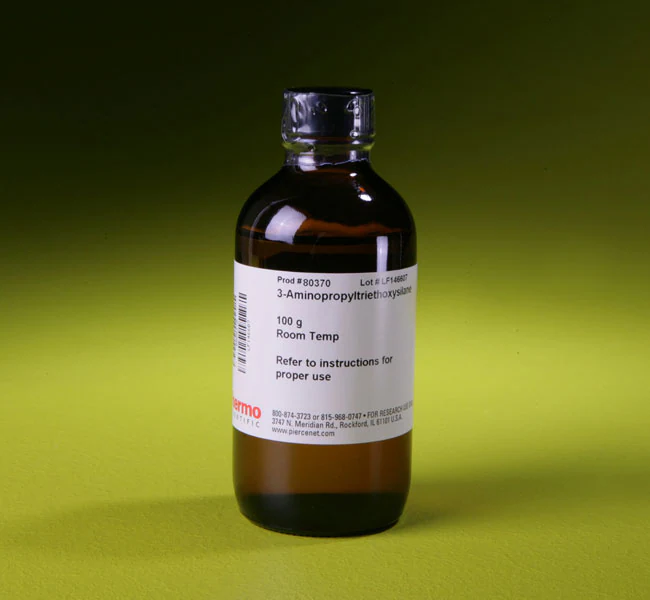
APTES is a silane coupling agent that contains a propylamine group. It is widely used to introduce amino functionality onto inorganic surfaces or polymers, enabling further chemical modification or bioconjugation.
- Common names: 3-Aminopropyltriethoxysilane, APTES, N-(3-aminopropyl)triethoxysilane
- Chemical formula: C9H23NO3Si
- Structure in brief: A silicon atom bonded to three ethoxy groups (–OEt) and one propylamine chain (–(CH2)3–NH2)
Key properties (typical)
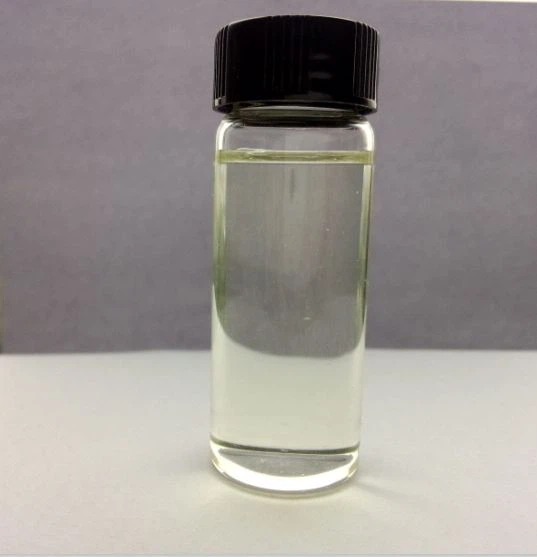
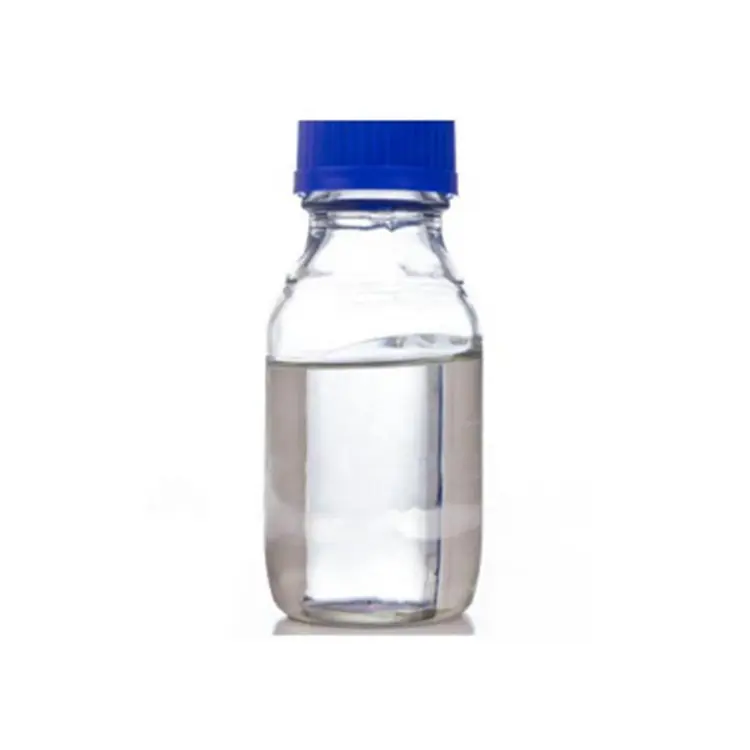
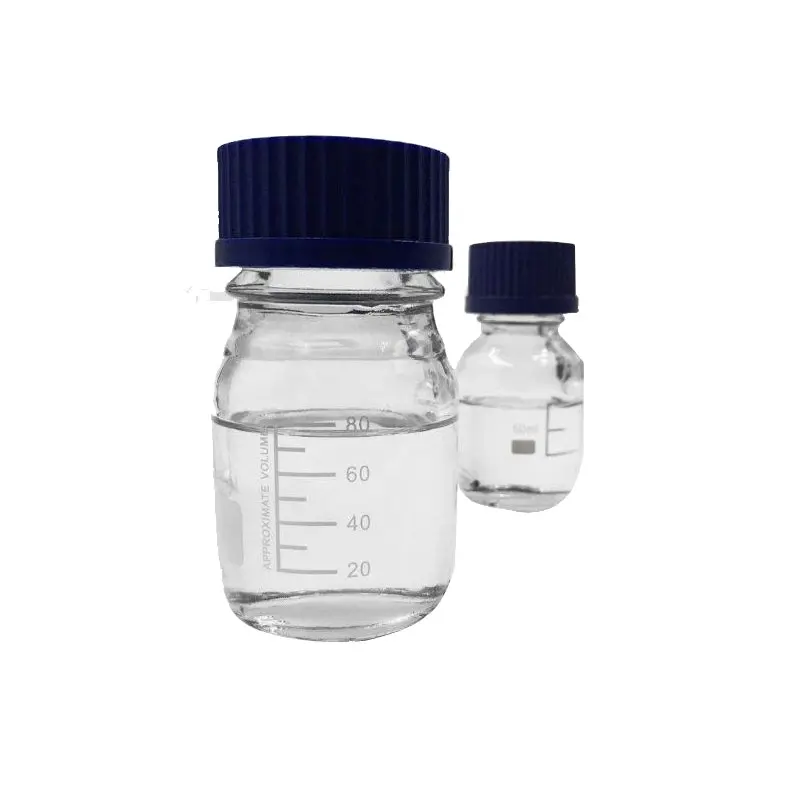
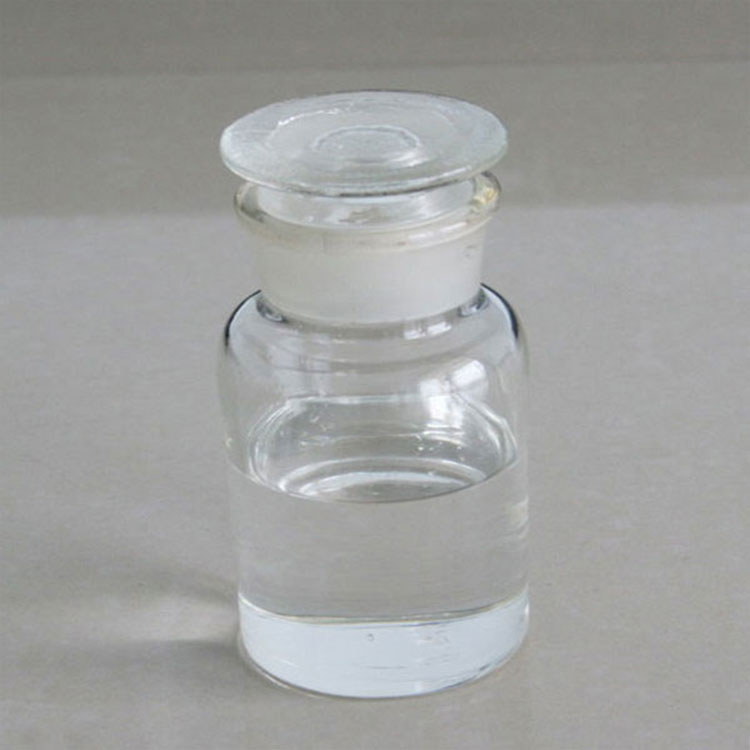
- Physical state: Colorless to pale yellow liquid
- Reactivity: Hydrolyzes in the presence of moisture to form silanols and ethanol; can subsequently form siloxane networks (Si–O–Si)
- Compatibility: Often used in organic solvents (toluene, ethanol, isopropanol) for controlled silanization
- Stability: Moisture-sensitive; tends to polymerize if improperly stored or exposed to moisture without inhibitors
Note: Exact values (density, boiling point, flash point) can vary with grade and purity. For precise numbers, consult the material safety data sheet (SDS) from the supplier.
Common uses and applications
- Surface modification and coupling: Attach amino functionality to silica, glass, metal oxides, or polymer surfaces to enable further chemistry (e.g., bioconjugation, grafting, or crosslinking).
- Biomaterials and sensors: Facilitate immobilization of biomolecules (proteins, peptides) on solid supports; create functionalized surfaces for biosensors.
- Polymer and composite chemistry: Act as a compatibilizer between inorganic fillers (e.g., silica) and organic polymers; enable crosslinking or bonding through the amine group.
- Nanoparticle functionalization: Graft amino groups onto silica or silica-based nanoparticles for downstream conjugation.
Handling and safety (general guidelines)
- Hazards: Typically classified as an irritant to skin, eyes, and respiratory tract. Flammable liquid; reacts with moisture to release ethanol.
- Personal protective equipment (PPE): Safety goggles, gloves resistant to organics, and work in a well-ventilated area or fume hood.
- Storage: Dry, tightly closed containers; store away from moisture and heat. Use inhibitors if the product will be exposed to air for extended periods.
- First aid: If contact with skin or eyes occurs, rinse thoroughly with water and seek medical advice if irritation persists. If inhaled, move to fresh air.
Practical tips for use
- Moisture control: Silanization is sensitive to ambient moisture. Work under dry or controlled humidity conditions as needed.
- Solvent choice: Common solvents include anhydrous toluene or ethanol. Some protocols use water or mildly acidic conditions to promote controlled hydrolysis before reacting with the surface.
- Surface preparation: Clean and activate the surface (e.g., glass or silica) prior to silanization for better grafting efficiency.
- Curing: After silanization, curing temperatures (often 80–110°C, depending on setup) can help form stable Si–O–Si linkages.
Example application: Silanizing glass to introduce amino groups
- Clean and activate glass surface
- Expose to a solution of APTES in an appropriate solvent under controlled humidity
- Rinse to remove physisorbed material
- Cure to promote siloxane network formation
- The surface can then be used for peptide or protein immobilization via amine chemistry
Quick takeaway
- APTES is a versatile amino-functional silane used to graft amino groups onto inorganic and organic surfaces, enabling a wide range of further chemical modifications. Handle under dry conditions, follow safety guidelines, and tailor solvent and humidity to your specific silanization protocol.
If you’d like, I can pull together a concise setup for a specific surface (e.g., silica beads, glass slides, or a polymer substrate) or help locate an exact SDS or product data sheet from a supplier.


Reviews
There are no reviews yet.