

Description
2-Ethylhexyl Nitrate: The Quiet Catalyst for Enhanced Diesel Performance
In the complex world of modern fuels, countless additives work behind the scenes to optimize performance, reduce emissions, and extend engine life. Among these, 2-Ethylhexyl Nitrate (2-EHN) stands out as a crucial but often unsung hero, particularly in the realm of diesel fuel. While its name may sound purely scientific, its impact on the efficiency and environmental footprint of diesel engines is profound.
What is 2-Ethylhexyl Nitrate?
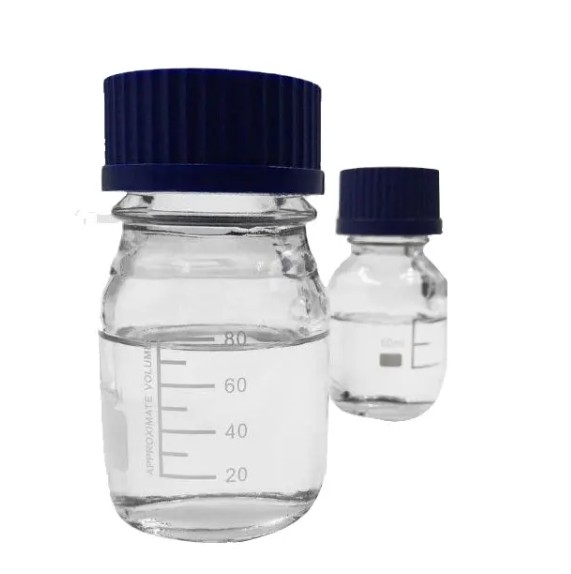
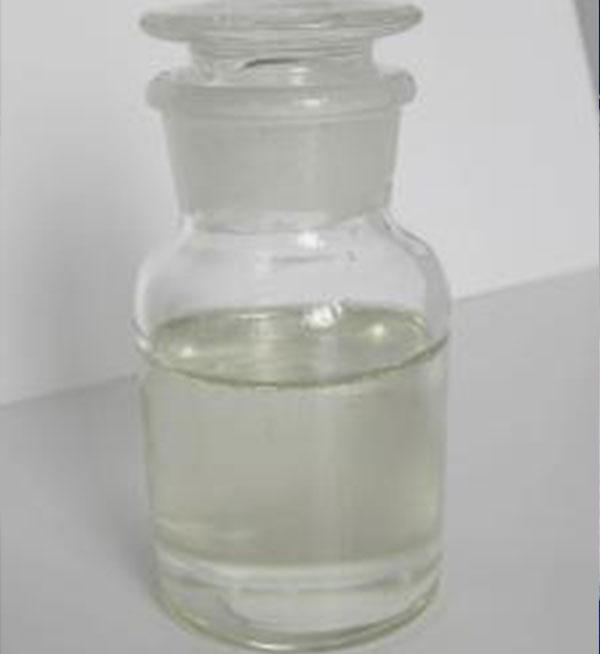
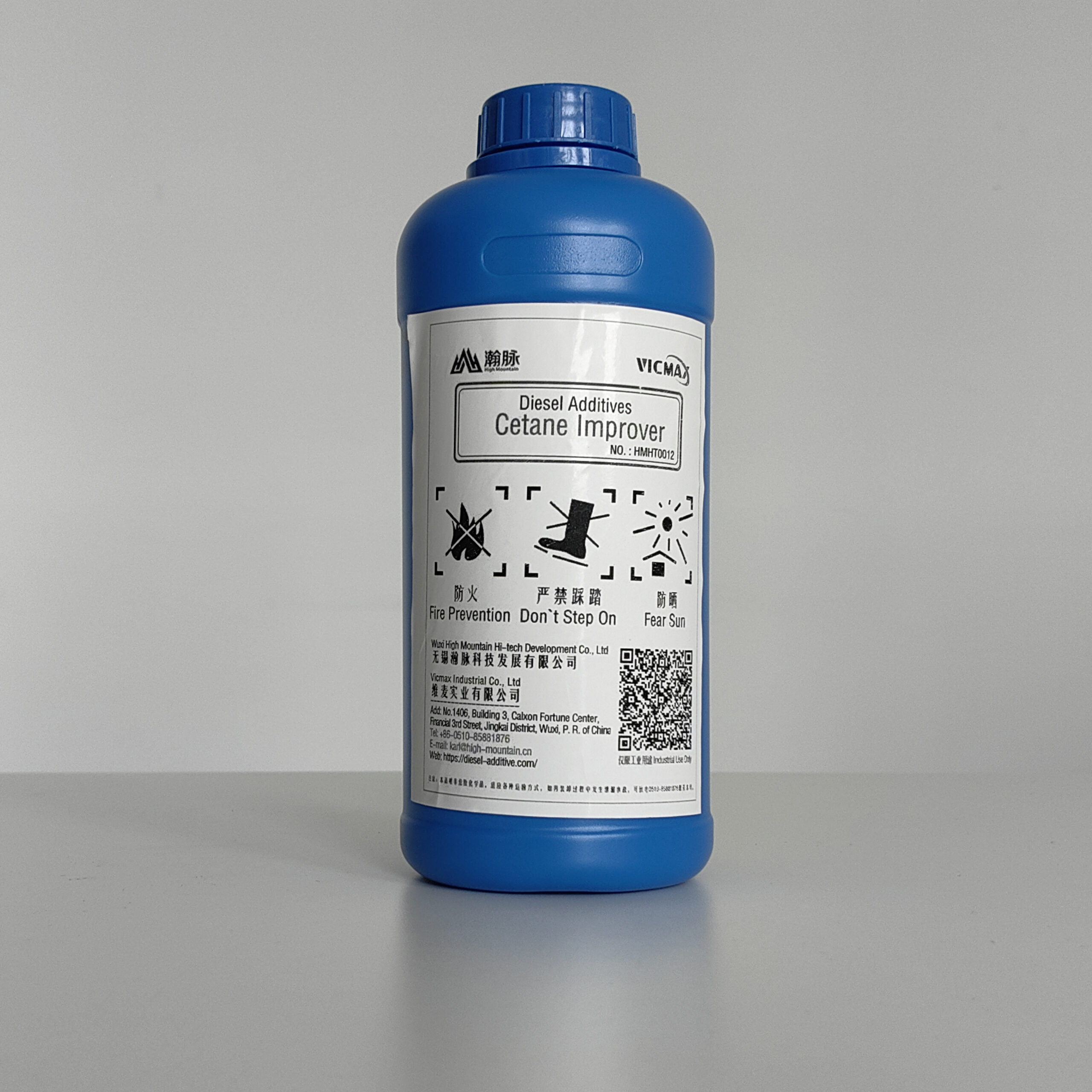
2-Ethylhexyl Nitrate, commonly abbreviated as 2-EHN, is an organic chemical compound belonging to the class of alkyl nitrates. It is a clear, colorless to pale yellow liquid with a distinct odor. Its primary role in the fuel industry is as a cetane improver for diesel.
The Science Behind the Performance Boost
To understand 2-EHN’s importance, one must first grasp the concept of cetane number. Just as gasoline engines rely on octane number as a measure of a fuel’s resistance to “knocking” (premature ignition), diesel engines rely on cetane number to indicate the fuel’s ignition quality.
- High Cetane Number: Fuel with a high cetane number ignites quickly and smoothly under the high compression and temperature inside a diesel engine cylinder. This leads to a shorter “ignition delay” – the time between fuel injection and the start of combustion.
- Low Cetane Number: Fuel with a low cetane number experiences a longer ignition delay, causing a buildup of fuel in the cylinder before ignition. When it eventually ignites, the result can be a rapid, uncontrolled pressure rise known as “diesel knock,” similar to pre-ignition in a gasoline engine.
This is where 2-EHN comes in. When added to diesel fuel, 2-EHN acts as an ignition accelerator. Its molecular structure allows it to decompose readily under the heat and pressure of compression, releasing active radicals that catalyze the rapid oxidation of the fuel. This effectively reduces the ignition delay and, consequently, increases the fuel’s effective cetane number.
Why is a Higher Cetane Number Important?
The benefits of using 2-EHN to boost diesel’s cetane number are far-reaching:
- Improved Cold Starting: Engines with higher cetane fuels start more easily, especially in cold weather, reducing strain on the battery and starter motor.
- Reduced Engine Noise and Vibration: Smoother, more controlled combustion minimizes the harsh “diesel knock,” leading to a quieter and more comfortable ride.
- Lower Emissions: More complete combustion translates to reduced emissions of harmful pollutants, including:
- Particulate Matter (PM): Soot and black smoke are significantly reduced.
- Nitrogen Oxides (NOx): While complex, optimized combustion can contribute to a better NOx profile.
- Carbon Monoxide (CO) and Unburned Hydrocarbons (UHC): More efficient burning minimizes these.
- Enhanced Fuel Economy: Improved combustion efficiency means more power is extracted from each drop of fuel, potentially leading to better mileage.
- Increased Engine Durability: The reduction in diesel knock and smoother pressure rise within the cylinders lessens mechanical stress on engine components, potentially extending engine life.
- Flexibility in Blending: 2-EHN allows refiners to meet specific cetane requirements using a wider range of crude oil sources and can help optimize the performance of blended fuels, including those containing biodiesels.
Safety and Handling Considerations
As with any industrial chemical, 2-EHN must be handled with care. It is a combustible liquid and an irritant to skin and eyes. Proper personal protective equipment (PPE) such as gloves, safety glasses, and appropriate ventilation are essential during handling. Storage should be in well-ventilated areas away from ignition sources. Its environmental impact is also a consideration, and proper disposal and spill containment procedures must be followed in accordance with regulatory guidelines. Material Safety Data Sheets (MSDS) or Safety Data Sheets (SDS) provide comprehensive safety information.
The Future of Diesel and 2-EHN
Despite the global shift towards electrification, diesel engines continue to play a vital role in heavy-duty transportation, agriculture, construction, and power generation. As emission standards become increasingly stringent worldwide (e.g., Euro VI, EPA Tier 4), the need for highly efficient and clean-burning diesel fuel remains paramount.
2-Ethylhexyl Nitrate will likely continue to be an indispensable additive for ensuring modern diesel engines operate at their peak, contributing to cleaner air and more sustainable energy use for years to come. Its quiet work behind the scenes ensures that the powerful pulse of the diesel engine continues to drive industries forward with greater efficiency and a lighter environmental touch.



Reviews
There are no reviews yet.