
Description
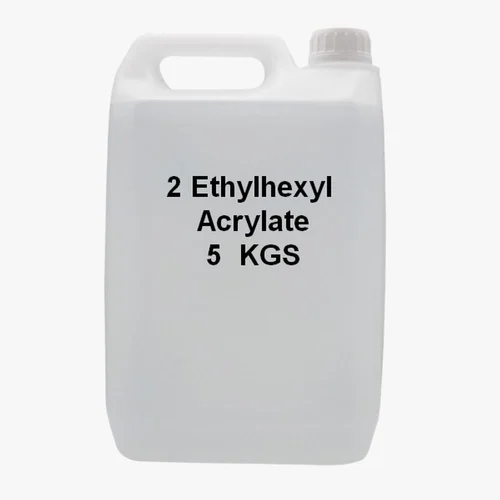
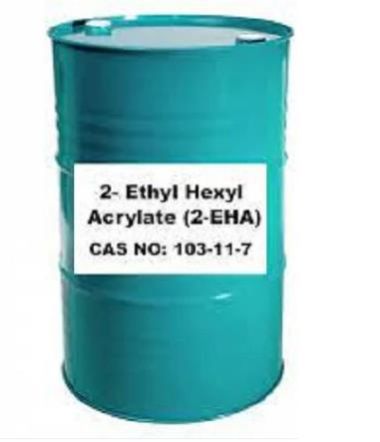
2-Ethylhexyl acrylate (2-EHA)
What it is:
2-Ethylhexyl acrylate is a reactive acrylate monomer used primarily to make polymeric coatings, adhesives, and plastics. It is the ester of acrylic acid with 2-ethylhexanol and polymerizes readily under radical initiation.
Common uses:
- UV-curable coatings and inks
- Adhesives and sealants
- Impact modifiers and specialty polymers
Key properties (general)
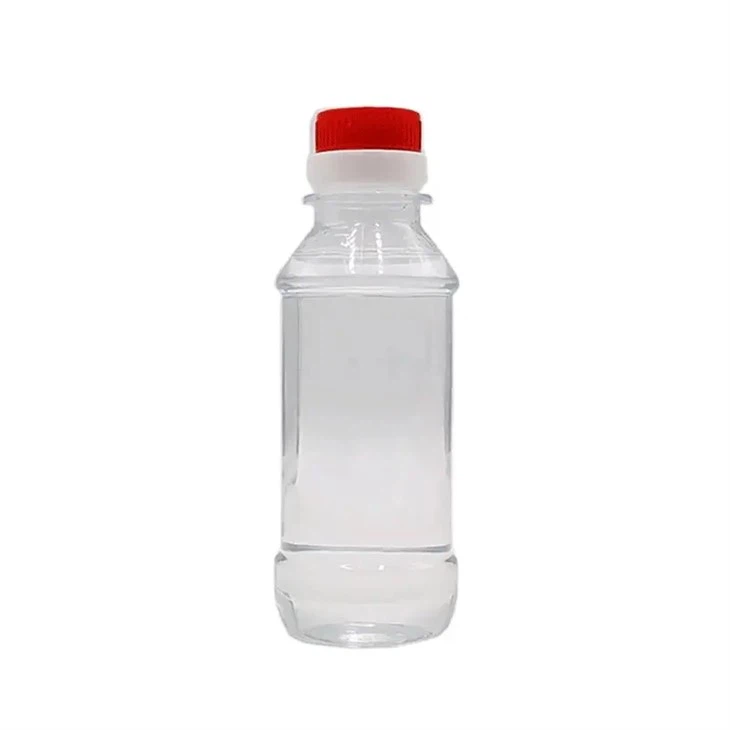
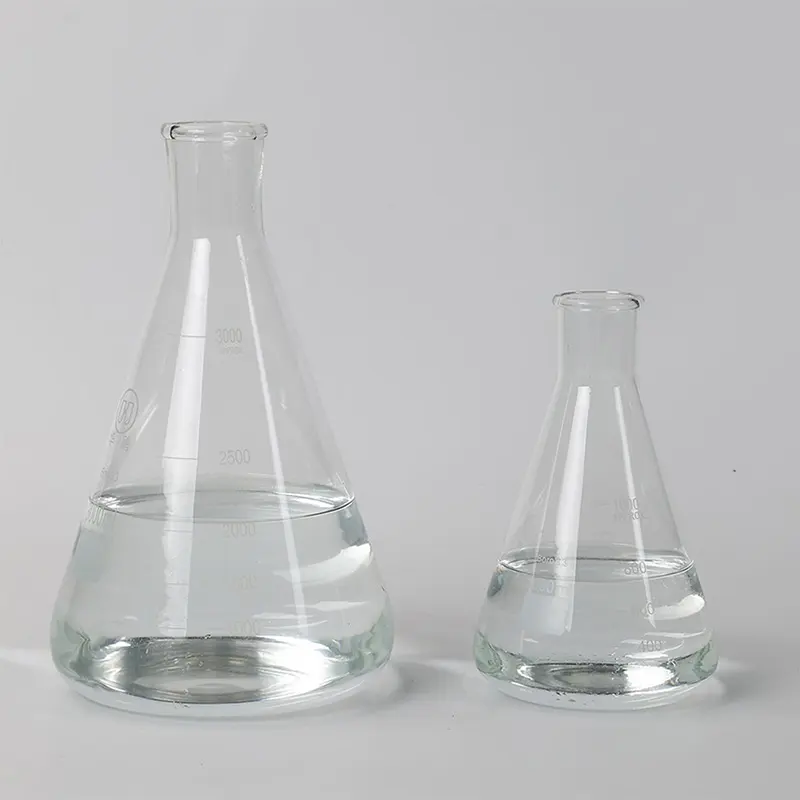
- Appearance: Colorless to pale yellow liquid
- Reactivity: Contains a terminal acrylate double bond; undergoes free-radical polymerization
- Stability: Typically stabilized with inhibitors to prevent premature polymerization during storage
- Solubility: Moderate compatibility with many organic solvents; limited water solubility
- Vapor/odor: May have a characteristic acrylate odor; vapors can form flammable mixtures
Note: Specific physical properties (boiling point, flash point, vapor pressure, etc.) vary by grade and supplier. Always refer to the Safety Data Sheet (SDS) for precise values.
Safety, handling, and storage
- Hazards: Flammable liquid; can be irritating to skin, eyes, and the respiratory tract. Exposure should be minimized.
- Personal protective equipment (PPE): Use chemical-resistant gloves, goggles/face shield, and appropriate lab or work clothing. Use in a well-ventilated area or fume hood.
- Handling tips: Keep away from heat, open flames, and oxidizers. Avoid breathing vapors; avoid skin contact. In case of contact with skin, wash with soap and water.
- Inhibitors: Storage grade often includes inhibitors to prevent polymerization; keep containers sealed and protected from light.
- First aid:
- Inhalation: Move to fresh air; seek medical attention if irritation persists.
- Skin contact: Wash with soap and water; remove contaminated clothing.
- Eye contact: Rinse with water for several minutes and seek medical attention.
- Ingestion: Do not induce vomiting; seek medical attention.
Storage and compatibility
- Storage conditions: Cool, dry, well-ventilated area; away from heat and sources of ignition. Original containers should be kept closed when not in use.
- Compatibility: Avoid contact with strong oxidizers and incompatible materials. Store away from peroxides or materials that may initiate unwanted polymerization.
Environmental and regulatory notes
- May be hazardous to aquatic life with long-lasting effects; use containment and proper waste management.
- Compliance with local, national, and international regulations for hazardous chemicals and polymerizable monomers is required.
- Always consult the latest SDS for specific hazard classifications, exposure limits, and handling instructions.
Quick comparison (monomers similar to 2-EHA)
- Methyl acrylate: Lower molecular weight; more volatile; stronger odor.
- Ethyl acrylate: Similar reactivity; typically used in coatings and adhesives; different odor and volatility.
- Butyl acrylate: Similar functionality with a longer alkyl chain; often provides different flexibility and hardness in polymers.
Want more precise data?
If you need exact figures (flash point, boiling point, vapor pressure, density, LD50, exposure limits, etc.), I can pull the latest SDS or supplier data for the specific grade you’re using. Let me know if you want:
- A summarized safety data sheet (SDS) extract
- A side-by-side comparison with a related monomer
- Guidance on handling during a specific process (e.g., UV-curing formulation)
Summary / Key takeaway:
2-Ethylhexyl acrylate is a versatile, reactive monomer used to impart flexibility in polyacrylates for coatings and adhesives. It is flammable and should be handled with appropriate PPE and ventilation. For exact safety and property values, consult the latest SDS from your supplier.



Reviews
There are no reviews yet.