

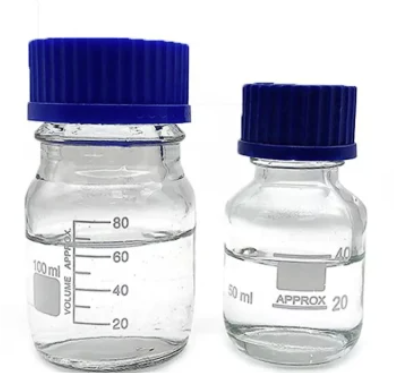
Description
1. Product Overview
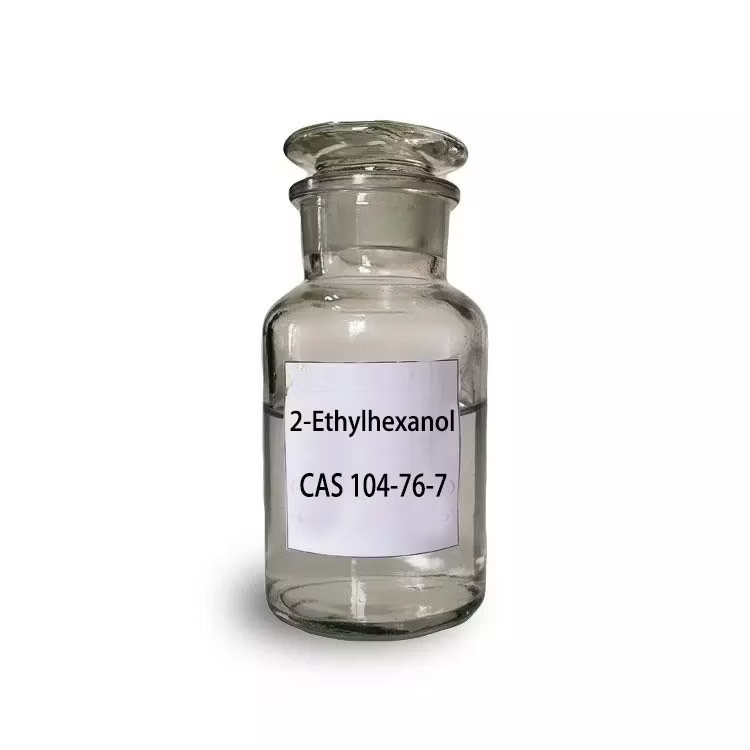
2-Ethylhexanol is a high-performance industrial alcohol widely used as a key intermediate in the production of plasticizers, specialty chemicals, and surface coatings. It offers exceptional chemical stability and versatility, making it essential for large-scale manufacturing processes across diverse sectors. Its strategic importance lies in enabling the production of high-quality phthalate and non-phthalate plasticizers, improving material flexibility, durability, and performance. Globally, 2-Ethylhexanol is recognized for its consistent purity, operational efficiency, and reliability, positioning it as a cornerstone raw material in modern industrial supply chains. For businesses seeking dependable chemical inputs, it represents both a performance-driven and cost-effective solution.
2. Key Specifications & Technical Characteristics
- Chemical Composition: C8H18O (2-Ethylhexanol)
- Purity Level / Grade: ≥ 99% industrial grade
- Physical Characteristics:
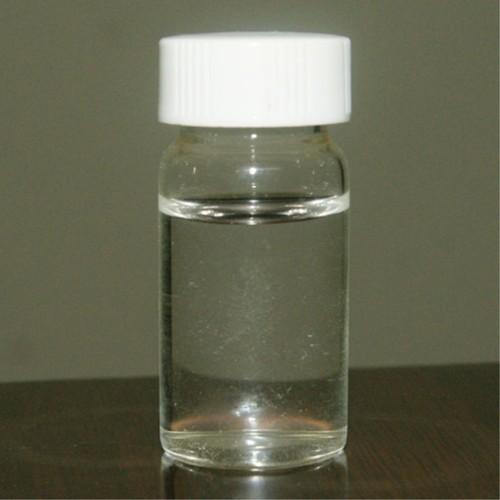
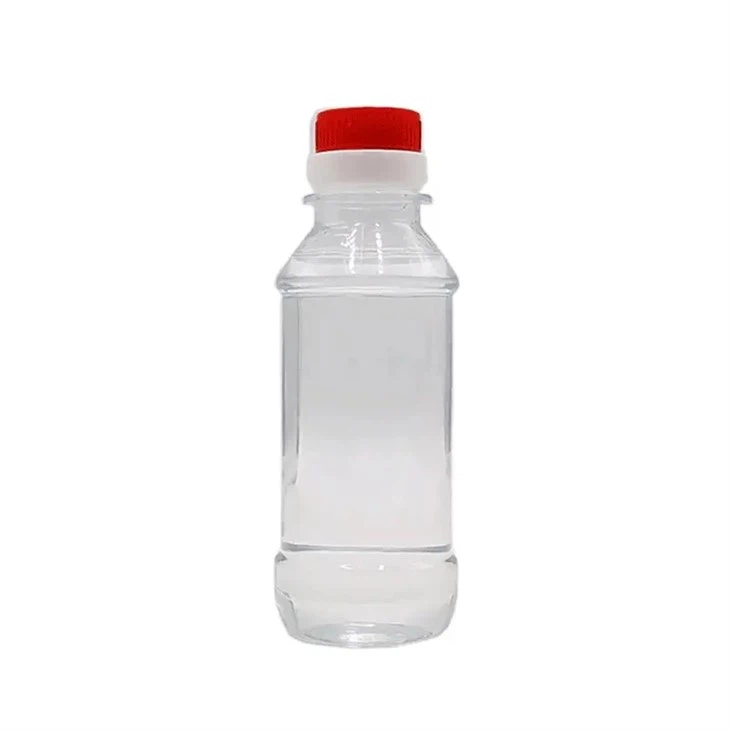
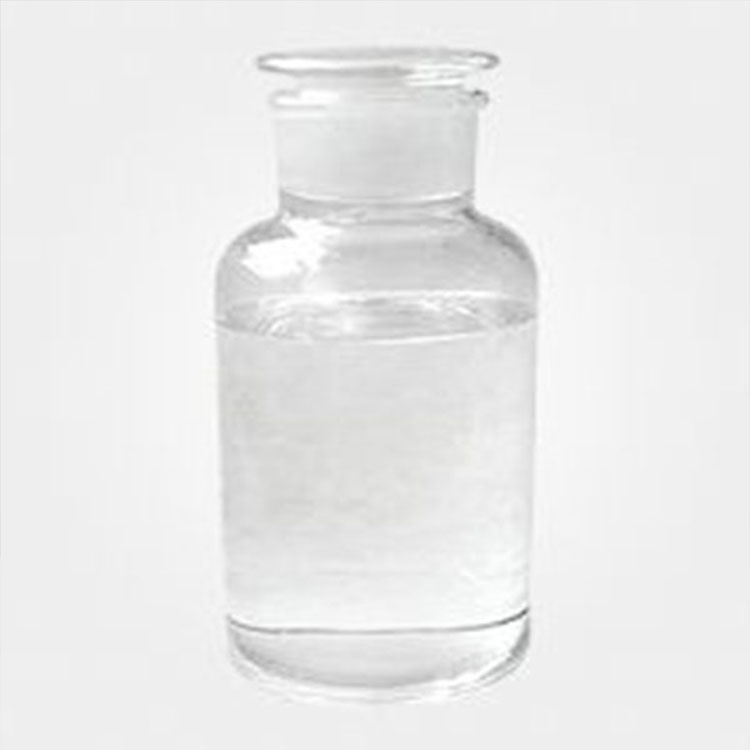
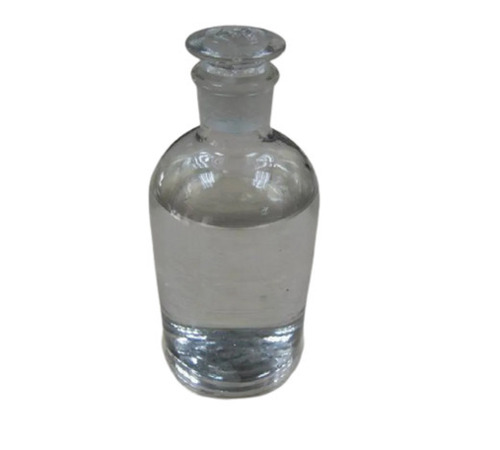
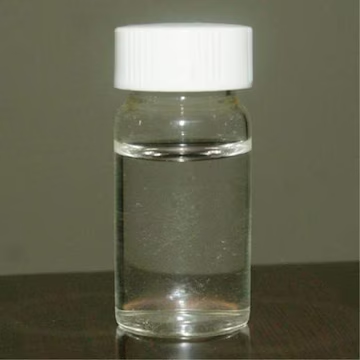
- Form: Clear, colorless liquid
- Density: 0.833 g/cm³ at 20°C
- Boiling Point: 184–186°C
- Flash Point: 93°C (closed cup)
- Packaging Options: 200 kg steel drums, ISO tanks, flexi-tanks
- Shelf Life: 12 months under proper storage conditions, away from heat and direct sunlight
3. Core Industrial Applications
- Plasticizer Manufacturing: Primary feedstock for producing phthalate and non-phthalate plasticizers, enhancing flexibility and durability of PVC products.
- Coatings & Paints: Used in alkyd resins and specialty coatings for improved performance and chemical resistance.
- Adhesives & Sealants: Improves viscosity control and bonding strength in industrial adhesives.
- Chemical Intermediates: Serves as a precursor for esters, solvents, and specialty chemicals.
- Performance Advantages:
- Superior chemical stability compared to alternative alcohols
- High conversion efficiency in esterification processes
- Consistent product quality reduces operational variability and downtime
4. Competitive Advantages
- Quality Consistency: Rigorous industrial-grade production ensures uniform purity and performance.
- Supply Reliability: Strategic global distribution ensures uninterrupted availability for large-scale operations.
- Logistics Capability: Flexible packaging supports both bulk and containerized shipping for global markets.
- Price Competitiveness: Optimized production and sourcing deliver cost-efficient solutions.
- Sustainability & Safety: Compliant with environmental regulations; low-risk handling properties.
- Technical Support: Comprehensive documentation and industrial application guidance provided for seamless integration into manufacturing processes.
5. Commercial & Supply Information
- Minimum Order Quantity (MOQ): BULK 20 MT
- Loading Capacity:
- 20-foot container: ~20 MT in ISO tank
- 200 kg drums: 80–100 drums per 20-foot container



Reviews
There are no reviews yet.