
Description
2-Chloropropionic Acid: A Versatile Building Block in Chemistry
2-Chloropropionic acid, also known as α-chloropropionic acid, is a chlorinated carboxylic acid with the chemical formula CH₃CHClCOOH. It’s a colorless to pale yellow liquid with a pungent odor and serves as a valuable intermediate in organic synthesis. Its reactivity, stemming from the presence of both a carboxylic acid and a chlorine atom, makes it a versatile building block for creating a wide range of compounds.
Key Properties and Characteristics:
- Molecular Formula: CH₃CHClCOOH
- Molar Mass: 108.52 g/mol
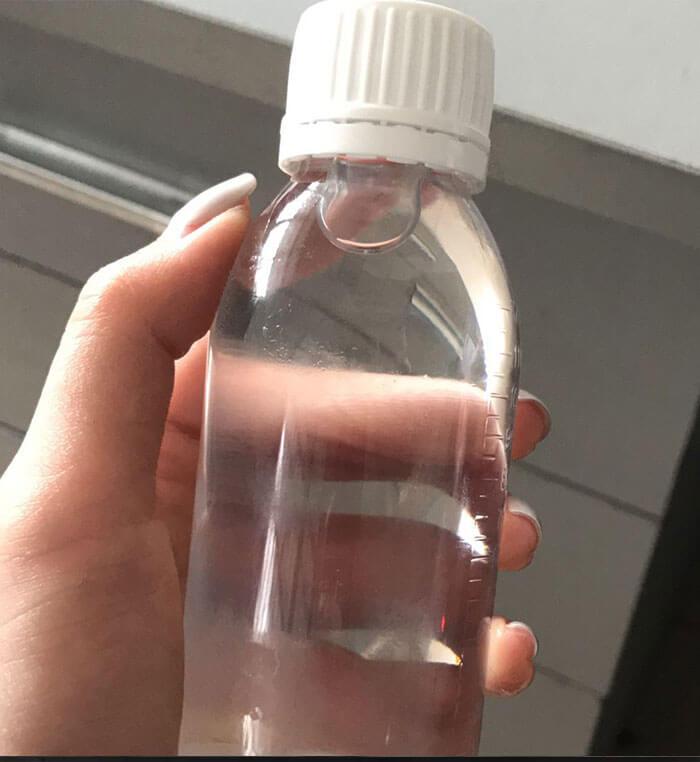
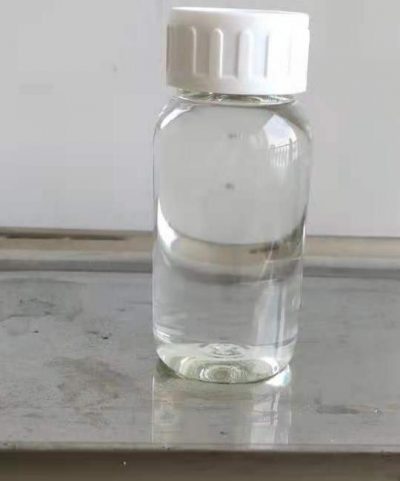
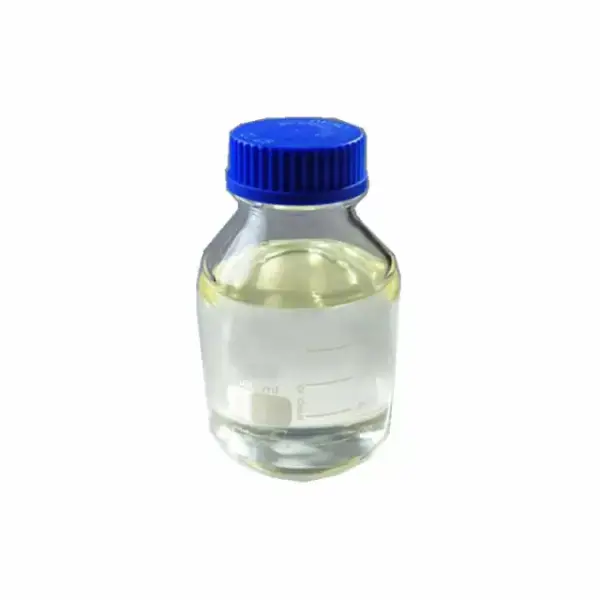
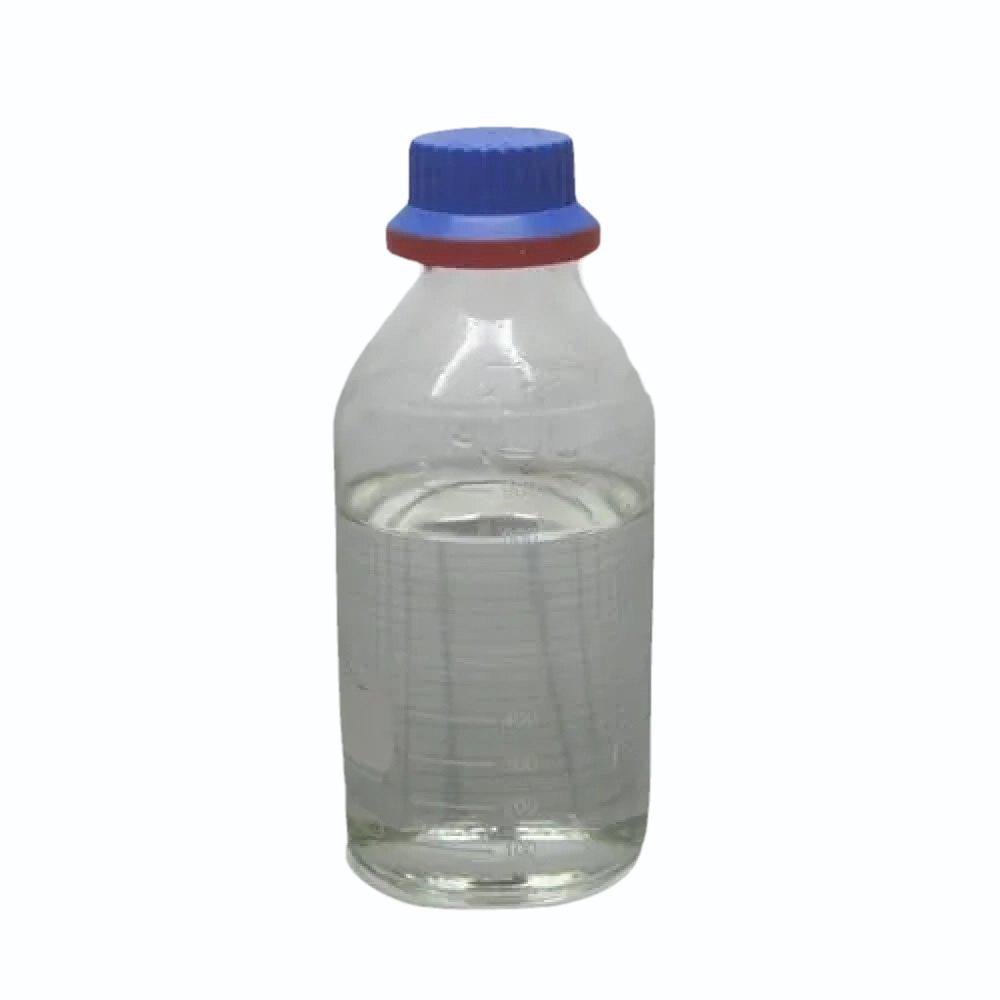
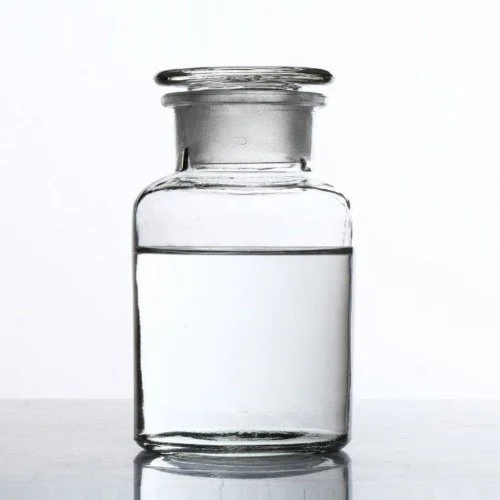
- Appearance: Colorless to pale yellow liquid
- Odor: Pungent, irritating
- Solubility: Soluble in water, alcohols, and ether
- Reactivity: Exhibits reactivity due to the carboxylic acid and chlorine atoms.
Synthesis of 2-Chloropropionic Acid:
Several methods exist for synthesizing 2-chloropropionic acid. A common approach involves the chlorination of propionic acid, often using chlorine gas or sulfuryl chloride as the chlorinating agent. The reaction is typically catalyzed by compounds like red phosphorus or iodine. Another method involves the addition of hypochlorous acid to acrylic acid.
Applications in Chemistry:
The true importance of 2-chloropropionic acid lies in its diverse applications as a chemical intermediate:
- Pharmaceuticals: It’s a key precursor in the synthesis of various pharmaceuticals, including drugs targeting cardiovascular diseases, anti-inflammatory agents, and antibiotics. The chlorine atom can be displaced with nucleophiles to introduce specific functional groups required for drug activity.
- Agrochemicals: 2-Chloropropionic acid is used in the production of herbicides, such as mecoprop (MCPP), which is effective in controlling broadleaf weeds in crops. The chlorine atom allows for selective modification of the molecule to achieve herbicidal activity.
- Dyes and Pigments: It can be incorporated into the structure of dyes and pigments, contributing to their color and properties.
- Chiral Building Block: Because of the chiral center at the second carbon atom (the α-carbon), 2-chloropropionic acid exists as two enantiomers (R and S). Optically pure enantiomers of 2-chloropropionic acid are valuable building blocks in asymmetric synthesis, leading to the creation of chiral molecules with specific biological activities.
- Polymer Chemistry: It can be used as a monomer or comonomer in the synthesis of specialized polymers with unique properties.
Reactions and Reactivity:
The reactivity of 2-chloropropionic acid is driven by the presence of both the carboxylic acid group and the chlorine atom. Key reactions include:
- Nucleophilic substitution: The chlorine atom can be readily substituted by nucleophiles such as amines, alcohols, or hydroxide ions, leading to the formation of amino acids, esters, and hydroxy acids, respectively.
- Esterification: The carboxylic acid group can be esterified using alcohols in the presence of an acid catalyst.
- Amide formation: The carboxylic acid group can react with amines to form amides.
- Reduction: Reduction of the carboxylic acid group can lead to the formation of propanol.
Safety Considerations:
2-Chloropropionic acid is corrosive and can cause severe skin burns and eye damage. Exposure to its vapors can irritate the respiratory tract. Proper personal protective equipment (PPE), including gloves, eye protection, and respiratory protection, should be worn when handling this compound. It should be used in a well-ventilated area.
Conclusion:
2-Chloropropionic acid is a valuable and versatile chemical intermediate that plays a crucial role in the synthesis of a wide range of products, including pharmaceuticals, agrochemicals, and various other specialty chemicals. Its reactivity and the ability to create chiral molecules make it an indispensable tool for synthetic chemists. However, it’s crucial to handle it with care, adhering to proper safety protocols due to its corrosive nature. Its continued use highlights its importance in the chemical industry and its contribution to various advancements in different fields.

Reviews
There are no reviews yet.