

Description
2-Amino-2-methyl-1-propanol (AMP): The Unsung Hero of Modern Chemistry
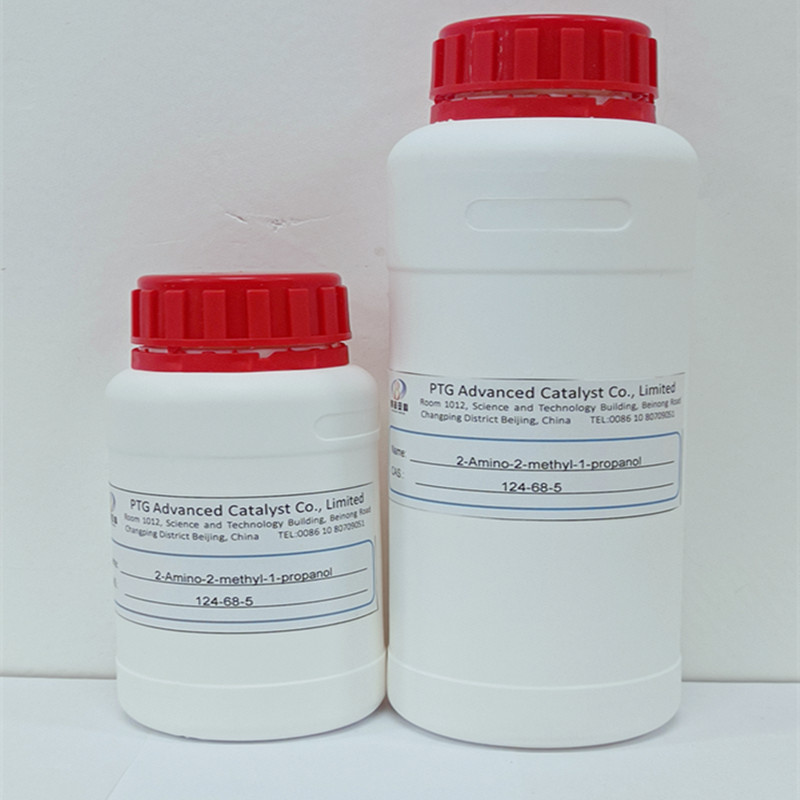
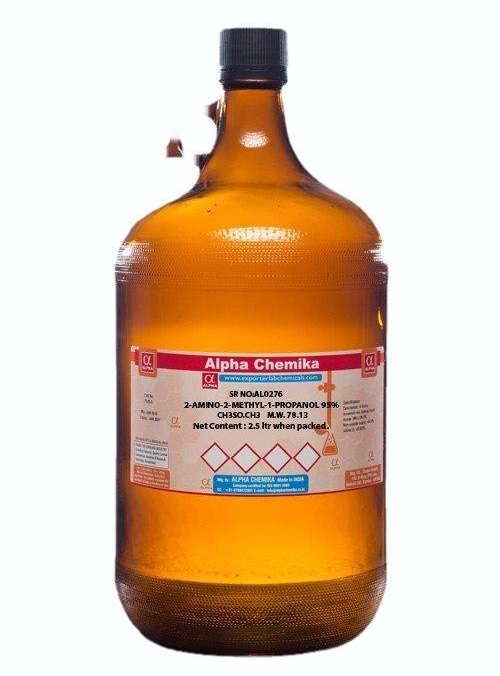
In the vast landscape of industrial chemicals, some compounds work tirelessly behind the scenes, playing crucial roles in the products we use every day without ever truly gaining public recognition. One such unsung hero is 2-Amino-2-methyl-1-propanol, more commonly known by its acronym, AMP.
It’s vital to clarify from the outset: this AMP is entirely distinct from Adenosine Monophosphate, the biological molecule vital for energy transfer within cells. The AMP we’re discussing is a highly versatile synthetic compound, a member of the alkanolamine family, characterized by its unique combination of both an amine (basic) group and an alcohol (hydroxyl) group within its molecular structure.
The Chemical Profile: A Unique Blend
AMP’s full chemical name, 2-Amino-2-methyl-1-propanol, hints at its structure: a propanol (3-carbon alcohol) backbone with an amino group and two methyl groups attached to the second carbon. This specific arrangement gives AMP its remarkable properties.
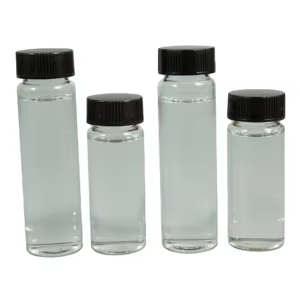
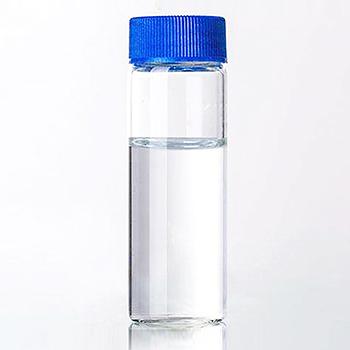
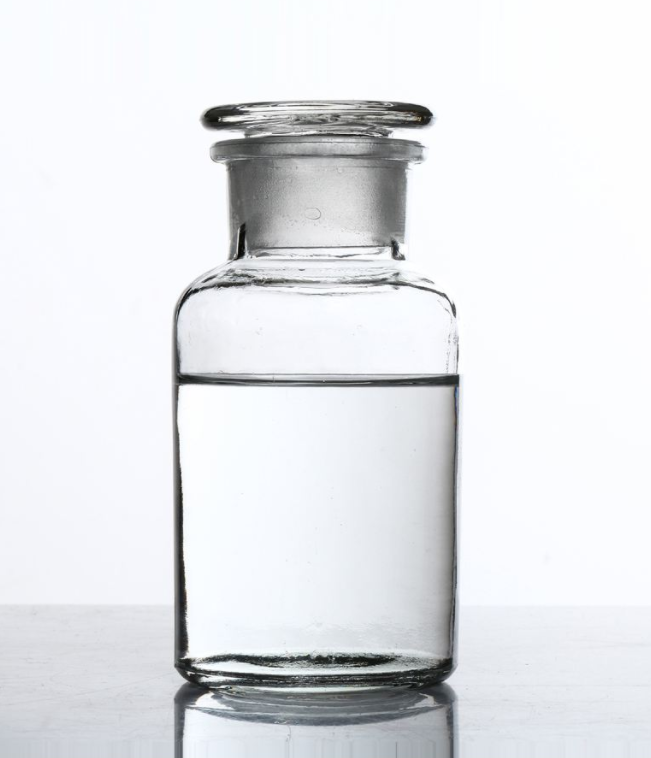
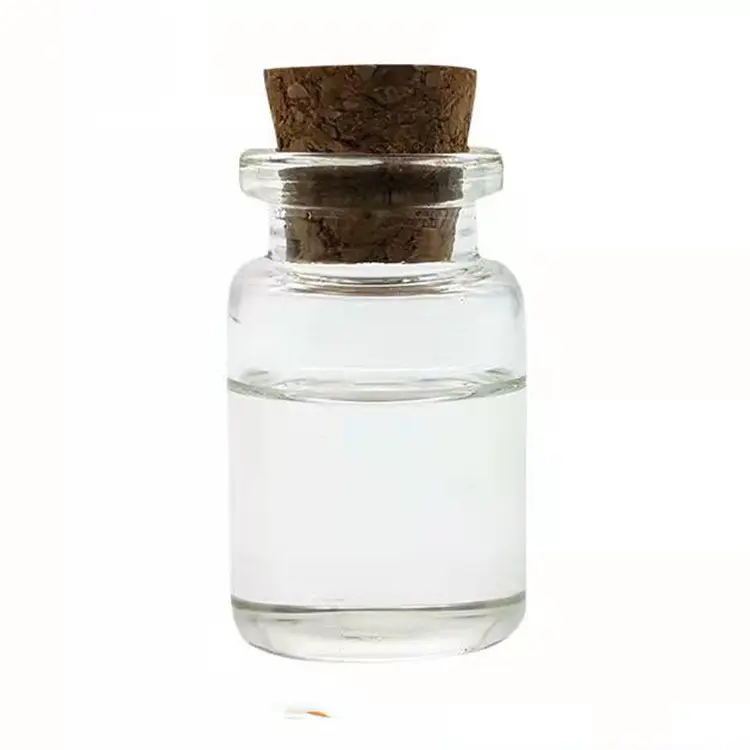
Physically, AMP is typically a clear, colorless liquid with a mild ammoniacal odor, though purer grades are virtually odorless. It is highly soluble in water and various organic solvents, making it adaptable to a wide range of formulations.
Key Properties and Their Mechanisms
The magic of AMP lies in its dual functionality:
- Buffering and pH Adjustment: The amine group (-NH2) on AMP is mildly basic, allowing it to neutralize acids and maintain a stable pH within a solution. This buffering capacity is crucial for product stability, performance, and safety.
- Emulsification and Dispersion: The presence of both polar (hydrophilic) hydroxyl and amine groups, alongside a nonpolar (hydrophobic) carbon chain, makes AMP an excellent emulsifier and dispersant. It helps mix oil and water phases that would normally separate, creating stable emulsions (like lotions) or dispersing solid particles evenly within a liquid (like pigments in paint).
- Corrosion Inhibition: AMP can form a protective film on metal surfaces, particularly in aqueous systems, thereby preventing corrosion.
- Low Volatility and Odor: Compared to simpler amines like ammonia, AMP has a significantly higher boiling point and lower vapor pressure, which translates to reduced odor and emissions in many applications.
Diverse Applications: Where AMP Shines
AMP’s unique properties make it an indispensable ingredient across numerous industries:
- Personal Care and Cosmetics: This is one of AMP’s most significant areas of use. It acts as a pH adjuster in creams, lotions, sunscreens, hair colorants, and other personal care products, ensuring skin compatibility and product stability. Its emulsifying properties help create smooth, consistent textures.
- Paints, Coatings, and Inks: AMP is widely used as a co-dispersant, allowing pigments to be evenly distributed within water-based paints, improving color strength and consistency. It also acts as a pH buffer, maintaining the stability of latex emulsions and preventing flocculation. Furthermore, it contributes to improved film formation and enhanced scrub resistance of the dried coating.
- Metalworking Fluids: In these demanding applications, AMP serves as a crucial pH buffer, extending the lifespan of the fluid and preventing corrosion of machinery and workpieces.
- Water Treatment: AMP can be used as an alkalinity source and pH adjusting agent in boiler water and cooling systems to prevent scale formation and corrosion.
- Adhesives and Sealants: It aids in controlling the curing process and improving the stability and performance of various adhesive formulations.
- Agricultural Chemicals: In some formulations, AMP can enhance the stability and effectiveness of pesticides and herbicides.
- Specialty Cleaning Products: Its basicity and dispersing properties make it useful in certain industrial and household cleaning formulations.
Safety and Environmental Considerations
In its typical concentrations and handling, AMP is generally considered to have a good safety profile. Like most concentrated chemicals, it can be irritating to skin and eyes and requires appropriate personal protective equipment during handling. From an environmental perspective, AMP is readily biodegradable, meaning it breaks down naturally in the environment, reducing its persistence.
Conclusion: An Indispensable Workhorse
2-Amino-2-methyl-1-propanol (AMP) may not be a household name, but its impact on the quality and performance of countless everyday products is profound. From the smooth texture of your favorite lotion to the durable finish on your walls, AMP plays a quiet yet vital role. As industries continue to seek out more efficient, stable, and environmentally conscious chemical solutions, AMP’s unique combination of buffering, emulsifying, and dispersing capabilities ensures its continued status as an essential and versatile workhorse in modern chemistry.


Reviews
There are no reviews yet.