
Description
1,6-Hexanediol: The Versatile Building Block of Modern Industry
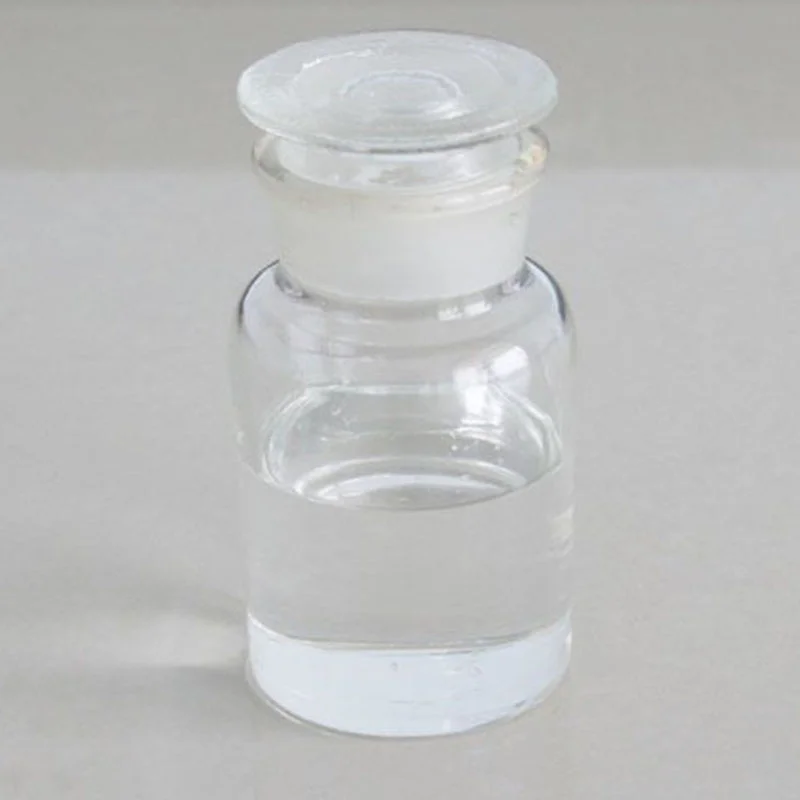
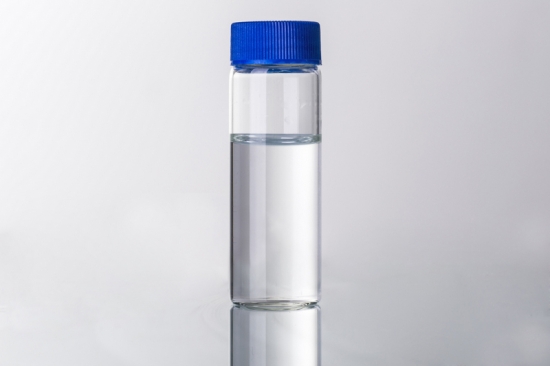
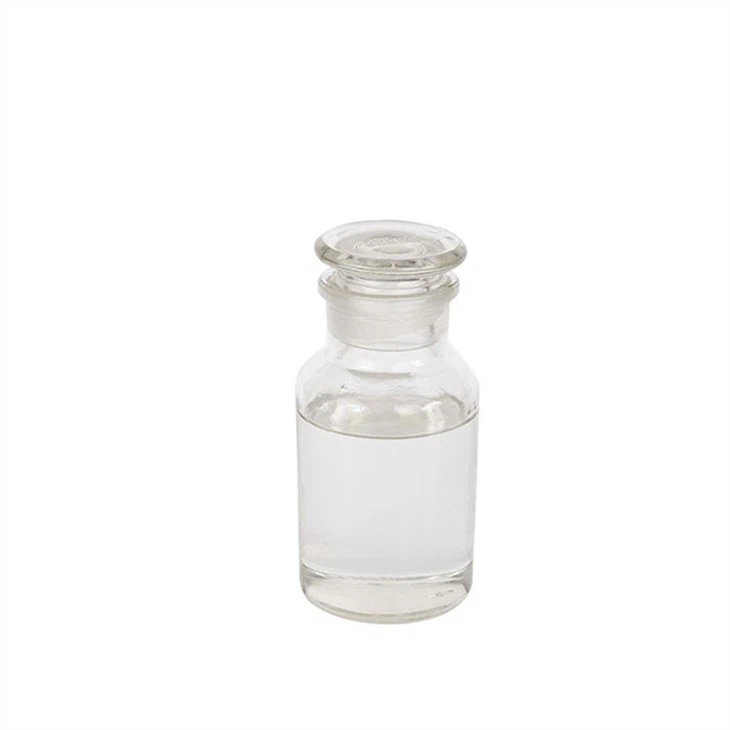
In the vast and often unseen world of industrial chemistry, certain compounds play foundational roles, serving as indispensable building blocks for a myriad of products that touch our daily lives. One such unsung hero is 1,6-Hexanediol (often abbreviated as HDO or HD). A clear, colorless, and odorless liquid, this organic compound might not be a household name, but its unique properties make it a crucial intermediate in the production of everything from high-performance plastics and durable coatings to essential personal care products.
What is 1,6-Hexanediol?
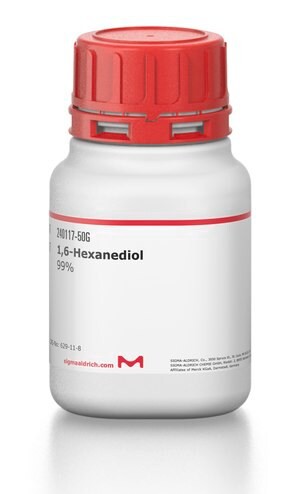
Chemically, 1,6-Hexanediol is a straight-chain aliphatic diol, meaning it’s an alcohol with two hydroxyl (-OH) groups located at positions 1 and 6 of a six-carbon chain. Its chemical formula is HO(CH2)6OH or C6H14O2. This bifunctional nature, with highly reactive primary hydroxyl groups at either end of the molecule, is what grants it exceptional versatility and makes it an ideal monomer or chain extender in various polymerization reactions.
Key Applications and Industries
The versatility of 1,6-Hexanediol allows it to be utilized across a diverse range of industries:
- Polymers and Resins: This is arguably the most significant application.
- Polyurethanes: HDO is widely used in the production of specialty polyurethanes, imparting excellent mechanical properties, flexibility, resistance to hydrolysis, and improved low-temperature performance to foams, coatings, adhesives, and elastomers.
- Polyesters: It serves as a key monomer for the synthesis of saturated and unsaturated polyester resins. These polyesters find use in coatings (e.g., coil coatings, automotive paints), composites, and textile fibers, offering improved flexibility, weatherability, and chemical resistance.
- Polycarbonates: HDO is used in the production of specific types of polycarbonates, providing enhanced toughness and optical clarity.
- Acrylic Resins: In certain acrylic formulations, HDO can improve adhesion and flexibility.
- Coatings and Adhesives: Due to its ability to enhance flexibility, adhesion, and durability, 1,6-Hexanediol is a valuable component in:
- Paints and Varnishes: It improves the flow, leveling, and overall performance of solvent-based and water-borne coatings.
- Adhesives and Sealants: It contributes to the strength, flexibility, and longevity of various adhesive formulations.
- Cosmetics and Personal Care: Its humectant (moisture-retaining) and emollient (skin-softening) properties, combined with its low toxicity and superior clarity, make it an excellent ingredient in:
- Skincare Products: Lotions, creams, and moisturizers.
- Hair Care Products: Shampoos and conditioners.
- Makeup: Foundations and mascaras, where it can also act as a solvent and viscosity modifier.
- It is often preferred over other diols due to its perceived lower irritation potential and excellent sensory feel.
- Specialty Chemicals: Beyond its primary roles, HDO also finds application in:
- Plasticizers: To improve the flexibility and workability of plastics.
- Lubricants: As a component in synthetic lubricants.
- Textile Auxiliaries: In the processing of textiles.
- Pharmaceutical Intermediates: As a building block for more complex molecules.
Benefits and Advantages
The widespread adoption of 1,6-Hexanediol is driven by its compelling set of advantages:
- Bifunctionality: The two primary hydroxyl groups allow for a wide range of chemical reactions, making it highly versatile.
- Linear Structure: Its straight-chain nature contributes to excellent flexibility and low-temperature properties in derived polymers.
- Low Volatility: It has a relatively high boiling point, making it suitable for high-temperature applications.
- Good Solubility: Miscible with water and many organic solvents, facilitating diverse formulations.
- Thermal Stability: It performs well under varying temperature conditions.
- Low Toxicity: Generally considered safe for industrial handling and use in consumer products when handled appropriately.
- Biodegradability: While not instantly biodegradable, it does degrade over time in the environment.
Safety and Environmental Considerations
1,6-Hexanediol is generally considered to have a low hazard profile. It is not classified as a skin sensitizer and is not acutely toxic. However, like any industrial chemical, proper handling procedures, including the use of personal protective equipment, are recommended to avoid direct contact and ensure workplace safety.
From an environmental perspective, there’s increasing interest in the production of bio-based 1,6-Hexanediol, which can be derived from renewable feedstocks rather than petrochemical sources. This aligns with global efforts to reduce carbon footprints and promote more sustainable chemical manufacturing practices.
The Future of 1,6-Hexanediol
As industries continue to demand higher performance, greater durability, and more sustainable solutions, the role of 1,6-Hexanediol is only set to expand. Its ability to impart superior properties to polymers and its increasing availability from bio-based routes position it as a critical chemical for the future. From the protective coatings on our cars to the lotions we use on our skin, 1,6-Hexanediol quietly contributes to the quality and functionality of countless modern products, truly living up to its reputation as a versatile building block of modern industry.



Reviews
There are no reviews yet.