
Description
Beyond the Big Words: Unpacking the Power of 1,3-Dimethyl-2-imidazolidinone
Let’s be honest, the name “1,3-Dimethyl-2-imidazolidinone” sounds like something straight out of a chemistry textbook, or perhaps a spell from a particularly complex fantasy novel. It’s a mouthful, and for most of us, conjures up images of bubbling beakers and intimidating formulas. But behind this chemical moniker lies a surprisingly versatile and valuable compound finding its way into a wide range of applications that touch our everyday lives.
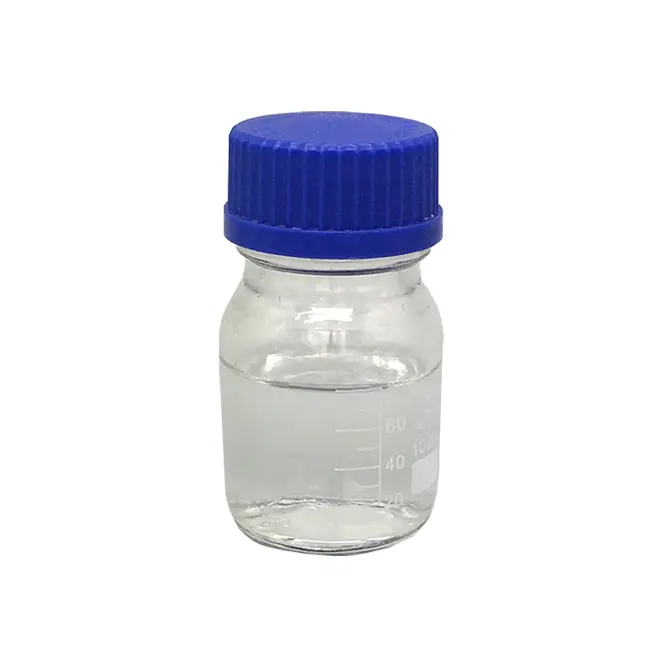
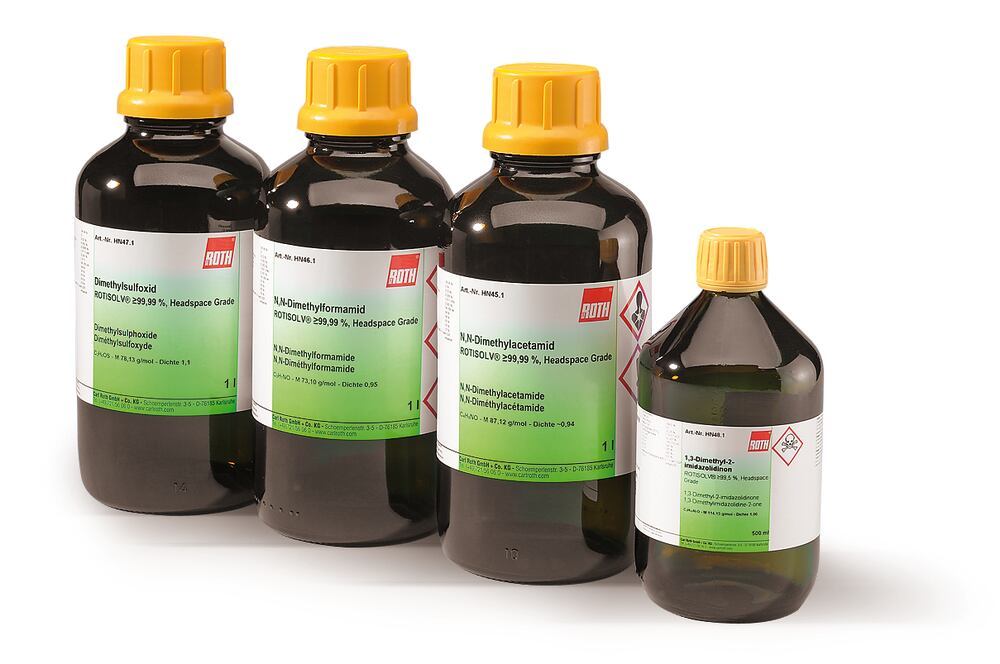
So, what exactly is 1,3-Dimethyl-2-imidazolidinone (often shortened to DMI for ease of pronunciation and sanity)? In essence, it’s a colorless, high-boiling, aprotic solvent. Now, before you glaze over at those technical terms, let’s break down what that means and why it matters.
The “Solvent” Superpower:
Think of a solvent as a substance that can dissolve other substances. Water, for instance, is an excellent solvent for sugar and salt. DMI, however, possesses a special kind of dissolving power.
- Aprotic Nature: This means DMI doesn’t readily donate a proton (a positively charged hydrogen ion). This is a crucial characteristic for many chemical reactions, as it allows other molecules to react more freely without being interfered with by the solvent. Imagine trying to build something intricate – an aprotic solvent is like a clear workspace where all the pieces are accessible.
- Polarity: DMI is also a polar molecule, meaning it has an uneven distribution of electrical charge. This allows it to effectively dissolve a wide range of both polar and non-polar substances, making it incredibly versatile. It’s like a master key that can unlock many different doors.
- High Boiling Point: This is a practical advantage. Because it has a high boiling point (around 220°C or 428°F), DMI doesn’t evaporate easily. This makes it safer to work with, allows for reactions to be carried out at higher temperatures, and reduces solvent loss during industrial processes.
Where Does DMI Shine?
This unique combination of properties makes DMI a sought-after component in numerous industries:
- Electronics Manufacturing: DMI’s ability to dissolve tough resins and polymers makes it ideal for cleaning and stripping processes in the production of semiconductors and printed circuit boards. It helps ensure the precision and reliability of the electronic components we rely on.
- Pharmaceuticals: In the complex world of drug development, DMI serves as a reaction solvent. Its aprotic nature facilitates specific chemical transformations needed to synthesize active pharmaceutical ingredients (APIs), contributing to the creation of life-saving medications.
- Coatings and Paints: DMI can improve the performance of paints and coatings by enhancing their solubility and flow properties. This leads to smoother application, better adhesion, and more durable finishes.
- Agrochemicals: It plays a role in the formulation of pesticides and herbicides, helping to dissolve and stabilize active ingredients, ensuring their effectiveness in protecting crops.
- Polymer Processing: DMI can be used as a solvent for certain polymers, aiding in their processing and the creation of specialized materials.
Beyond the Lab: Safety and Sustainability Considerations
While DMI offers significant advantages, like any chemical, its use is accompanied by important considerations regarding safety and environmental impact. Manufacturers and users adhere to strict safety protocols, including proper handling, ventilation, and disposal. Ongoing research also focuses on developing more sustainable production methods and exploring biodegradable alternatives where feasible.
The Takeaway:
So, the next time you encounter the imposing name “1,3-Dimethyl-2-imidazolidinone,” remember that it’s more than just a chemical formula. It’s a powerful and adaptable tool that quietly contributes to the innovation and functionality of many products we use every day. From the tiny chips in our smartphones to the medicines that keep us healthy, DMI is a testament to the intricate chemistry that underpins our modern world.
What are your thoughts on the unsung chemical heroes in our lives? Share your insights in the comments below!

Reviews
There are no reviews yet.