

Description
1. Product Overview
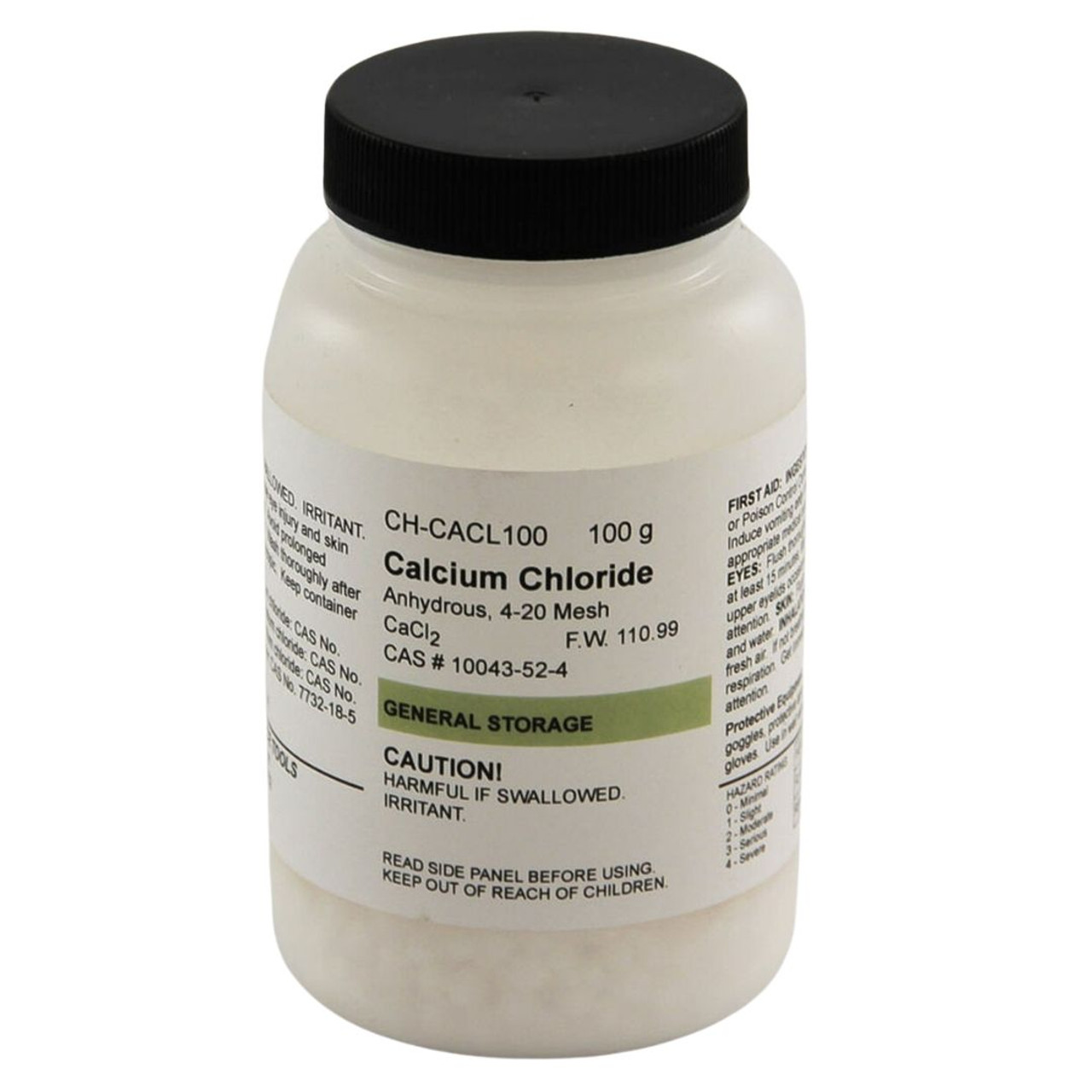
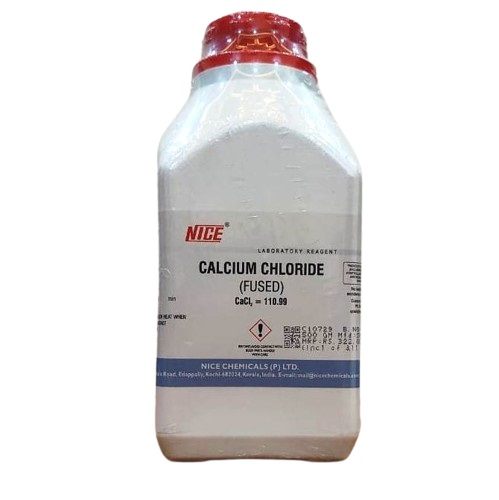
Calcium chloride is a highly versatile inorganic salt widely used across industrial sectors for its hygroscopic, de-icing, and chemical processing properties. Its primary industrial applications include dust control, concrete acceleration, water treatment, and brine formulation. The product offers exceptional solubility, high purity, and consistent performance, making it a preferred choice for large-scale operations. Strategically, calcium chloride is crucial for enhancing operational efficiency, reducing maintenance costs, and ensuring process reliability in demanding industrial environments. Its global availability and adaptability position it as a key commodity for industrial procurement and supply chain optimization.
2. Key Specifications & Technical Characteristics
- Chemical Composition: CaCl₂ (Calcium chloride)
- Purity/Grade: Industrial Grade ≥ 94%
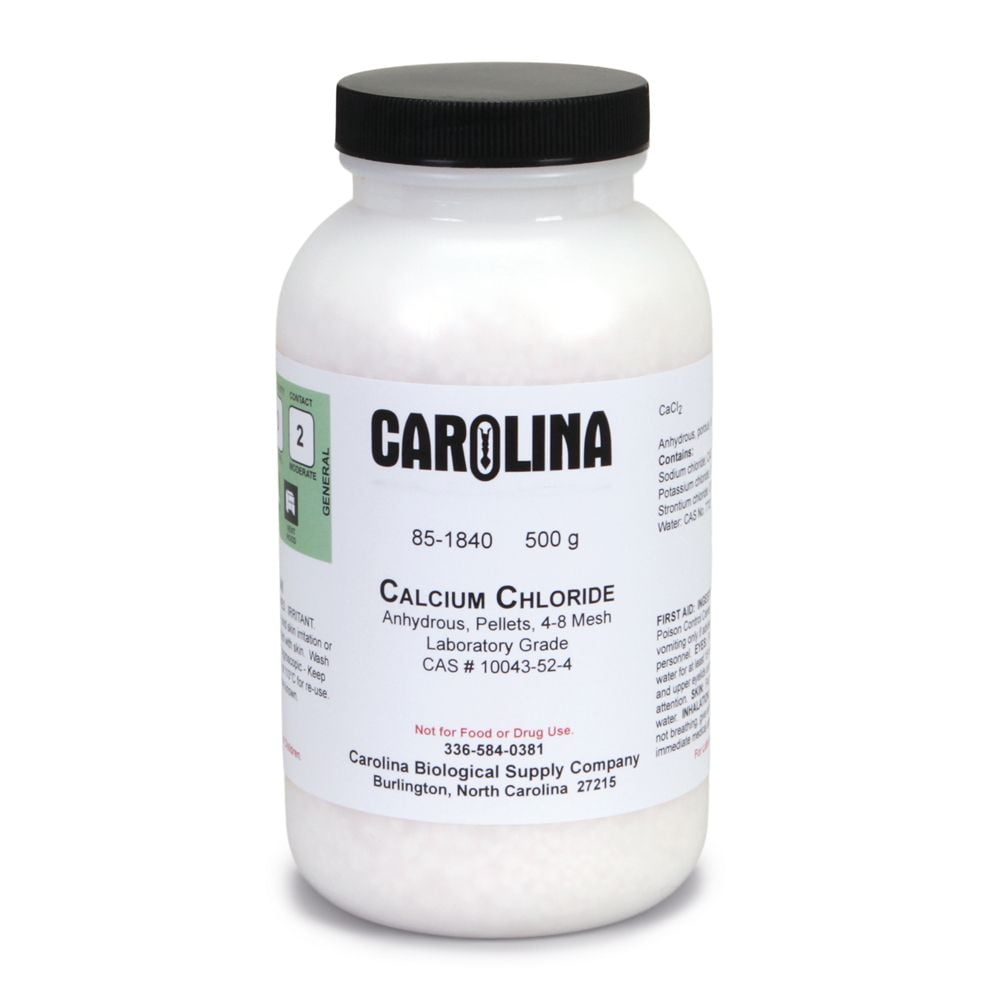
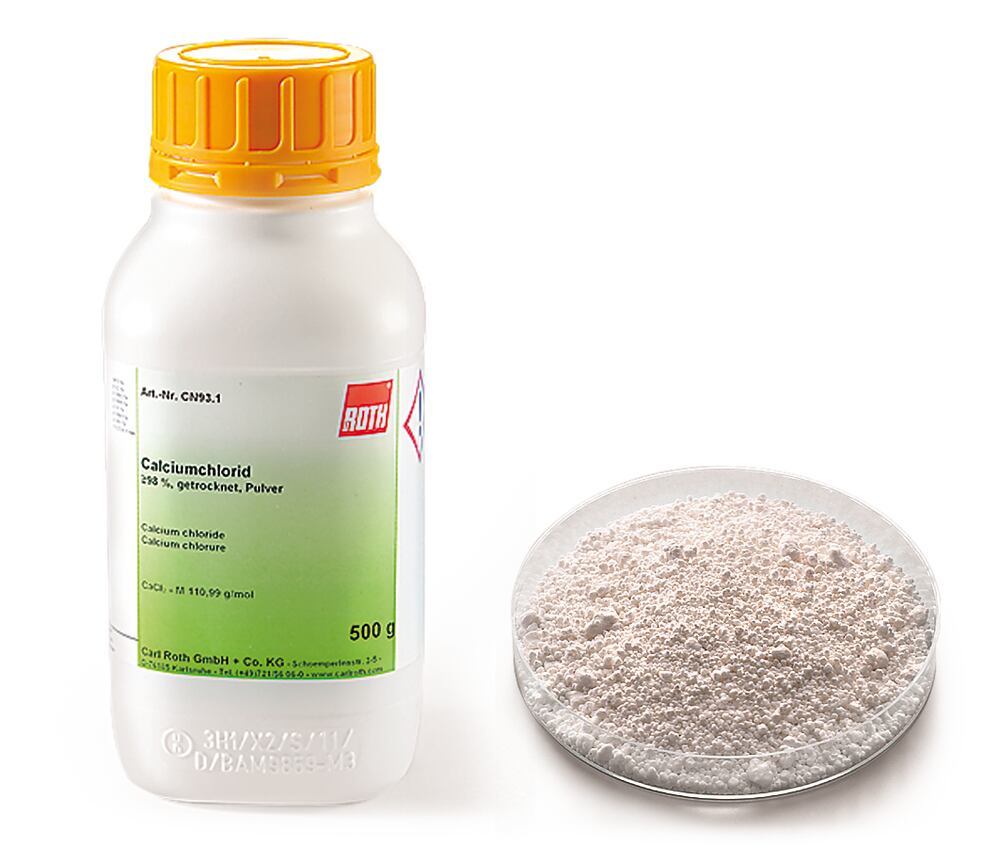
- Physical Form: Flakes, pellets, or powder
- Color: White to off-white
- Particle Size: 3–15 mm (flakes), custom sizes available
- Density: 2.15 g/cm³ (solid)
- Solubility: Highly soluble in water
- Hygroscopic Nature: Absorbs moisture from air efficiently
- Packaging Options: 25 kg, 50 kg bags; jumbo bags available on request
- Shelf Life: Up to 2 years if stored in a dry, sealed environment
3. Core Industrial Applications
- Construction & Concrete Industry: Acts as an accelerator in concrete curing, improving setting times and strength development.
- Oil & Gas / Drilling Operations: Used in brine solutions for well completion and drilling fluids to maintain viscosity and density.
- Water Treatment & Waste Management: Effective in water softening, pH stabilization, and removing impurities.
- Road Maintenance & Dust Control: Applied for de-icing, snow melting, and controlling dust on unpaved roads and mining sites.
- Food & Chemical Processing: Functions as a firming agent and in desiccation processes where high purity is required.
Calcium chloride outperforms alternatives through rapid solubility, superior moisture absorption, and consistent quality under variable operational conditions, providing both cost efficiency and reliability.
4. Competitive Advantages
- Quality Consistency: Rigorous testing ensures batch-to-batch uniformity.
- Supply Reliability: Global sourcing network guarantees uninterrupted availability.
- Logistics Capability: Multiple packaging options and containerized shipping support bulk and project-based deliveries.
- Price Competitiveness: Economical pricing for large-scale industrial procurement.
- Sustainability: Non-toxic, environmentally safe handling, minimal processing emissions.
- Technical Support: Comprehensive documentation and expert guidance available for industrial applications.
5. Commercial & Supply Information
- Minimum Order Quantity (MOQ): 20 MT
- Loading Capacity per Container: 20 MT per 20-foot container
Calcium chloride represents a strategic sourcing choice for industrial buyers seeking a reliable, high-performance, and cost-effective chemical solution.



Reviews
There are no reviews yet.