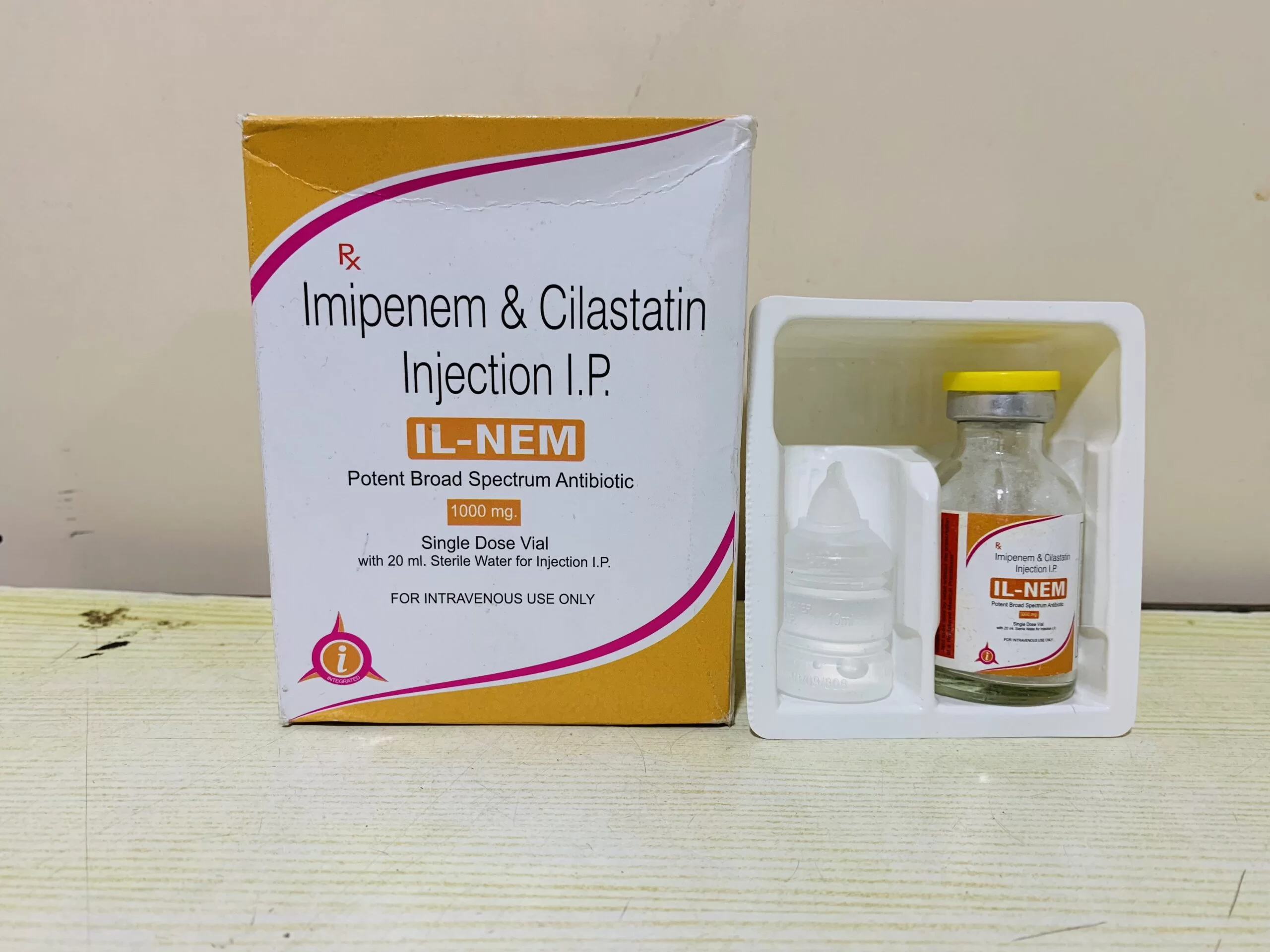
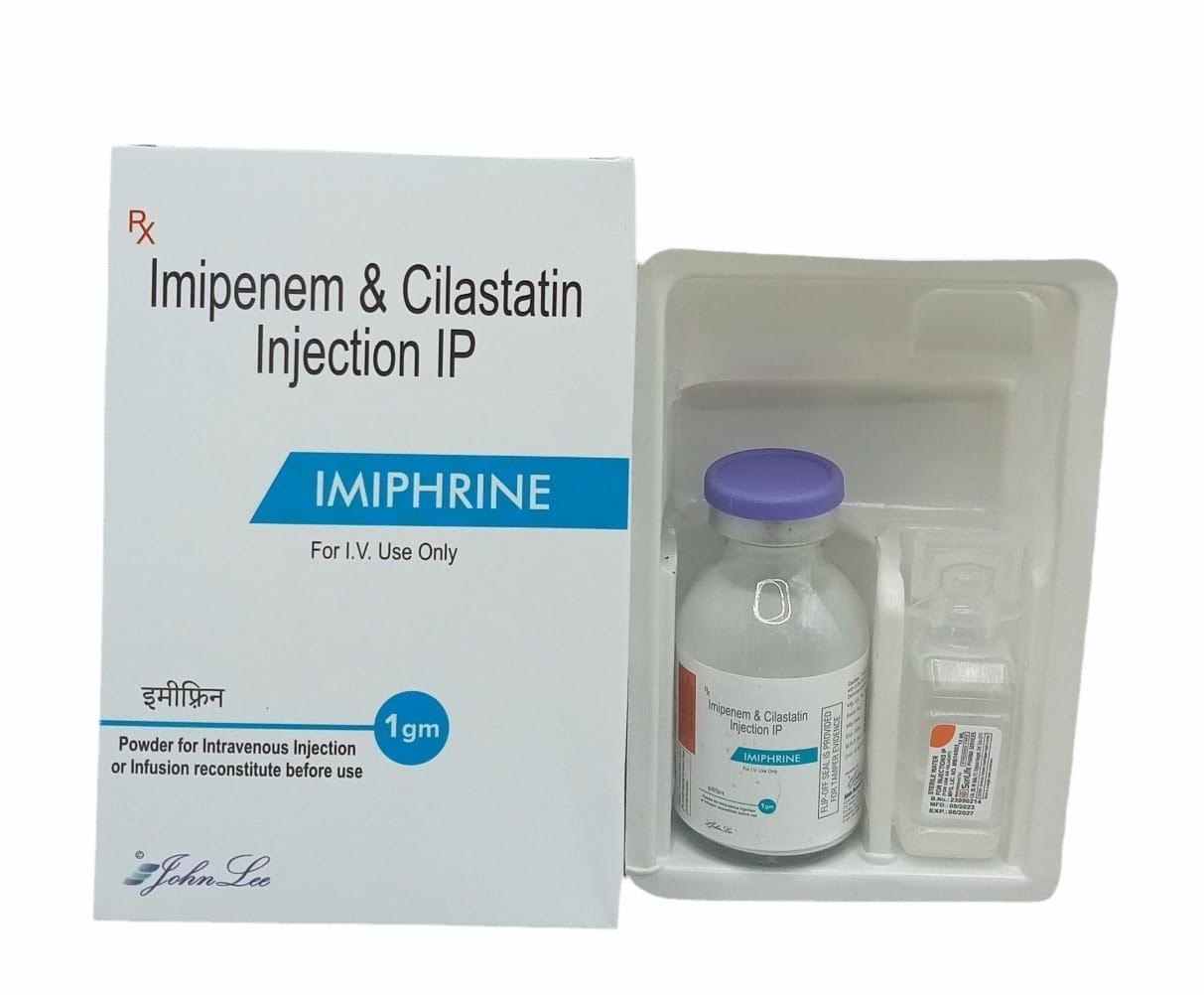
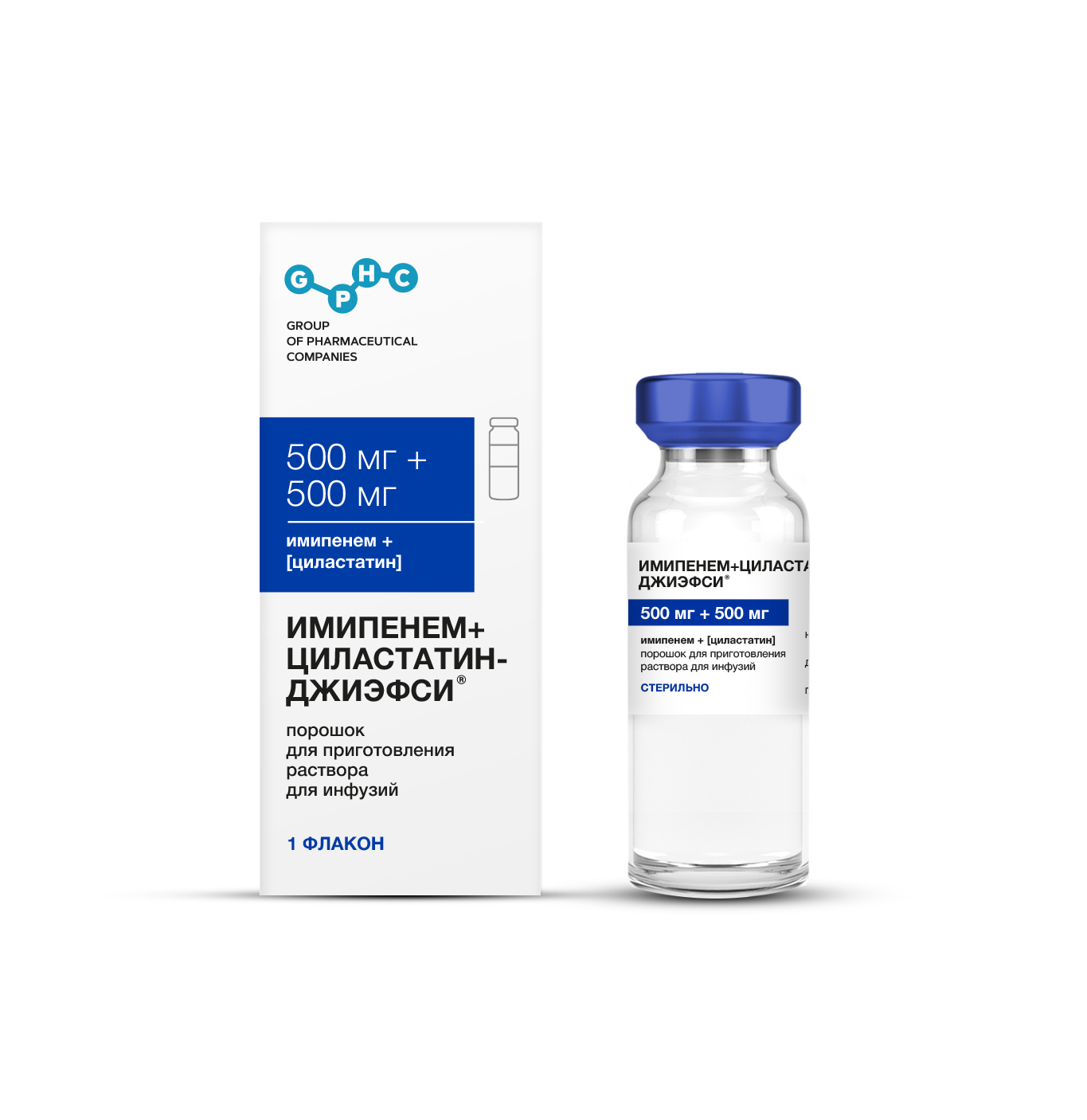
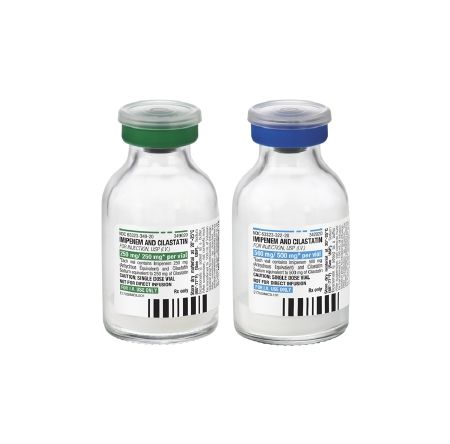
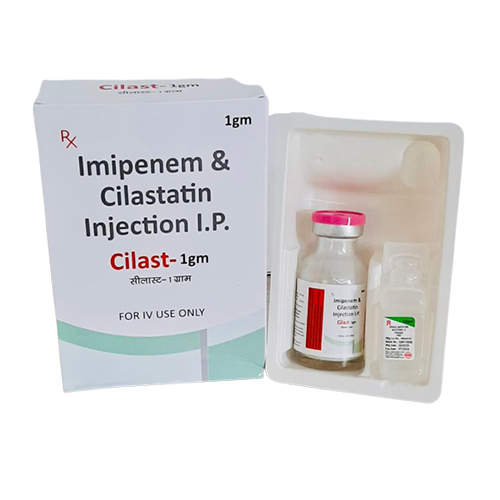
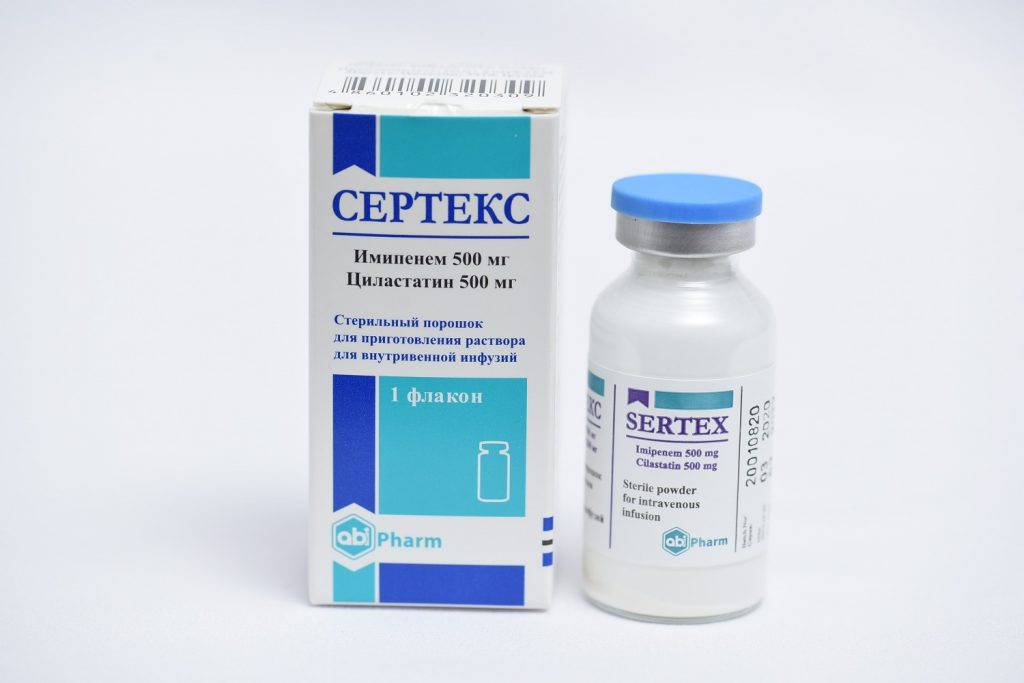
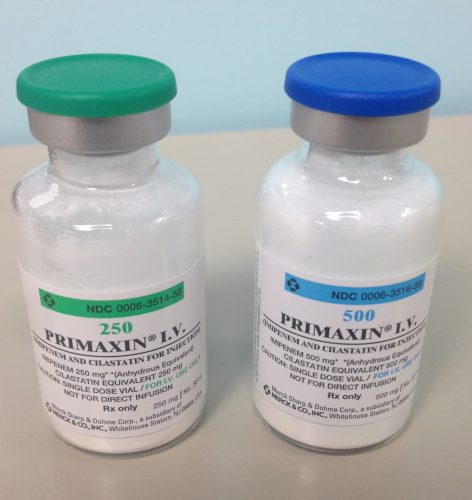
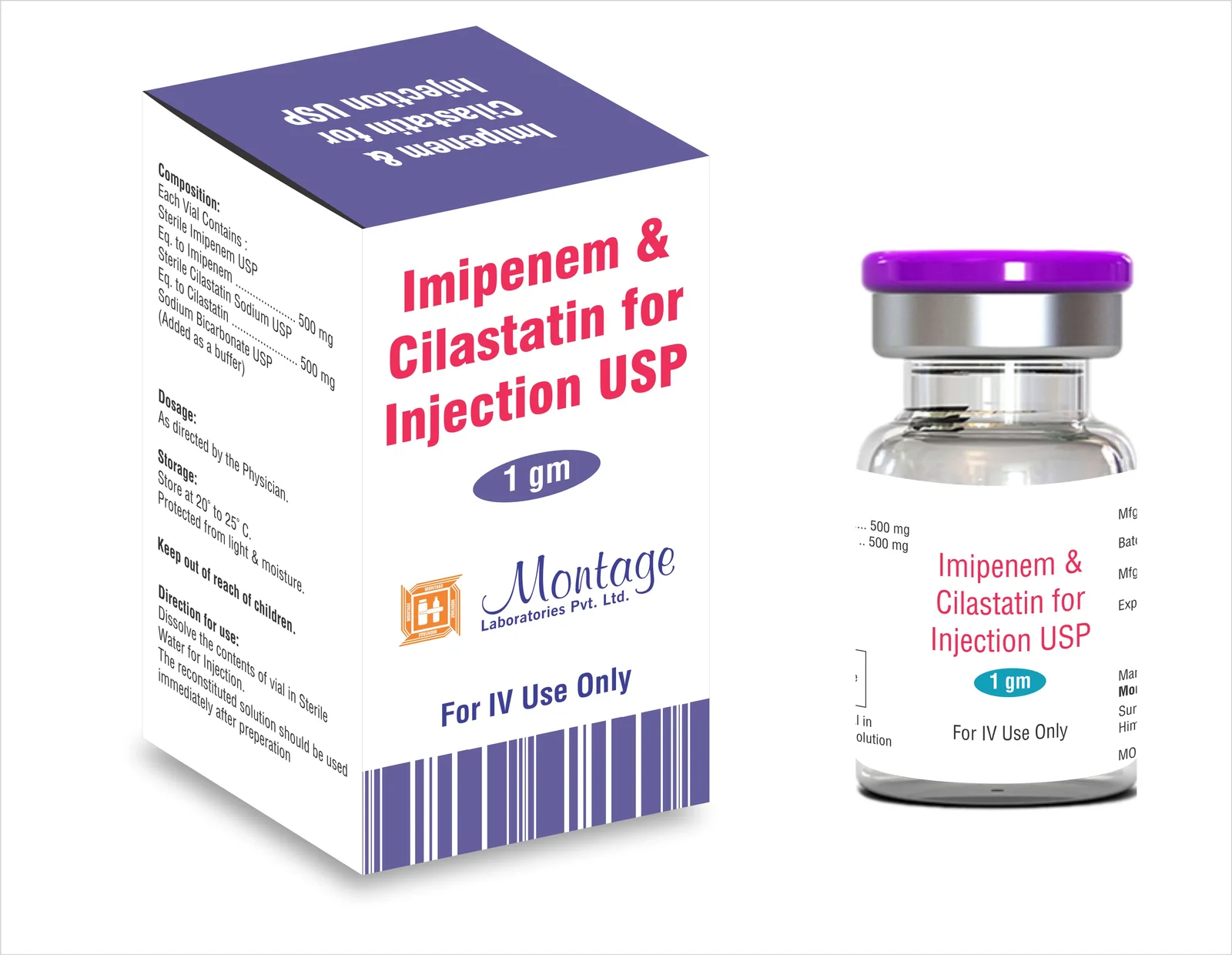
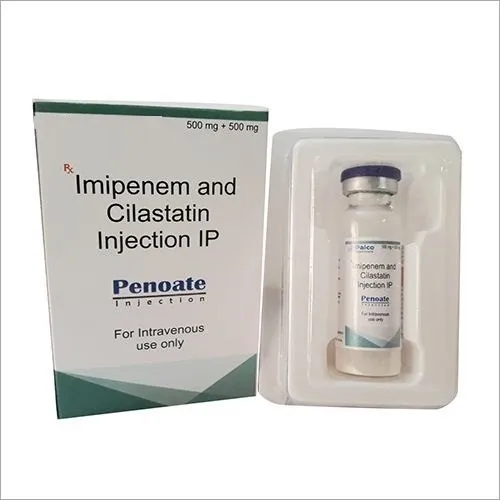
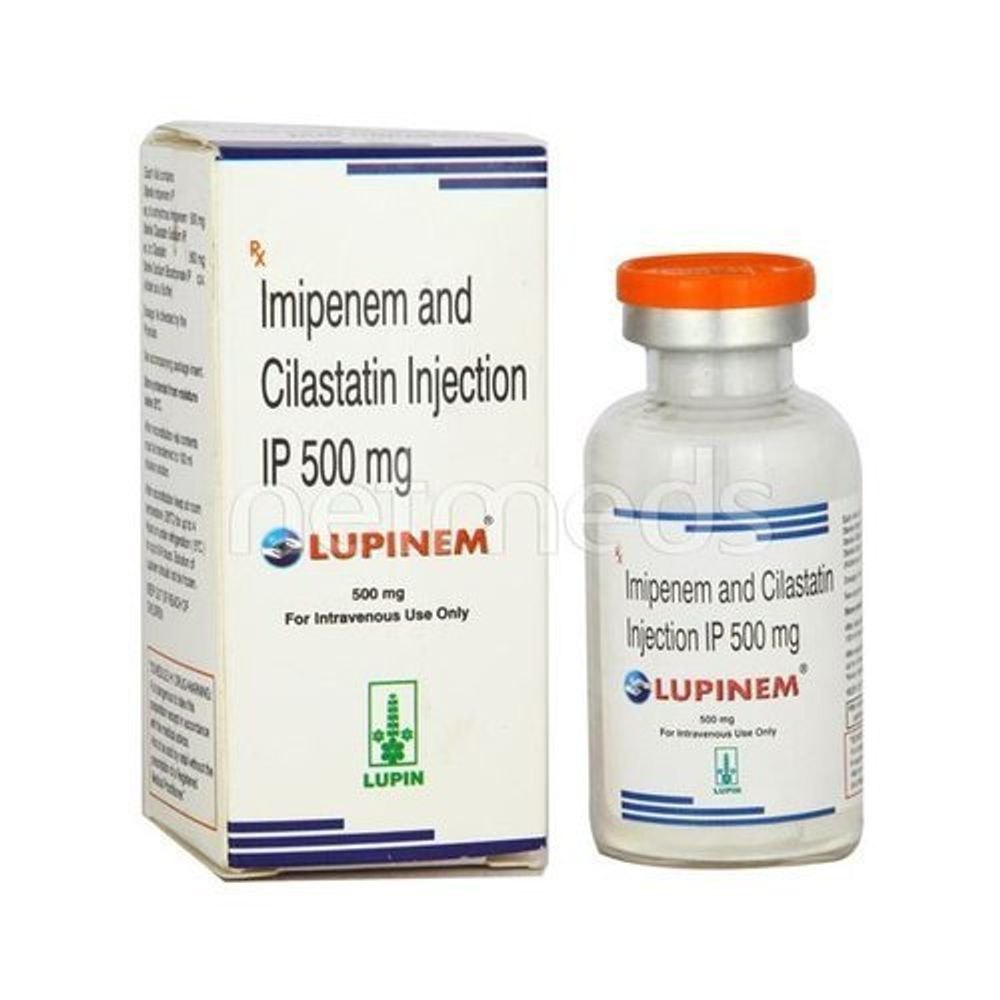
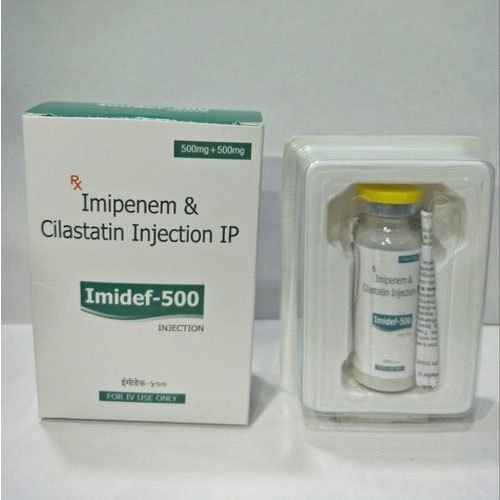
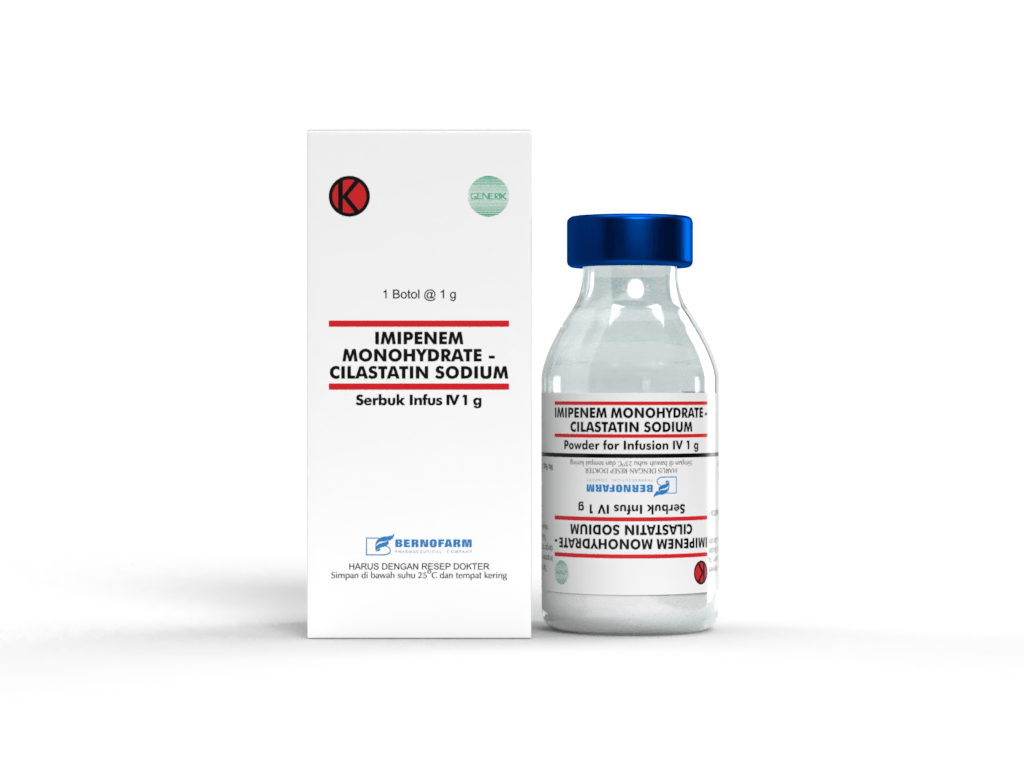
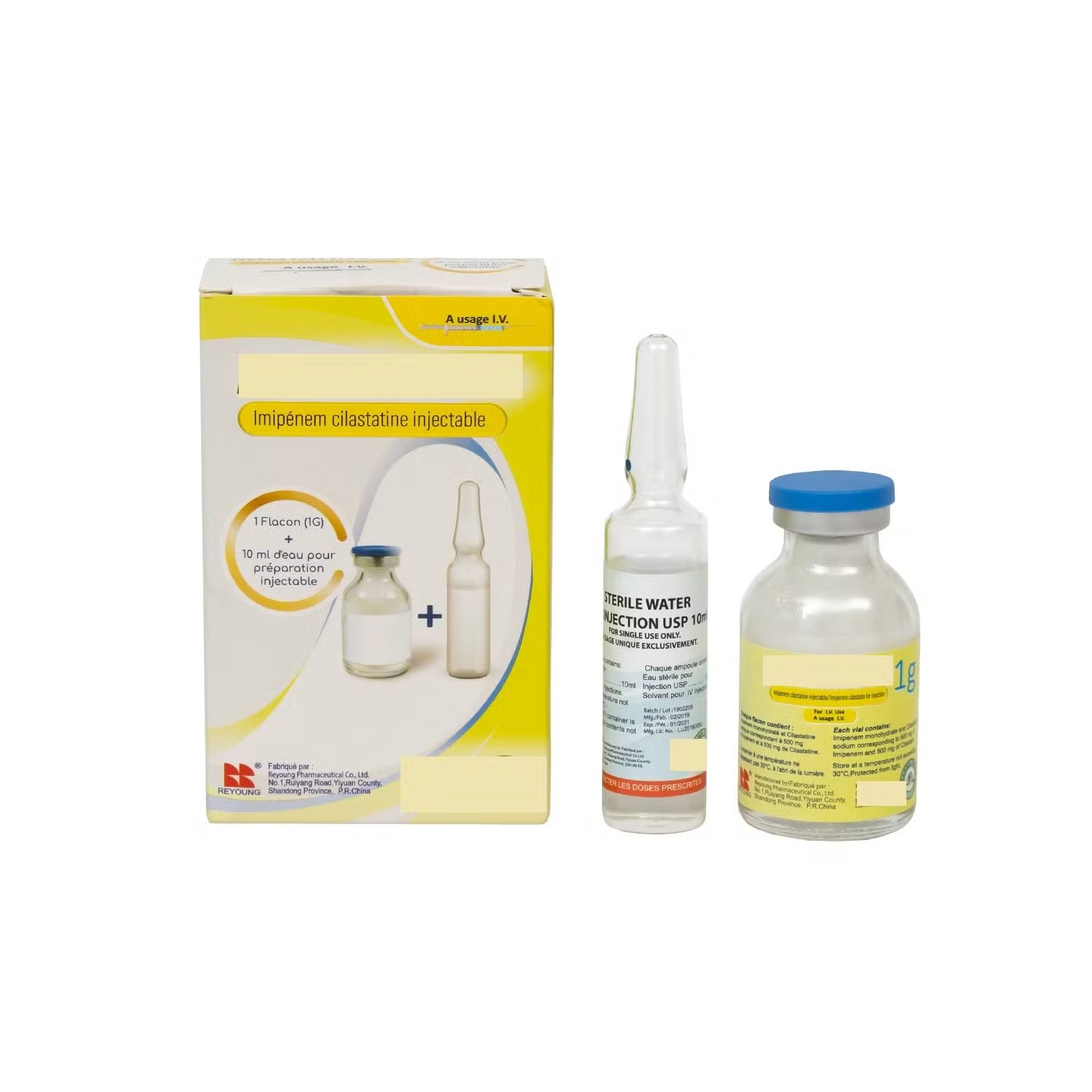
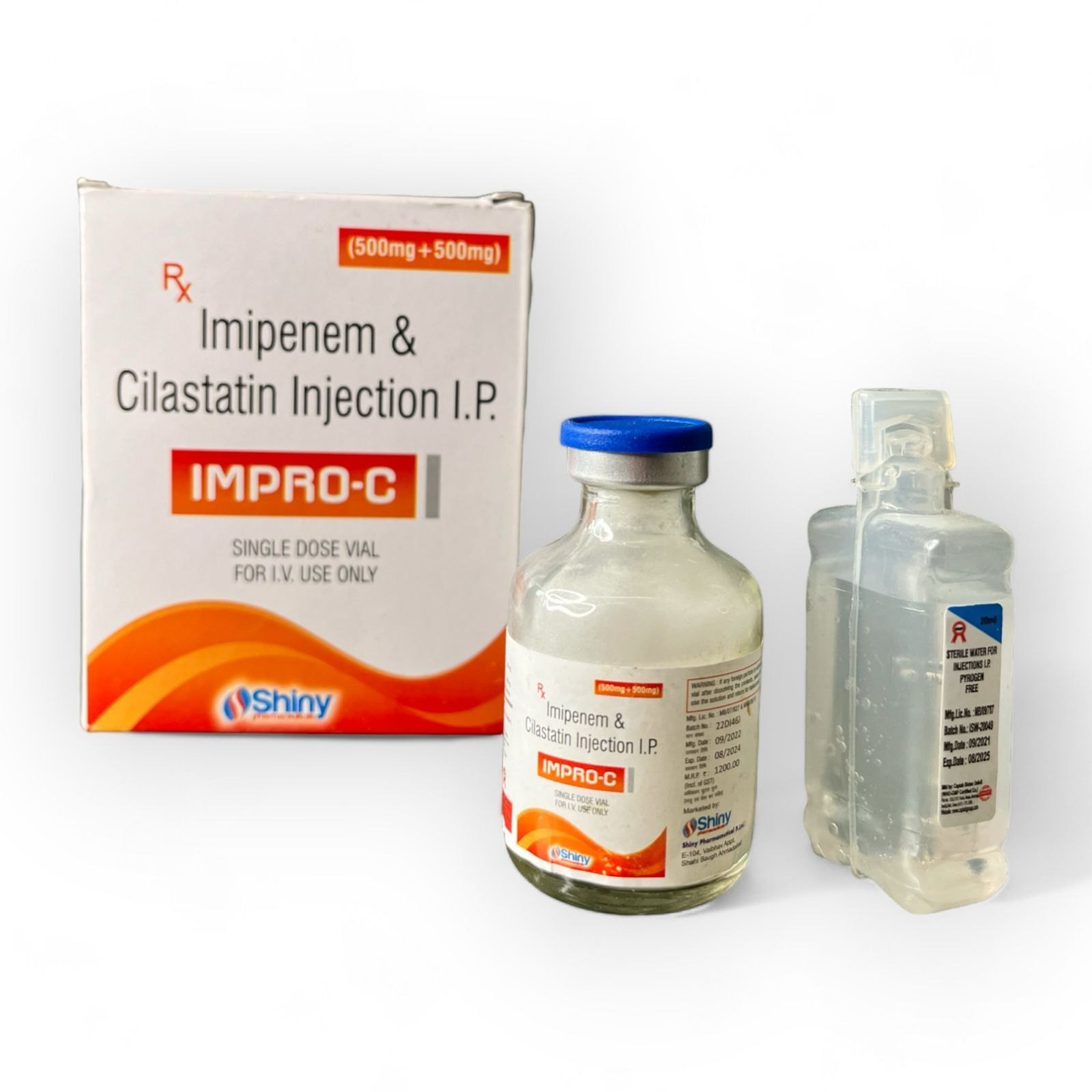
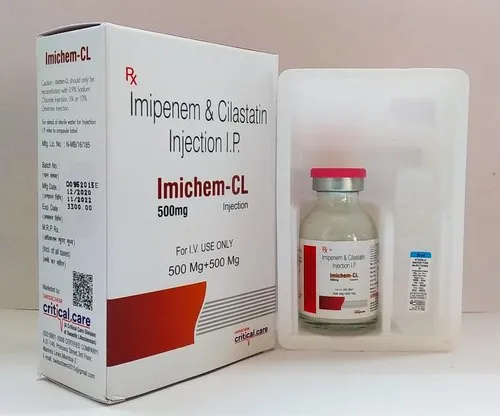
Imipenem-Cilastatin

£238.99

Imipenem-Cilastatin: A Comprehensive Guide

In this article, we will delve into the benefits, prescription guidelines, nutritional information, and ingredients of Imipenem-Cilastatin, a powerful antibiotic medication used to treat a variety of bacterial infections.

Imipenem-Cilastatin Benefits

Imipenem-Cilastatin is highly effective in treating a wide range of bacterial infections, including those that are resistant to other antibiotics. It is commonly used to treat severe cases of pneumonia, urinary tract infections, and intra-abdominal infections. Its broad-spectrum activity makes it a preferred choice for healthcare providers when dealing with complicated bacterial infections.

Prescription Guidelines

Imipenem-Cilastatin is a prescription medication that should only be used under the guidance and supervision of a healthcare professional. It is typically administered intravenously in a hospital setting, as it requires careful monitoring due to potential side effects. The dosage and duration of treatment will vary depending on the type and severity of the infection being treated. It is important to follow the prescribed dosage and complete the full course of treatment to ensure the infection is fully eradicated.

Nutritional Information

While Imipenem-Cilastatin is not a nutritional supplement, it is important to be aware of any dietary restrictions or considerations while taking this medication. Some patients may experience digestive issues or changes in appetite while on Imipenem-Cilastatin, so it is important to maintain a balanced diet and stay hydrated throughout the course of treatment.

Ingredients

The active ingredients in Imipenem-Cilastatin are Imipenem and Cilastatin. Imipenem is a beta-lactam antibiotic that works by inhibiting the formation of bacterial cell walls, leading to the death of the bacteria. Cilastatin is a renal dehydropeptidase inhibitor that helps prevent the breakdown of Imipenem in the kidneys, allowing for higher levels of the medication to remain in the body and be effective against infection.
In conclusion, Imipenem-Cilastatin is a potent antibiotic medication with a wide range of benefits in treating severe bacterial infections. It is important to follow prescription guidelines carefully, be mindful of any nutritional considerations, and understand the active ingredients in the medication to ensure safe and effective treatment. If you have any questions or concerns about Imipenem-Cilastatin, be sure to consult with your healthcare provider for personalized guidance and support.

SEO meta-description: Learn about the benefits, prescription guidelines, nutritional information, and ingredients of Imipenem-Cilastatin, a powerful antibiotic medication for treating bacterial infections.
Title: The Ultimate Guide to Imipenem-Cilastatin

Description

Imipenem-Cilastatin: A Powerful Combination for Fighting Resistant Infections

In the ever-evolving battle against bacterial infections, healthcare professionals rely on a variety of antibiotics to combat these microscopic invaders. Among these, Imipenem-Cilastatin stands out as a potent combination, particularly useful in treating severe and complex infections, including those resistant to other antibiotics. This article explores the mechanism, uses, potential side effects, and important considerations surrounding this powerful duo.

Understanding the Components: Imipenem and Cilastatin

Imipenem is a carbapenem antibiotic, a broad-spectrum class known for its ability to kill a wide range of bacteria, including Gram-positive, Gram-negative, and anaerobic organisms. It achieves this by inhibiting the synthesis of bacterial cell walls, a critical component for bacterial survival. However, Imipenem is rapidly broken down in the kidneys by an enzyme called dehydropeptidase-I (DHP-I). This degradation reduces its effectiveness as a therapeutic agent.

This is where Cilastatin comes into play. Cilastatin is not an antibiotic itself; it is a DHP-I inhibitor. By blocking the activity of this enzyme in the kidneys, Cilastatin prevents the breakdown of Imipenem, allowing it to reach higher concentrations in the body and maintain its antimicrobial activity. Effectively, Cilastatin serves as a protective shield for Imipenem, enhancing its efficacy and extending its therapeutic lifespan.

When is Imipenem-Cilastatin Used?

The combination of Imipenem and Cilastatin is typically reserved for serious and life-threatening infections caused by bacteria resistant to other antibiotics. Its broad spectrum of activity makes it a valuable tool in treating a variety of infections, including:

  • Pneumonia: Particularly hospital-acquired pneumonia and ventilator-associated pneumonia.
  • Intra-abdominal infections: Such as peritonitis and abscesses.
  • Skin and soft tissue infections: Including complicated infections like necrotizing fasciitis.
  • Urinary tract infections: When caused by resistant bacteria.
  • Bone and joint infections (osteomyelitis):
  • Septicemia: A life-threatening blood infection.

Due to the risk of developing resistance, Imipenem-Cilastatin is generally not used as a first-line treatment. It is typically considered when other antibiotics have failed or are unlikely to be effective.

Administration and Dosage

Imipenem-Cilastatin is administered intravenously (IV) by a healthcare professional. The dosage and treatment duration depend on the severity and type of infection, the patient’s renal function, and other individual factors. Careful monitoring is crucial throughout the treatment course.

Potential Side Effects and Precautions

Like all medications, Imipenem-Cilastatin can cause side effects. Common side effects include:

  • Nausea and vomiting:
  • Diarrhea:
  • Injection site reactions: Such as pain, redness, and swelling.
  • Rash:

More serious, but less common, side effects include:

  • Seizures: Particularly in patients with pre-existing neurological conditions or impaired renal function.
  • Allergic reactions: Including anaphylaxis, a life-threatening allergic reaction.
  • Superinfection: Development of infections caused by organisms resistant to Imipenem-Cilastatin, such as Clostridium difficile.
  • Kidney problems: Although Cilastatin protects Imipenem from kidney breakdown, it’s still important to monitor kidney function during treatment.

Important Considerations

Before starting Imipenem-Cilastatin, inform your doctor about any allergies, underlying medical conditions, and all other medications you are taking, including over-the-counter drugs and herbal supplements.

  • Pregnancy and Breastfeeding: Imipenem-Cilastatin should be used with caution during pregnancy and breastfeeding, as its effects on the fetus and infant are not fully known.
  • Renal Impairment: Dosage adjustments are necessary for patients with impaired kidney function.
  • Seizure History: Individuals with a history of seizures should be closely monitored during treatment.
  • Drug Interactions: Imipenem-Cilastatin can interact with other medications, potentially altering their effectiveness or increasing the risk of side effects.

Conclusion

Imipenem-Cilastatin is a powerful combination antibiotic reserved for treating serious infections caused by resistant bacteria. While it offers a valuable option in challenging clinical scenarios, it is important to understand its potential side effects and use it judiciously to minimize the risk of further antibiotic resistance. Responsible use, guided by a healthcare professional’s expertise, is key to preserving the effectiveness of this vital antimicrobial agent. It is crucial that patients adhere to their prescribed treatment plan and communicate any concerns or side effects to their healthcare providers.

Reviews

There are no reviews yet.

Be the first to review “Imipenem-Cilastatin”

Your email address will not be published. Required fields are marked *

Add to cart