
Description
1. Product Overview
Trimethyl gallium (TMG) is a high-purity metalorganic compound serving as the critical gallium precursor for metalorganic chemical vapor deposition (MOCVD) and atomic layer deposition (ALD) processes. Its primary industrial use is in the production of compound semiconductors such as gallium arsenide (GaAs), gallium nitride (GaN), and indium gallium nitride (InGaN). The key value proposition is enabling superior epitaxial layer uniformity and electronic performance for high-power, high-frequency, and optoelectronic devices. Strategically, TMG is indispensable to global 5G infrastructure, LED lighting, and electric vehicle power electronics supply chains, where precursor purity directly determines device yield and reliability.
2. Key Specifications & Technical Characteristics
-
Chemical composition: Trimethyl gallium, (CH₃)₃Ga, CAS 1445-79-0
-
Purity level: 6N (99.9999%) and 7N (99.99999%) grade; typical metal impurities < 1 ppm each; silicon & zinc < 0.1 ppm
-
Physical characteristics: Colorless, pyrophoric liquid at room temperature; density approx. 1.151 g/cm³ at 25°C; melting point -15.8°C; boiling point 55.7°C
-
Vapor pressure: 230 hPa at 25°C (optimized for MOCVD bubble delivery)
-
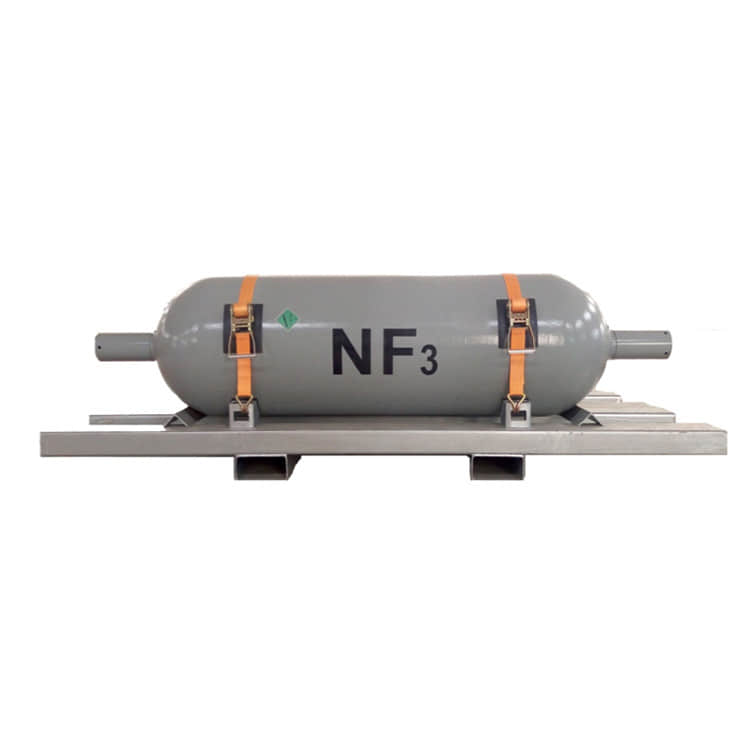
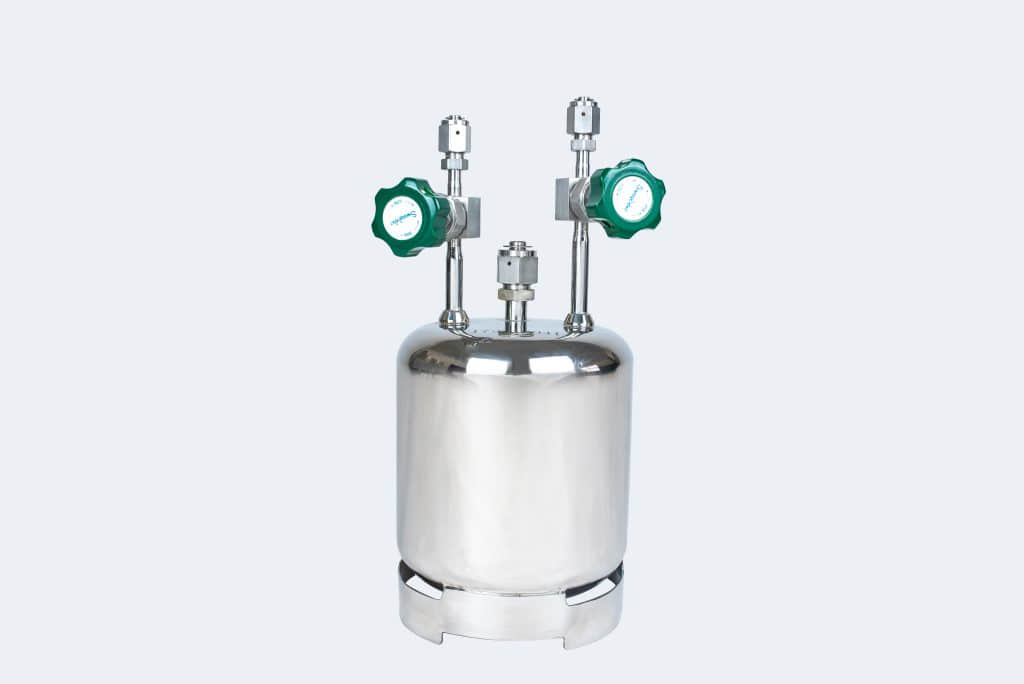
Packaging options: Stainless steel bubblers (300 mL, 1 L, 5 L, 10 L capacity) with integrated dip tubes; optional high-purity valves (VCR/C-seal)
-
Shelf life: 12 months from date of analysis when stored at ≤ 30°C in sealed, inert atmosphere
3. Core Industrial Applications
-
Power electronics (GaN-on-Si): Used to deposit GaN buffer and barrier layers for 650V–1200V power transistors in EV chargers and data center power supplies. TMG’s consistent vapor pressure ensures ±1% layer thickness uniformity, reducing on-resistance variation by 15% vs. alternative gallium sources.
-
RF & 5G infrastructure (GaAs/GaN): Enables high-electron-mobility transistors (HEMTs) for millimeter-wave 5G base stations. TMG provides lower carbon incorporation (< 0.5%) than legacy precursors, directly improving gain and linearity.
-
Optoelectronics (LED & laser diodes): Critical for blue, green, and UV LED active layers (InGaN). The high purity (7N) reduces non-radiative recombination centers, boosting external quantum efficiency by up to 8% compared to standard-grade TMG.
-
Solar cells (multi-junction): Used in III-V tandem cells for space PV and concentrator photovoltaics, where defect density must remain below 1×10⁵ cm⁻².
4. Competitive Advantages
-
Quality consistency: In-line FTIR and ICP-MS testing for every bubbler; lot-to-lot variation below 2% of target molar delivery.
-
Supply reliability: Dedicated production lines with no cross-contamination; safety stock held in three continents (Asia, Europe, Americas) to mitigate geopolitical disruption.
-
Logistics capability: UN3394 (pyrophoric liquid) certified packaging; real-time temperature tracking; door-to-door hazardous materials delivery with 48-hour emergency response.
-
Price competitiveness: Volume-based tier pricing with long-term supply agreements (12–36 months) offering fixed quarterly pricing, decoupling from spot market volatility.
-
Environmental & safety: Returnable stainless steel bubbler program reducing single-use container waste; full material safety data sheets (MSDS) and on-site safety training for customer handling teams.
-
Technical support: Dedicated process engineer for qualification runs; impurity source analysis for failure investigation; recipe optimization support for MOCVD tools (Aixtron, Veeco, Taiyo Nippon Sanso).
5. Commercial & Supply Information
-
Minimum order quantity (MOQ): 5 kg net TMG per order (approx. 5 × 1L bubblers)
-
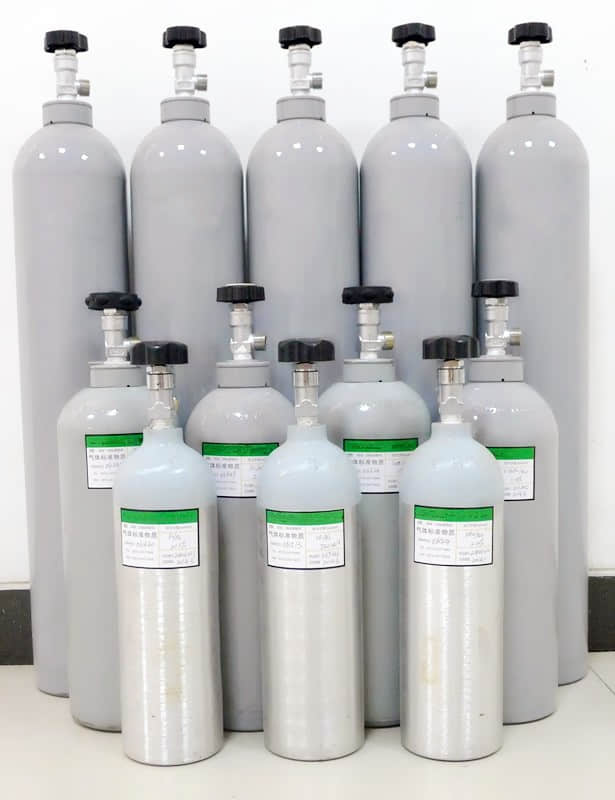
BULK 20MT loading capacity: Not applicable — TMG is shipped as hazardous liquid in pressurized cylinders. Equivalent bulk: 8 metric tons per 20-ft ISO container (stacked, secured cylinder configuration). Full container load (FCL): 8 MT net TMG maximum per container, per IATA/IMDG dangerous goods regulations.
Reviews
There are no reviews yet.