
Description
1. Product Overview
Polyetherimide (PEI) is an amorphous, high-performance thermoplastic polymer renowned for its exceptional thermal stability, mechanical strength, and inherent flame retardancy. Primarily used in precision engineering, aerospace, medical devices, and electronics, PEI serves as a direct replacement for metals and other engineering plastics in high-stress, high-temperature environments. Its strategic value lies in enabling lightweighting without sacrificing structural integrity, directly addressing global industrial demands for energy efficiency and regulatory compliance in mission-critical applications.
2. Key Specifications & Technical Characteristics
-
Chemical Composition: Polyetherimide resin (CAS No. 61128-46-9); unfilled or glass-fiber-reinforced (e.g., 10–30% GF) grades available
-
Purity/Grade: Virgin industrial grade; meets UL 94 V-0 (down to 0.4 mm thickness); FDA-compliant grades for food/medical contact available upon request
-
Physical Characteristics:
-
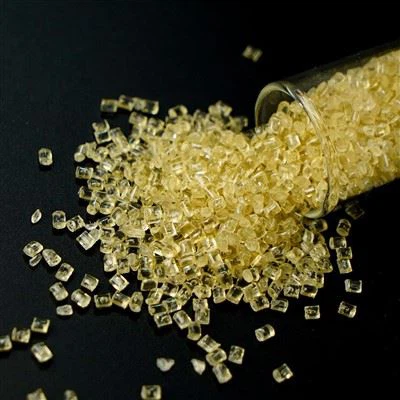
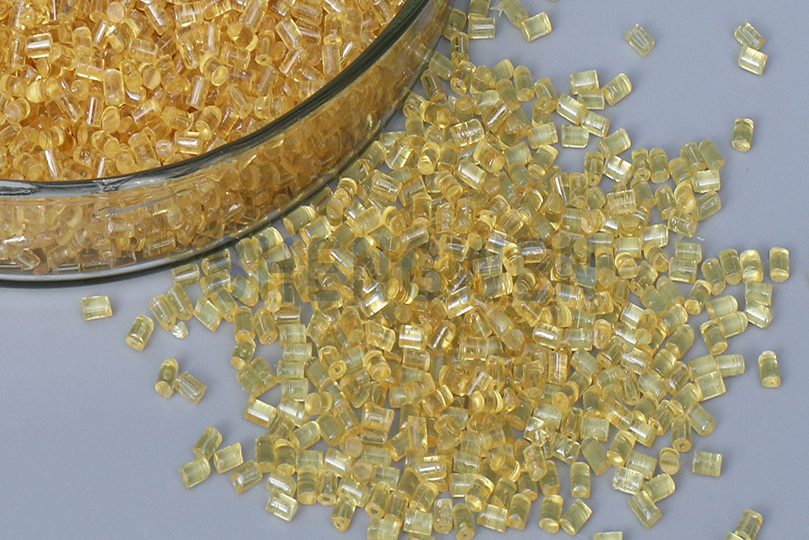
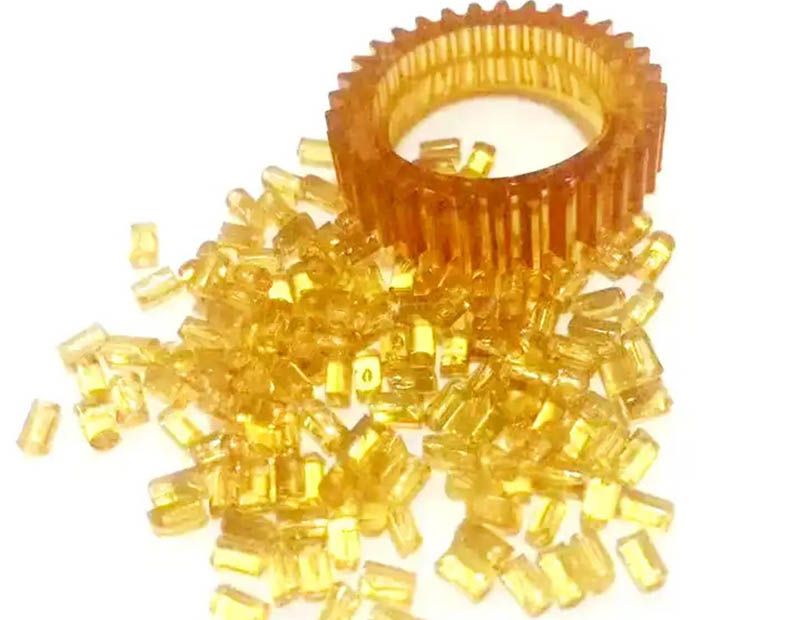
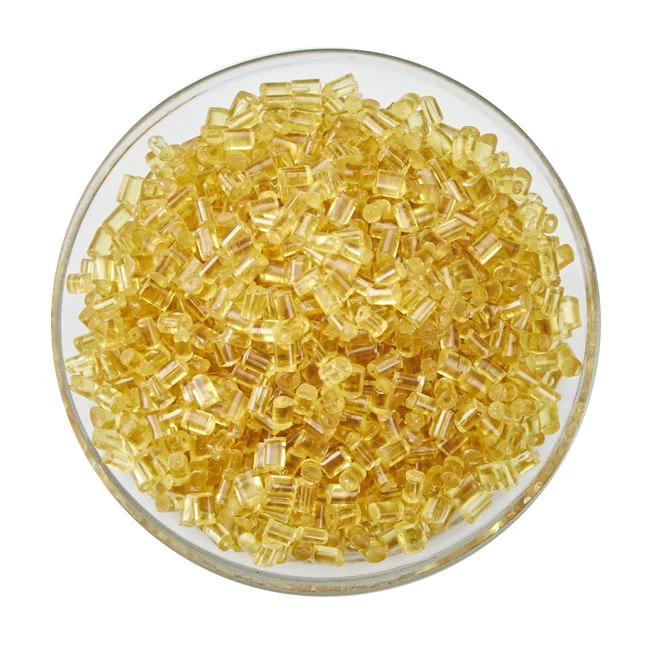
Form: Pellets (2.5–3.5 mm) or custom-machined shapes
-
Color: Amber-translucent to black (custom colors available)
-
Density: 1.27 – 1.51 g/cm³ (depending on reinforcement)
-
Melt Flow Index (MFI): 8–18 g/10 min (337°C/5 kg)
-
-
Packaging Options: 25 kg moisture-barrier bags; 500 kg FIBCs; 1,000 kg wooden palletized crates with desiccant
-
Shelf Life: 24 months when stored below 40°C in original sealed packaging (hygroscopic – requires pre-drying before processing)
3. Core Industrial Applications
-
Aerospace & Defense: Interior cabin components, ducting, brackets, and electrical connectors – outperforms aluminum on weight (45% lighter) and PEEK on cost, while maintaining continuous use up to 170°C.
-
Medical Technology: Sterilizable surgical instruments, trays, and dental tools – resists over 1,000 cycles of steam autoclave, EtO, and gamma radiation without degradation, unlike polycarbonate or ABS.
-
Electronics & Semiconductor: High-voltage insulators, burn-in test sockets, and EMI shielding housings – delivers dielectric strength of 28 kV/mm and low outgassing (NASA low-outgassing certified grades).
-
Automotive (EV/ICE): Throttle bodies, sensor housings, and transmission components – replaces brass and stainless steel, reducing assembly costs via injection molding and eliminating secondary machining.
4. Competitive Advantages
-
Quality Consistency: ISO 9001:2025 certified production with batch-to-batch traceability; each lot certified for HDT (200°C at 1.82 MPa) and tensile strength (≥105 MPa).
-
Supply Reliability: Dual-sourced manufacturing lines (Asia & Europe) with 98.5% on-time-in-full (OTIF) performance; safety stock held in three regional warehouses.
-
Logistics Capability: Expedited LTL and full-container shipping with climate-controlled options; hazardous material certification not required.
-
Price Competitiveness: 12–18% lower total landed cost vs. incumbent PEI suppliers (Sabic Ultem™ equivalents) for identical mechanical specs.
-
Sustainability: 30% post-industrial recycled (PIR) compound available; all virgin material meets RoHS, REACH, and PFAS-free standards.
-
Technical Support: Free pre-sale CAE simulation (FEA mold flow) and on-site drying/processing audit included for orders ≥20 MT.
5. Commercial & Supply Information
-
Minimum Order Quantity (MOQ): 500 kg per grade and color
-
Bulk (20 MT): Volume discount tier begins at 20 metric tons (full truckload equivalent)
-
Loading Capacity (MT per container):
-
20 ft dry container: 18 MT (max palletized)
-
40 ft HC container: 24 MT (optimized bulk bags)
-
Flexitank not applicable; product is solid pellets
-



Reviews
There are no reviews yet.