
Description
1. Product Overview
Polyethylene oxide (PEO) is a high-molecular-weight, water-soluble thermoplastic resin known for its exceptional thickening, flocculation, and lubrication properties. Primarily used as a rheology modifier and processing aid in industries ranging from ceramics to wastewater treatment, its key value proposition lies in enabling dramatic viscosity increases at very low concentrations—reducing total formulation costs. As global demand for high-performance polymers and sustainable water treatment solutions accelerates, PEO offers a strategically critical alternative to traditional thickeners due to its low toxicity, biodegradability, and predictable shear behavior.
2. Key Specifications & Technical Characteristics
-
Chemical composition: Linear homopolymer of ethylene oxide (–CH₂–CH₂–O–)ₙ
-
Molecular weight range: 100,000 – 8,000,000 g/mol (multiple grades available)
-
Purity level: ≥99.5% active polymer content
-
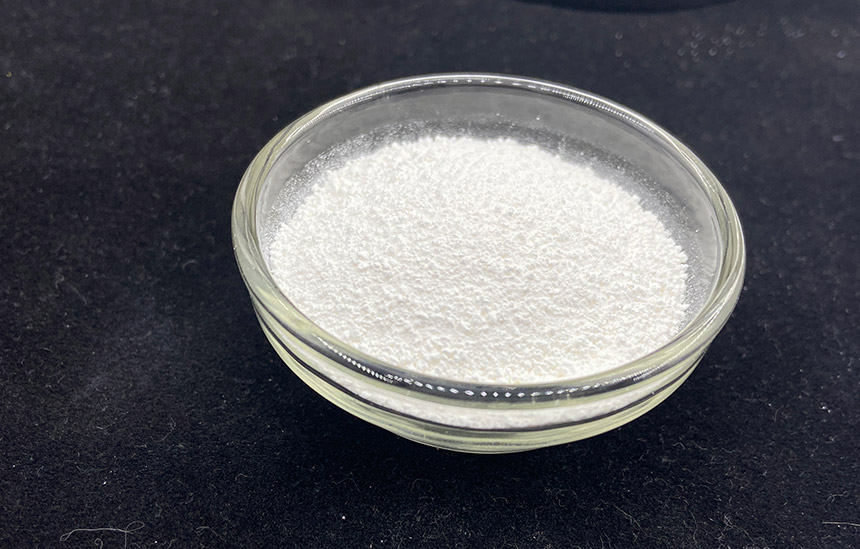
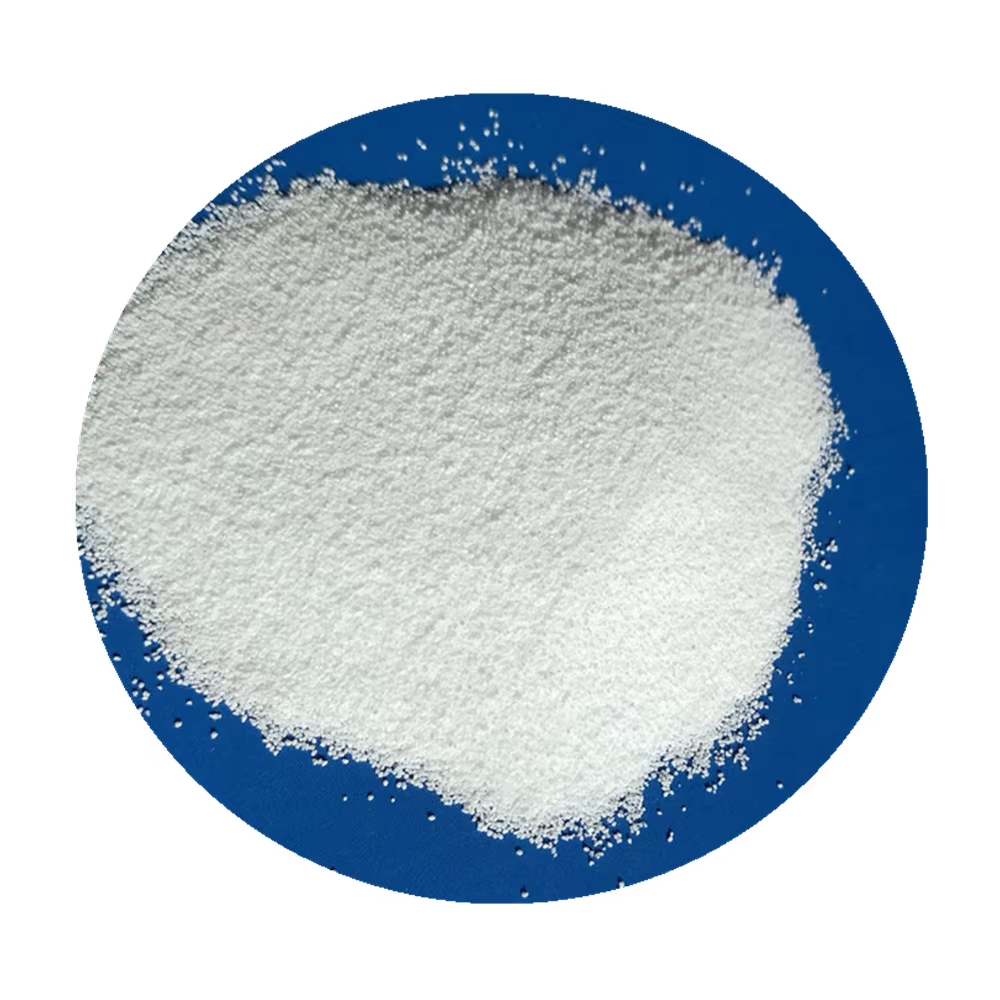
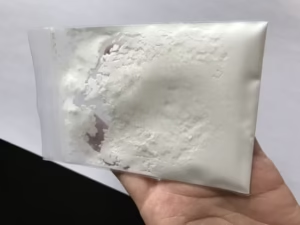
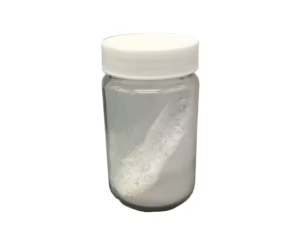
Physical form: White, free-flowing granular or coarse powder
-
Bulk density: 350–550 kg/m³ (varies by grade)
-
Particle size: 95% through 20 mesh (standard); micronized options available
-
Viscosity (1% solution @ 25°C): 100 – 15,000 cP (depending on MW grade)
-
pH (1% solution): 6.0 – 8.0 (neutral)
-
Packaging options: 25 kg multi-wall kraft bags with PE liner; 500 kg FIBCs; bulk bag loading for containers
-
Shelf life: 24 months when stored in original sealed packaging below 40°C, away from humidity and direct sunlight
3. Core Industrial Applications
-
Ceramic binders & green machining: PEO provides high green strength in ceramic injection molding and extrusion, enabling thinner wall sections and lower binder burnout temperatures than PVB or acrylics—reducing kiln cycle times by up to 20%.
-
Wastewater & mining flocculants: Superior bridging flocculation for suspended solids. Outperforms polyacrylamides in high-salinity or variable-pH streams; non-toxic residue allows treated water reuse in sensitive environments.
-
Lithium-ion battery separator coatings: Low-dosage rheology control for aqueous ceramic slurries on polyethylene separators—enhances thermal shutdown reliability without increasing impedance.
-
Adhesives & cementitious mortars: Acts as a water-retention aid and slip modifier; improves open time by 30–50% compared to cellulose ethers in tile adhesives and self-leveling underlayments.
-
Pharma & food contact lubricants: FDA-compliant grades (21 CFR 172.900) used as tablet binding agents and metal-release coatings in processing equipment.
4. Competitive Advantages
-
Quality consistency: Lot-to-lot viscosity variation <±5% (certified via GPC and Brookfield testing). ISO 9001:2025-certified production with full traceability from reactor to shipment.
-
Supply reliability: Dedicated production lines with 3,000 MT/month capacity. Regional safety stock held in North America, EU, and Asia—typical lead time 14 days for standard grades.
-
Logistics capability: Vibration-dampened packaging for granular stability; moisture-barrier liners standard. Container loading protocols prevent caking during ocean transit.
-
Price competitiveness: Direct-from-manufacturer pricing with volume-based tiering. No premium for high-MW grades (>5M).
-
Sustainability: Fully water-soluble and non-bioaccumulative. No hazardous air emissions during processing. Recyclable packaging and take-back program for FIBCs.
-
Technical support: In-house application lab provides free rheology mapping, scale-up assistance, and troubleshooting for shear degradation issues.
5. Commercial & Supply Information
-
Minimum Order Quantity (MOQ): 1 MT (40 x 25 kg bags or 2 x 500 kg FIBCs)
-
Bulk order threshold: 20 MT (qualifies for direct mill pricing and dedicated production slot)
-
Loading capacity per 20 ft container: 18 MT net (palletized, 25 kg bags)
-
Loading capacity per 40 ft HC container: 24 MT net (FIBCs only, floor-loaded)
-
Incoterms supported: EXW, FOB, CIF, DAP (global port network)
-
Lead time: Sample quantities: 3–5 days; full container: 10–14 days; bulk 20 MT+: 21 days from purchase order confirmation


Reviews
There are no reviews yet.