
Description
1. Product Overview
Acrylamide is a high-purity, water-soluble vinyl monomer manufactured via advanced enzymatic hydration or copper-catalyzed processes, serving as the critical precursor for polyacrylamide polymers. Its primary industrial use lies in water treatment, enhanced oil recovery, papermaking, and mineral processing, where it drives flocculation, thickening, and retention performance. The key value proposition is exceptional reaction consistency and ultra-low residual monomer content, enabling downstream manufacturers to achieve stable polymer production with lower purification costs. Strategically, it is indispensable in global markets facing tightening regulations on industrial effluent and rising demand for enhanced resource recovery.
2. Key Specifications & Technical Characteristics
-
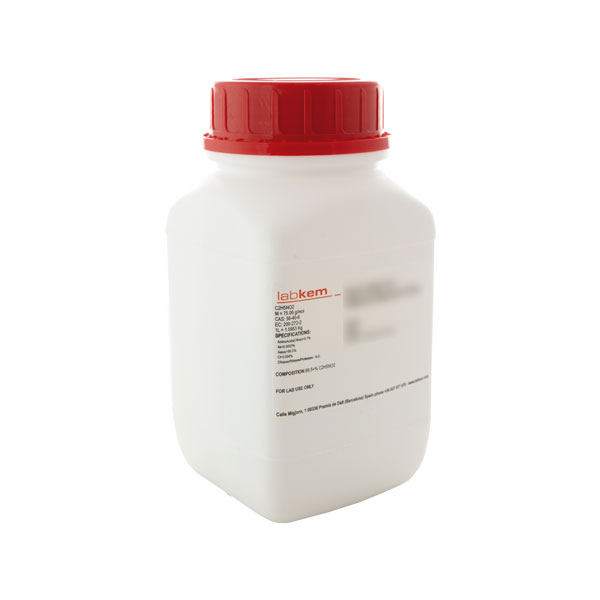
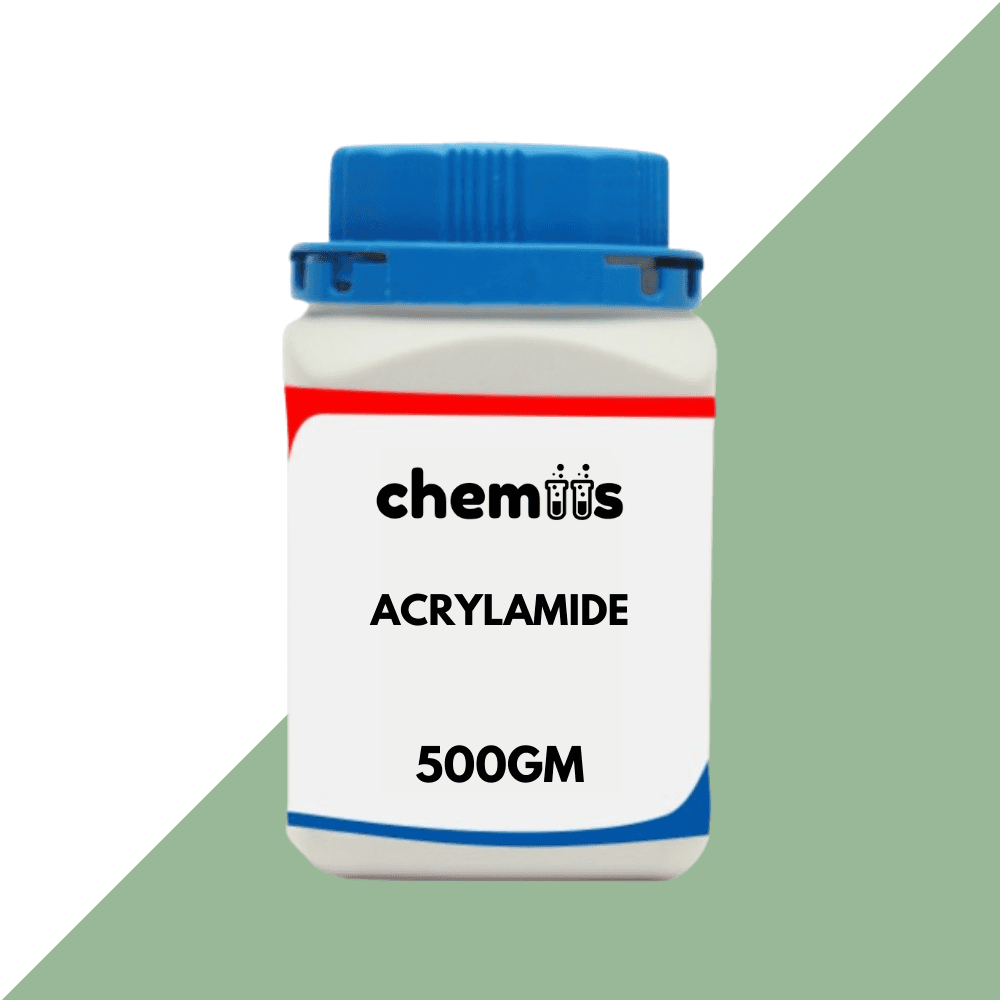
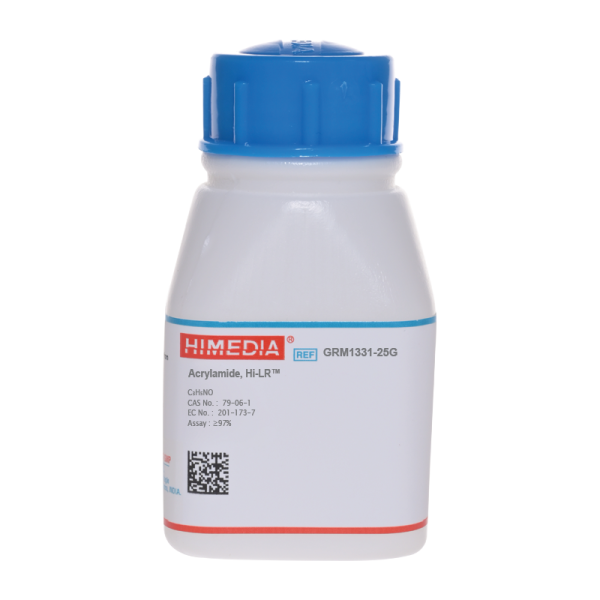
Chemical composition: Acrylamide monomer (C₃H₅NO), typically supplied as 50% w/w aqueous solution or crystalline solid
-
Purity level / grade: 99.9% min. (crystalline); 48–50% concentration (solution). Residual monomer <100 ppm
-
Physical characteristics:
-
Form: White crystalline flake (solid) or clear, colorless liquid (solution)
-
Density (50% solution): ~1.09 g/mL at 20°C
-
pH (50% solution): 6.0–7.5
-
Viscosity (50% solution): 5–15 cP at 25°C
-
-
Packaging options:
-
Solid: 25 kg multi-layer paper/PE bags; 750 kg bulk FIBC
-
Solution: 1,000 kg IBC totes; 20–25 MT isotanks; 200 kg HDPE drums
-
-
Shelf life: 12 months (solid, unopened); 6 months (solution, 5–30°C protected from light & polymerization inhibitors intact)
3. Core Industrial Applications
-
Water & wastewater treatment (primary industry): Polymerization into high-molecular-weight polyacrylamide coagulants and flocculants for municipal sewage, paper mill white water, and mining tailings. Performs better than alum or ferric salts in low-dose, high-clarity separation with faster settling rates.
-
Enhanced oil recovery (EOR): Copolymerized with acrylate salts to produce viscosifiers for polymer flooding. Outperforms biopolymers (e.g., xanthan gum) in thermal stability (up to 90°C) and bacterial degradation resistance, increasing crude extraction by 5–15% per field.
-
Paper & pulp manufacturing: Retention and drainage aids. Acrylamide-based polymers improve fiber retention by 20–30% vs. native starches, reducing raw material waste and drying energy.
-
Mineral processing: Flocculants for solid–liquid separation in red mud (Bayer process) and coal refuse. Lower polymer consumption per ton of solids than competitor monomers due to consistent chain-transfer behavior.
4. Competitive Advantages
-
Quality consistency: Batch-to-batch molecular weight distribution controlled within ±3% (GPC validated); certified free of trace metals (Fe <0.5 ppm, Cu <0.1 ppm) to prevent premature polymerization.
-
Supply reliability: Dual manufacturing sites (Asia, Middle East) with 45,000 MT annual capacity; buffer inventory maintained at 2,500 MT across regional hubs.
-
Logistics capability: Real-time GPS tracking for isotanks; temperature-controlled storage in transit for solution grades (eliminates cold-cracking risk).
-
Price competitiveness: Long-term contracts indexed to propylene and ammonia benchmarks, with quarterly pricing floors – 8–12% below European spot market average.
-
Sustainability & safety: Manufactured via enzymatic (biocatalytic) route eliminating copper catalyst waste; REACH and TSCA compliant; full SDS and migration-toxicity data provided.
-
Technical support: Dedicated polymer simulation lab for customer-specific molecular weight optimization; ISO 17025-certified analytical reports with each shipment.
5. Commercial & Supply Information
-
Minimum Order Quantity (MOQ):
-
Solid (bags/FIBC): 20 MT
-
Solution (IBC/totes): 20 MT
-
Solution (isotanks): 20 MT
-
-
BULK 20MT Loading capacity:
-
Solid bagged: 20 MT per 20’ dry container (palletized)
-
Solid FIBC: 20 MT per 20’ dry container
-
Solution IBC totes: 20 MT per 20’ container (20 x 1,000 kg totes)
-
Solution isotanks: 20–24 MT per 20’ ISO tank container
-


Reviews
There are no reviews yet.