
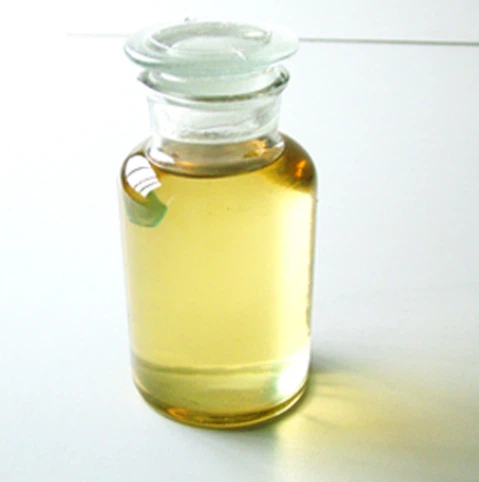
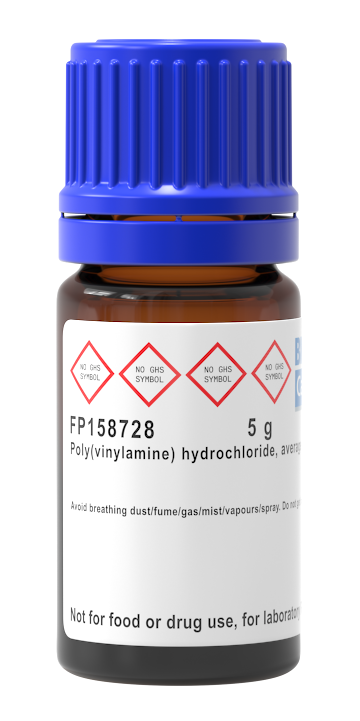
Description
Introduction – “What on Earth is Polyvinylamine?”
If you’ve ever shopped for a water‑proof jacket, browsed a pharmacy for a wound‑care product, or read about the next‑generation battery, you’ve already been touched by polyvinylamine (PVAm)—even if you didn’t know its name.
At its core, polyvinylamine is a synthetic polymer built from repeating units of vinylamine (CH₂=CH–NH₂). Imagine a long, flexible chain where each “bead” carries a primary amine (–NH₂) pendant. Those amine groups are chemically active, water‑loving, and can be tweaked in dozens of ways, turning PVAm into a kind of “Swiss‑army knife” for chemists and engineers.
In this post we’ll demystify the chemistry, explore why PVAm is gaining traction across several industries, and peek at the research frontiers that could make it even more indispensable in the next decade.
1. From Monomer to Polymer – How PVAm is Made
| Step | What Happens | Why It Matters |
|---|---|---|
| 1️⃣ Vinylamine Synthesis | Vinylamine is typically prepared by the Raschig process (hydrolysis of ethylene imine) or by reductive amination of acetaldehyde. | Produces the high‑purity monomer needed for controlled polymerisation. |
| 2️⃣ Polymerisation | Two main routes: • Free‑radical polymerisation (using initiators like AIBN) • Controlled/living radical polymerisation (e.g., RAFT, ATRP). |
Free‑radical gives bulk polymer quickly; controlled methods let you tune molecular weight, dispersity, and embed functional end‑groups. |
| 3️⃣ Post‑Polymerisation Modification (optional) | The pendant –NH₂ groups can be alkylated, acylated, or grafted with other molecules (e.g., sulfonic acids, fluorinated chains). | Tailors solubility, charge density, and compatibility with other materials. |
Pro tip: Because the –NH₂ groups are so nucleophilic, PVAm can be post‑functionalized in virtually any solvent that dissolves it—making it a versatile platform for “click‑chemistry” style modifications.
2. Core Properties – Why Chemists Love PVAm
| Property | Typical Value | Practical Implication |
|---|---|---|
| Molecular weight (Mn) | 5 k–500 k g mol⁻¹ (tunable) | Controls viscosity, film‑forming ability, and mechanical strength. |
| Degree of polymerisation (DP) | 50–5000 | Directly linked to chain length and charge density. |
| pKa of pendant amine | ≈ 9.5–10 | Fully protonated under physiological pH → high cationic charge. |
| Water solubility | Highly soluble in water (≥ 10 wt %) when low‑DP; higher DP gives water‑dispersible colloids. | Enables use in aqueous processing—no toxic organic solvents needed. |
| Thermal stability | T₍₅₀₎ ≈ 260 °C (under nitrogen) | Sufficient for most coating and membrane applications. |
| Film‑forming ability | Forms clear, flexible films upon drying. | Perfect for barrier layers, anti‑fog coatings, and wound dressings. |
| Charge density | Up to 3 mmol g⁻¹ of –NH₃⁺ (fully protonated) | Strong electrostatic interaction with anionic species (e.g., dyes, CO₂). |
Bottom line: The combination of high charge density, water solubility, and tunable backbone chemistry makes PVAm a rare polymer that can bridge the worlds of biology, energy, and environmental tech.
3. Real‑World Applications
3.1. Water Treatment & Membranes
- Anion‑exchange membranes (AEMs): PVAm’s cationic sites attract anions (Cl⁻, OH⁻, CO₃²⁻). When cast as thin films, they provide high ionic conductivity while resisting fouling.
- Heavy‑metal chelation: The –NH₂ groups coordinate with Cu²⁺, Pb²⁺, and Hg²⁺, enabling adsorbent beads for industrial wastewater.
- Reverse osmosis (RO) pretreatment: PVAm‑based coatings on RO membranes reduce bio‑fouling by providing a hydrophilic, positively charged surface that repels bacterial adhesion.
3.2. Biomedical & Healthcare
- Wound‑care dressings: PVAm hydrogels maintain a moist environment, are non‑toxic, and can be loaded with antibiotics or growth factors via simple electrostatic binding.
- Gene delivery vectors: The polymer’s protonated amines facilitate endosomal escape (the “proton sponge” effect), making low‑molecular‑weight PVAm a candidate for non‑viral DNA/RNA carriers.
- Tissue engineering scaffolds: By cross‑linking PVAm with biodegradable diacrylates, researchers create porous, cell‑adhesive hydrogels that mimic extracellular matrix.
3.3. Energy & Electronics
- Solid‑state electrolytes for alkaline fuel cells: PVAm‑based AEMs enable high hydroxide conductivity at temperatures up to 80 °C, improving cell performance while cutting costs versus perfluorinated membranes.
- Supercapacitor binders: When blended with carbon nanotubes, PVAm’s cationic nature helps disperse the nanomaterial uniformly, enhancing electrode stability.
- Flexible sensors: PVAm films can be functionalized with redox‑active moieties (e.g., ferrocene) to create chemiresistive gas sensors for NH₃ or NO₂.
3.4. Coatings & Surface Modification
- Anti‑fog and anti‑icing layers: The hydrophilic nature draws water into a thin, uniform film, preventing droplet formation on glass or windshields.
- Corrosion inhibitors: PVAm adsorbs onto metal surfaces, forming a positively charged barrier that repels chloride ions.
- Textile finishes: Cationic PVAm improves dye uptake on synthetic fibers, allowing lower dye concentrations and less effluent.
4. Emerging Research Trends (2023‑2026)
| Trend | What’s Happening | Why It Matters |
|---|---|---|
| 1️⃣ Block‑Copolymer Architectures | PVAm is being combined with hydrophobic blocks (e.g., polystyrene, poly(ethylene glycol)). | Generates self‑assembled nanostructures useful for drug delivery and nanofiltration. |
| 2️⃣ Click‑Chemistry Functionalisation | Cu‑AAC and thiol‑ene reactions graft fluorescent tags, catalytic sites, or responsive moieties onto PVAm. | Enables real‑time imaging of polymer distribution in vivo and on‑demand release of therapeutics. |
| 3️⃣ Green Synthesis | Use of enzymatic polymerisation and solvent‑free melt polymerisation to cut down on volatile organic compounds (VOCs). | Aligns PVAm with circular‑economy goals and regulatory pressure for greener plastics. |
| 4️⃣ CO₂ Capture Membranes | Incorporation of amine‑rich PVAm layers onto porous supports creates high‑selectivity CO₂/N₂ membranes. | Addresses the urgent need for low‑energy carbon capture technologies. |
| 5️⃣ 3‑D‑Printing Inks | PVAm mixed with rheology modifiers forms printable, water‑based inks for bio‑fabrication. | Allows creation of patient‑specific wound dressings and tissue scaffolds directly from digital designs. |
Takeaway: The modular chemistry of PVAm is now being leveraged not just as a stand‑alone material but as a building block in more complex, smart systems.
5. Challenges – What Still Needs to Be Solved?
| Issue | Current Limitation | Potential Solution |
|---|---|---|
| Stability under extreme pH | Primary amines can undergo hydrolysis or oxidation at pH > 12. | Cross‑linking with di‑acrylates or incorporating protective side‑chains. |
| Mechanical strength of thin films | Low‑DP PVAm yields flexible but weak films. | Blend with reinforcing nanofibers (cellulose nanocrystals, graphene oxide). |
| Scalability of controlled polymerisation | RAFT/ATRP processes are still batch‑oriented. | Continuous flow reactors with in‑line monitoring for precise DP control. |
| Environmental fate | Biodegradability is moderate; high‑DP polymers persist. | Enzyme‑cleavable linkers or hydrolyzable backbones (e.g., incorporation of ester units). |
Addressing these hurdles will be crucial for PVAm to move from niche labs into mainstream commercial products.
6. Safety & Regulatory Snapshot
| Aspect | Summary |
|---|---|
| Toxicity | PVAm is considered low toxicity; acute oral LD₅₀ in rats > 5 g kg⁻¹. However, the monomer vinylamine is a skin irritant and sensitizer, so proper handling is required during synthesis. |
| Regulatory status | Not listed as a regulated hazardous substance in the EU REACH database when polymerised. Medical‑grade PVAm must meet ISO 10993 biocompatibility standards. |
| Disposal | Can be incinerated under standard plastic waste protocols. Ongoing research aims to develop biodegradable analogues for marine environments. |
7. Quick “DIY” – Making a Simple PVAm Hydrogel at Home (Lab‑Scale)
Note: This protocol is for educational demonstration only. Wear gloves, goggles, and work in a fume hood.
- Materials
- Polyvinylamine (Mn ≈ 30 k) – 1 g
- Deionised water – 10 mL
- Glutaraldehyde (25 % aqueous) – 0.2 mL (cross‑linker)
- Sodium hydroxide (1 M) – a few drops (to adjust pH to ~7)
- Procedure
a. Dissolve PVAm in water under magnetic stirring (≈ 30 °C) → clear, viscous solution. b. Slowly add glutaraldehyde while maintaining gentle stirring. c. Adjust pH to 7.0 with NaOH; a faint yellowish gel begins to form within 5 min. d. Transfer to a mold (e.g., a petri dish) and let cure at room temperature for 12 h. e. Rinse gel with DI water to remove unreacted glutaraldehyde. - Result
- Transparent, elastic hydrogel that swells ~3× its dry weight in water.
- Perfect for testing drug release (e.g., load methylene blue and monitor diffusion).
8. The Future Outlook – Where Do We Go From Here?
- Hybrid Materials: Pairing PVAm with metal‑organic frameworks (MOFs) could give membranes that both filter and catalyse reactions (e.g., CO₂ conversion).
- Smart Textiles: Imagine a sports jersey coated with PVAm that captures sweat‑borne ammonia, turning it into a harmless, non‑odorant compound.
- Sustainable Production: If the industry adopts bio‑based vinylamine (derived from ammonia and bio‑ethylene), the entire lifecycle could become carbon‑negative.
In short, polyvinylamine is poised to transition from the “quiet lab polymer” to a strategic material that underpins greener water treatment, smarter medical devices, and more efficient energy systems.


Reviews
There are no reviews yet.