
Description
1. Product Overview
Polyisocyanates are high‑reactivity oligomeric intermediates essential for producing advanced polyurethane materials, including coatings, adhesives, sealants, and elastomers (CASE). Their primary industrial use is as a crosslinking agent or hardener component in two‑component (2K) systems, delivering superior chemical resistance, mechanical strength, and rapid ambient‑temperature curing. The key value proposition lies in enabling manufacturers to formulate low‑VOC, high‑durability industrial finishes and structural bonds that outperform conventional single‑component systems. Strategically, polyisocyanates are critical to global supply chains for automotive OEM refinish, protective coatings for infrastructure, and wind turbine blade adhesives, directly supporting asset longevity and regulatory compliance.
2. Key Specifications & Technical Characteristics
-
Chemical composition: Polymethylene polyphenyl isocyanate (PMDI) / HDI‑based polyisocyanate / IPDI trimer (specify grade: aliphatic vs. aromatic)
-
Purity / NCO content: 20.5% – 23.5% ±0.3% (by weight, measured via titration)
-
Viscosity (at 25°C): 150 – 800 mPa·s (low‑viscosity grades for high‑solids formulations)
-
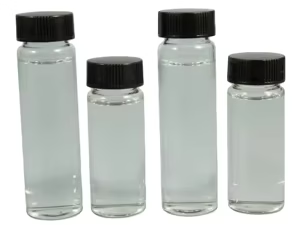
Appearance: Clear to pale yellow liquid (aliphatic); amber to brown liquid (aromatic)
-
Density (at 25°C): 1.15 – 1.19 g/cm³
-
Monomer content (free HDI / IPDI): <0.2% (low‑monomer grade for occupational safety compliance)
-
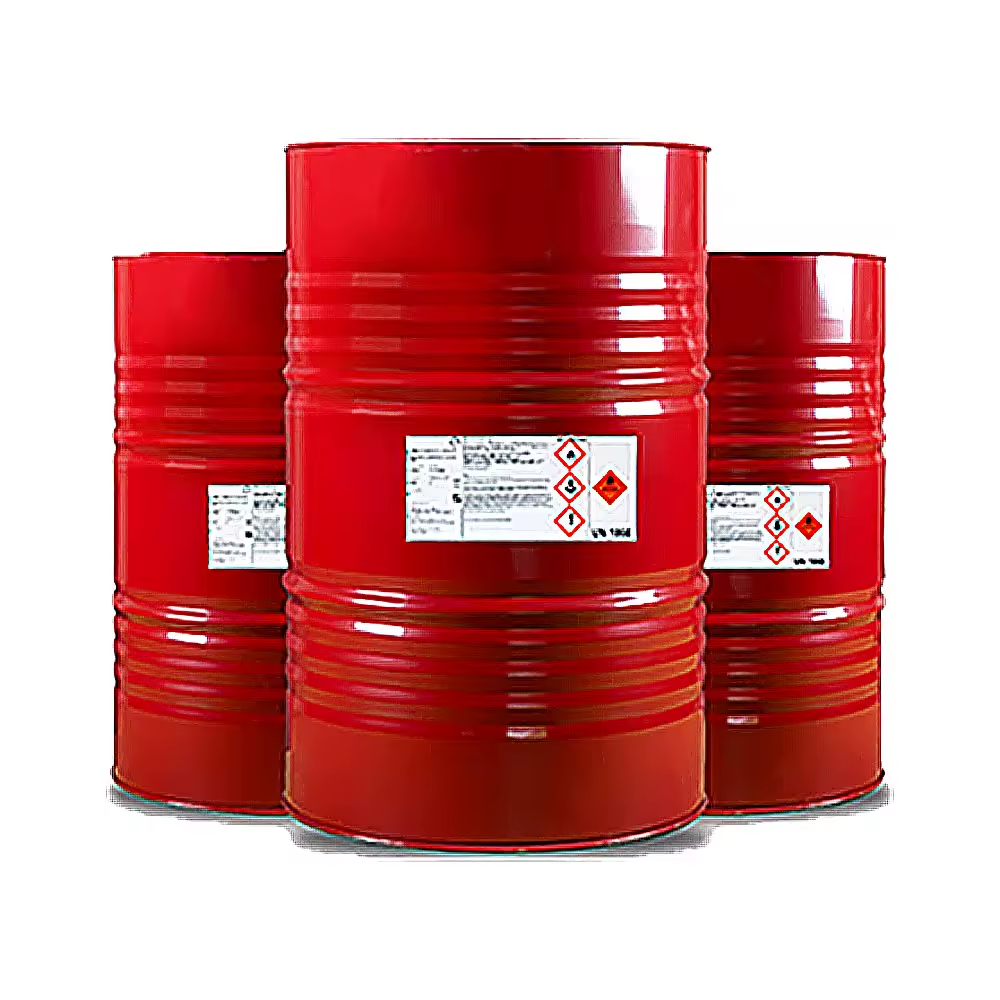
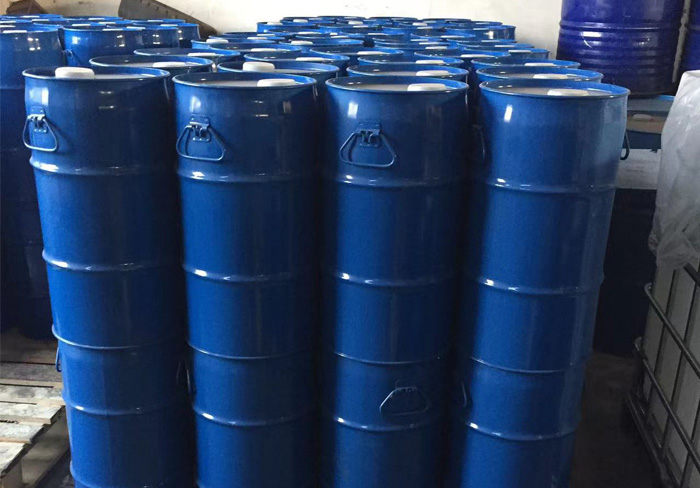
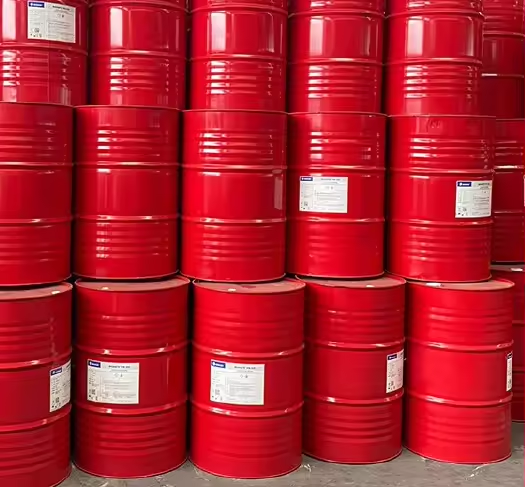
Packaging options: 250 kg net steel drums; 1,100 kg IBC totes; ISO tank containers (20 MT)
-
Shelf life: 12 months from production date when stored below 35°C in original sealed containers with moisture protection
3. Core Industrial Applications
-
Automotive OEM & refinish clearcoats: Provides exceptional gloss retention, scratch resistance, and UV stability (aliphatic grades) vs. polyester or epoxy alternatives, reducing re‑coating cycles by up to 40%.
-
Protective marine & industrial coatings: Superior corrosion resistance and adhesion to steel and concrete; outperforms single‑component moisture‑cure urethanes in high‑humidity environments (≥95% RH).
-
High‑performance structural adhesives (wind energy, aerospace): Enables tough, flexible bonds with impact resistance >50 kJ/m²; cures at ambient temperature, eliminating energy‑intensive oven curing.
-
Solvent‑free & waterborne 2K systems: Low viscosity allows formulators to reduce solvent content below 250 g/L (VOC), meeting EPA and EU EcoLabel standards without sacrificing pot life (>4 hours).
4. Competitive Advantages
-
Quality consistency: Batch‑to‑batch NCO content variation ≤±0.3% via real‑time FTIR monitoring; each shipment includes Certificate of Analysis (CoA) and reactivity profile.
-
Supply reliability: Dedicated production lines with 98.5% on‑time, in‑full (OTIF) delivery performance; three geographically redundant warehouses (Asia, EU, Americas) buffer against disruptions.
-
Logistics capability: ISO tank fleet equipped with nitrogen blanketing and moisture sensors; door‑to‑door temperature‑controlled shipping available.
-
Price competitiveness: Direct monomer integration (backward‑integrated HDI/PMDI production) reduces intermediary markups by 12–18% vs. spot market traders.
-
Sustainability: Low‑monomer grades (<0.1% free diisocyanate) enable REACH and TSCA compliance; mass‑balance certified bio‑based alternatives (up to 30% renewable carbon) available on request.
-
Technical support: On‑site application engineering, pot life optimization modeling, and compatibility testing with your resin systems (polyols, acrylics, polyesters) within 5 business days.
5. Commercial & Supply Information
-
Minimum Order Quantity (MOQ): 20 metric tons (MT) per shipment (standardization for efficient logistics and price optimization)
-
Loading capacity per 20‑ft container: 20 MT (ISO tank container) / 18 MT (palletized drums or IBCs)


Reviews
There are no reviews yet.