
Description
1. Product Overview
Polysulfide polymers are high-performance, liquid elastomeric resins characterized by exceptional resistance to fuels, solvents, ozone, and extreme weathering. They are primarily used as the reactive base for specialty sealants, coatings, and aerospace-grade adhesives. The key value proposition lies in their unmatched flexibility at low temperatures and superior impermeability to gases and hydrocarbons. Strategically, these polymers are critical for mission-critical sealing applications in aerospace, defense, and infrastructure—where material failure is not an option.
2. Key Specifications & Technical Characteristics
-
Chemical composition: Liquid polysulfide polymers (thiol-terminated or epoxy-modified), typically based on bis(2-chloroethyl) formal with sodium polysulfide
-
Purity grade: Industrial grade (≥98% active polymer content) and aerospace grade (≥99.5%) available
-
Physical characteristics:
-
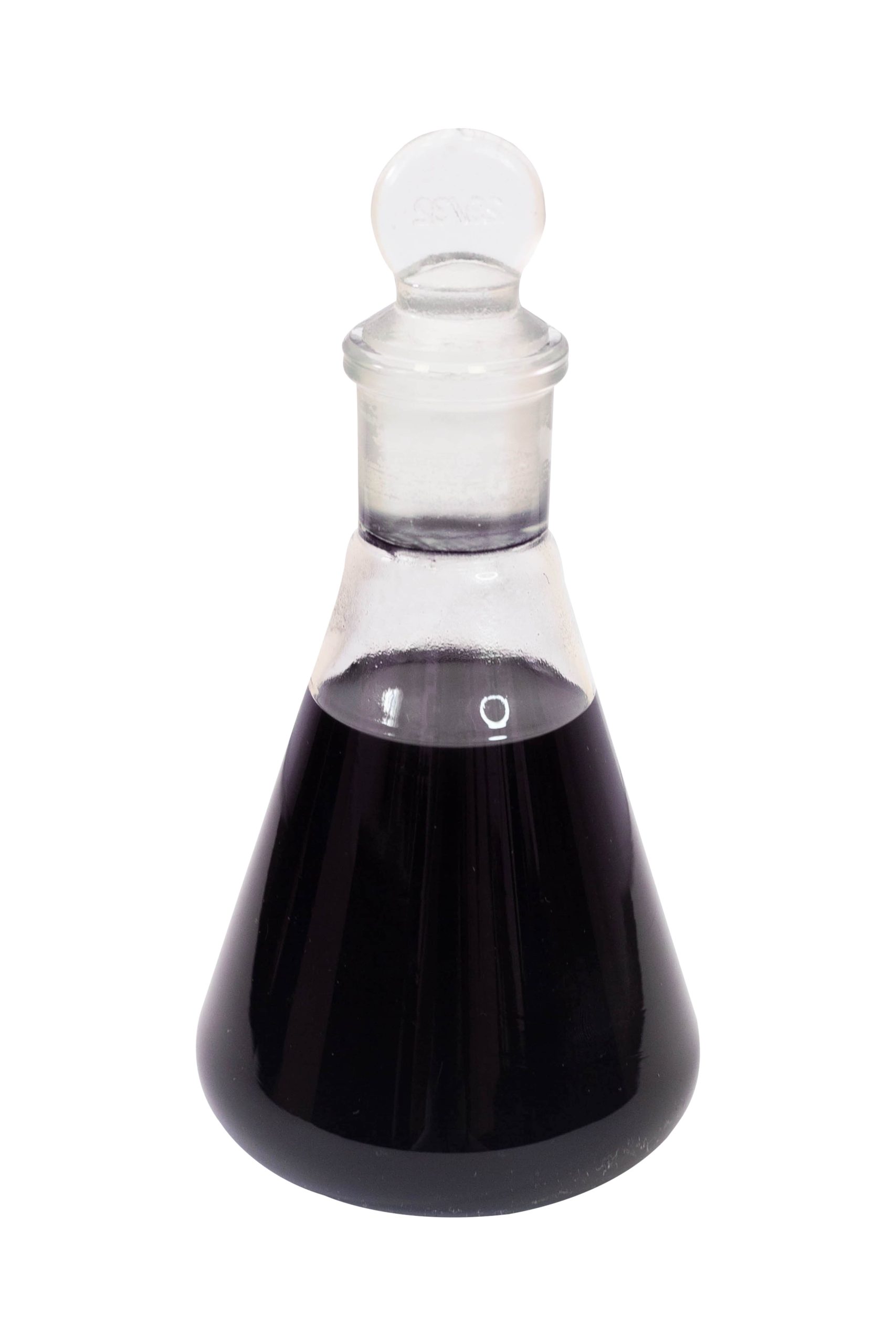
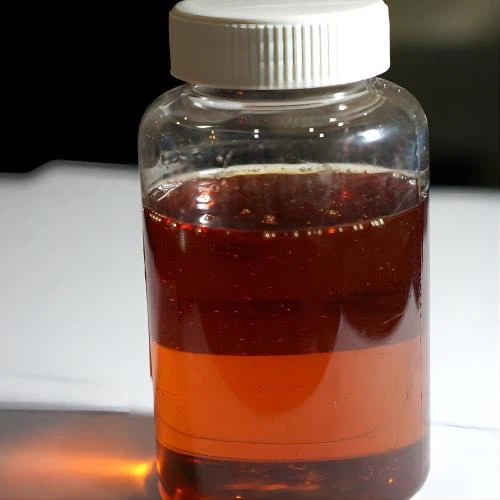
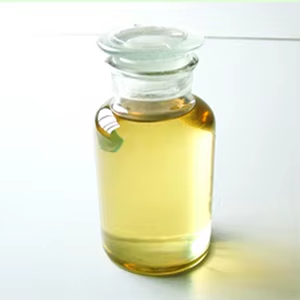
Form: Viscous amber-to-dark-brown liquid
-
Viscosity (at 25°C): 4,000–12,000 cP (grade-dependent)
-
Specific gravity: 1.13–1.31
-
Crosslinking potential: Adjustable via Mn (1,000–7,000 g/mol)
-
-
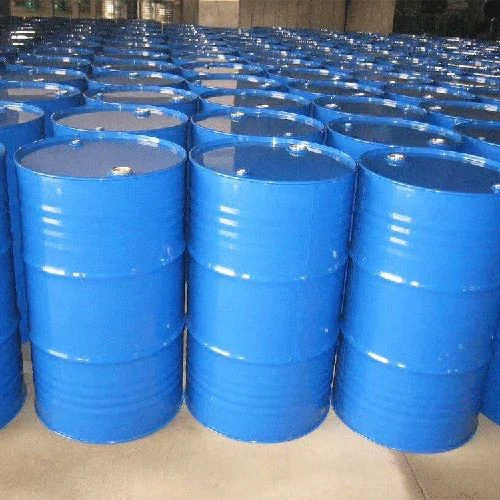
Packaging options: 20 kg pails, 200 kg steel drums, 1,000 kg IBC totes, and bulk isotanks
-
Shelf life: 12 months from date of manufacture when stored unopened at 5–30°C in original sealed containers
3. Core Industrial Applications
-
Aerospace & defense: Integral fuel tank sealants (wing and fuselage tanks) – provides unmatched fuel vapor barrier and low-temperature flexibility down to -55°C, outperforming polyurethanes and silicones.
-
Construction & glazing: Insulating glass (IG) unit secondary sealants – offers superior gas retention (argon/krypton) and moisture permeance, extending IG unit lifespan by >30% versus hot melts.
-
Marine & offshore: Deck joint sealants and oil-resistant coatings – resists seawater, diesel, and hydraulic fluids without swelling or embrittlement.
-
Electronics potting: Vibration-damping encapsulants for avionics – reduces microphonics and thermal cycling stress cracks.
-
Advantage: Unlike silicones (poor fuel resistance) or polyurethanes (hydrolytically unstable), polysulfide polymers maintain elastic recovery and adhesion over 20+ years in aggressive chemical environments.
4. Competitive Advantages
-
Quality consistency: ISO 9001:2025 and AS9100D certified production with batch-to-batch viscosity and –SH content controlled within ±3%.
-
Supply reliability: Dual-sourced raw materials and three redundant manufacturing sites (Americas, EMEA, Asia-Pacific).
-
Logistics capability: Global network of hazardous-material (Class 9) warehouses enabling 48-hour dispatch to major industrial hubs.
-
Price competitiveness: Tiered pricing for annual volumes above 500 MT; direct-from-manufacturer model eliminates distributor markups.
-
Sustainability: Mercury-free production process; polymer can be recycled into elastomeric fillers for non-critical gaskets.
-
Technical support: Full reactivity profiles, cure kinetics modeling, and ASTM test reports available via secure client portal within 2 hours of request.
5. Commercial & Supply Information
-
Minimum order quantity (MOQ):
-
Standard grade: 1 MT
-
Aerospace grade: 5 MT
-
-
BULK 20MT: Available for both grades with dedicated isotank filling and customs documentation
-
Loading capacity per 20 ft container:
-
80 drums (200 kg each) = 16 MT net
-
20 IBC totes (1,000 kg each) = 20 MT net
-



Reviews
There are no reviews yet.