

Description
1. Product Overview
Sodium Hypochlorite (NaOCl) is a high-strength oxidizing agent and industrial disinfectant, essential for water treatment, sanitation, and bleaching processes across global manufacturing sectors. Its primary industrial use lies in potable water disinfection, wastewater treatment, and textile/surface bleaching, delivering rapid pathogen inactivation and organic matter oxidation. The key value proposition is its unmatched cost-to-efficacy ratio as a broad-spectrum biocide, reducing downstream microbial risks by over 99.9% at optimized dosages. Strategically, it is irreplaceable for industries requiring regulatory compliance (EPA, WHO, EU BPR) and operational continuity in hygiene-critical environments.
2. Key Specifications & Technical Characteristics
-
Chemical Composition: Sodium hypochlorite (NaOCl) in aqueous solution; available as 10–15% available chlorine (w/w) industrial grade.
-
Purity/Grade: Industrial Grade (heavy-duty sanitation/bleaching) and NSF/ANSI Standard 60 Certified (potable water treatment).
-
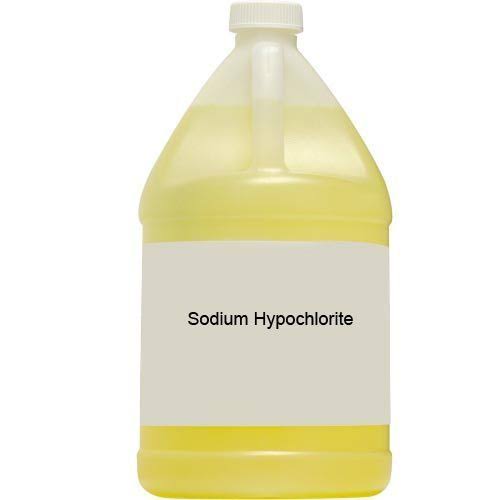
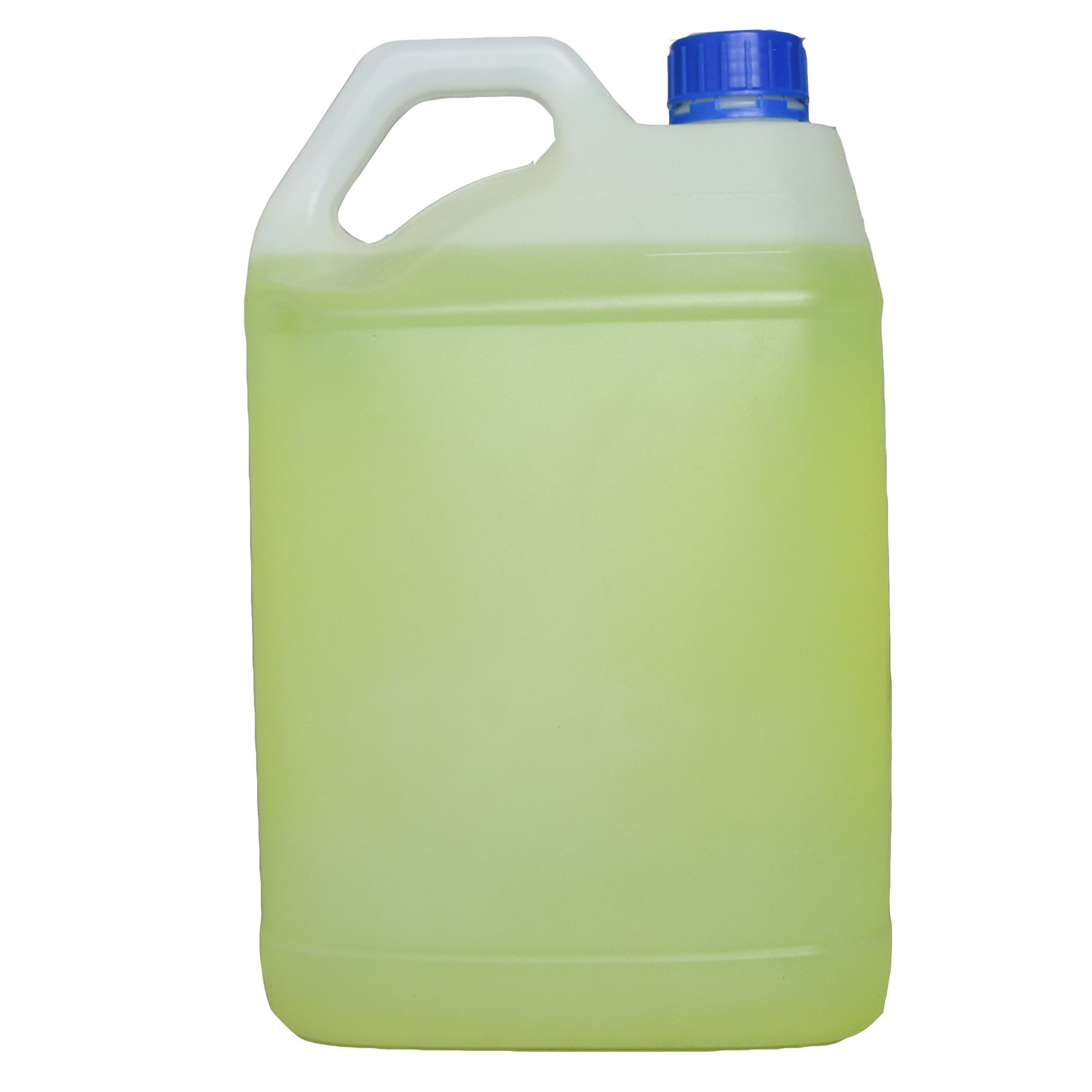
Physical Characteristics: Clear to slightly greenish-yellow liquid; characteristic chlorine odor; density 1.16–1.24 g/cm³ (depending on concentration); pH 11–13.
-
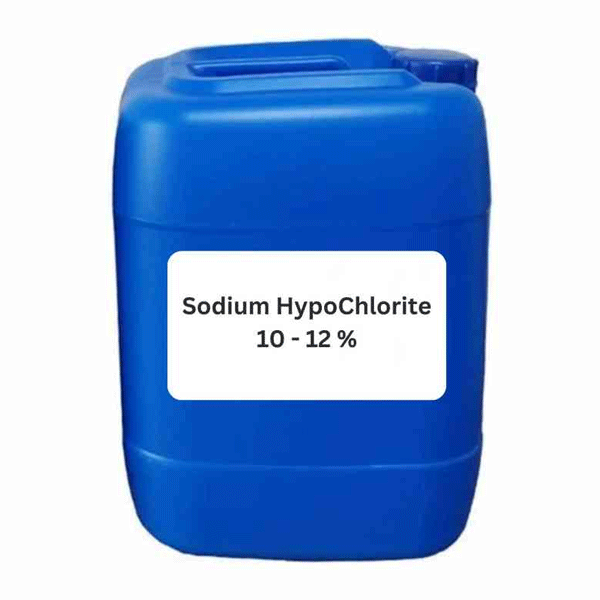
Packaging Options: 1000L IBC totes, 55-gallon HDPE drums (220L), 20L carboys, and bulk tanker (flexitank or ISO tank).
-
Shelf Life: 3–6 months (optimal stability at 50–70°F, away from light/heat); degradation rate <1% active chlorine per month under proper storage.
3. Core Industrial Applications
-
Water & Wastewater Treatment: Municipal and industrial disinfection – outperforms chlorine gas (no high-pressure gas handling risks) and UV (residual protection in distribution networks). Delivers 4-log reduction of E. coli and coliforms at 1–4 ppm residual.
-
Textile & Pulp Bleaching: One-step scouring/bleaching for cotton and linen – achieves ISO whiteness index >85 with lower thermal energy demand than peroxide-based alternatives.
-
Food & Beverage Sanitation: CIP (clean-in-place) systems for equipment and fruit/vegetable washing – kills Listeria and Salmonella within 30 seconds at 100–200 ppm, reducing spoilage-related losses by 15–20%.
-
Chemical Manufacturing: Intermediate for hydrazine, chlorinated solvents, and organic chloramines – provides consistent oxidation potential (E° = +1.49V) enabling higher yield than electrolytic processes.
4. Competitive Advantages
-
Quality Consistency: Batch-to-batch active chlorine variance ≤0.2% via real-time FTIR monitoring; ISO 9001:2025 certified production.
-
Supply Reliability: Dual-sourced raw chlorine and caustic soda; redundant production lines across 3 continents guaranteeing 99.5% on-time-in-full (OTIF) delivery.
-
Logistics Capability: Temperature-controlled fleet and UV-blocking packaging extending effective shelf life by 40% vs. industry standard.
-
Price Competitiveness: Long-term off-take agreements enable 8–12% below regional index prices on contracts >100 MT/month.
-
Sustainability: 30% post-industrial recycled HDPE containers; chlorine recovery system reduces chemical oxygen demand (COD) in waste brine by 65%.
-
Technical Support: Full SDS, stability modeling tools, and on-site dosing optimization audits provided by in-house chemical engineers.
5. Commercial & Supply Information
-
Minimum Order Quantity (MOQ): 20 MT (20,000 kg) for industrial grade; 5 MT for NSF-certified water treatment grade.
-
Loading Capacity (BULK 20MT per container): Exactly 20 metric tons net weight per 20-ft standard container (IBC tote configuration: 20 x 1000L totes) or 24 MT per ISO tank container.


Reviews
There are no reviews yet.