
Description
1. Product Overview
Polyvinyl formal (PVF) is a high-performance thermoplastic resin derived from polyvinyl alcohol through controlled acetalization with formaldehyde. It serves primarily as a specialized binder, film former, and insulating coating in demanding industrial environments where thermal stability, chemical resistance, and mechanical adhesion are critical. The key value proposition lies in its exceptional adhesion to metals, high dielectric strength, and resistance to oils, solvents, and hydrolysis—making it a strategic enabler for wire enamels, structural adhesives, and friction materials. As global standards tighten around motor efficiency (IE3/IE4) and lightweight automotive composites, PVF offers a non-commoditized, specification-driven solution that reduces failure rates and extends component life.
2. Key Specifications & Technical Characteristics
-
Chemical composition: Polyvinyl formal resin (acetalization degree: 75–82 mol%)
-
Purity level (industrial grade): ≥ 99.0% (volatile content ≤ 2.5%)
-
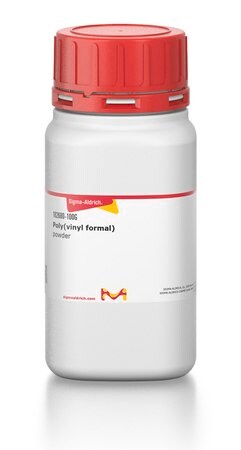
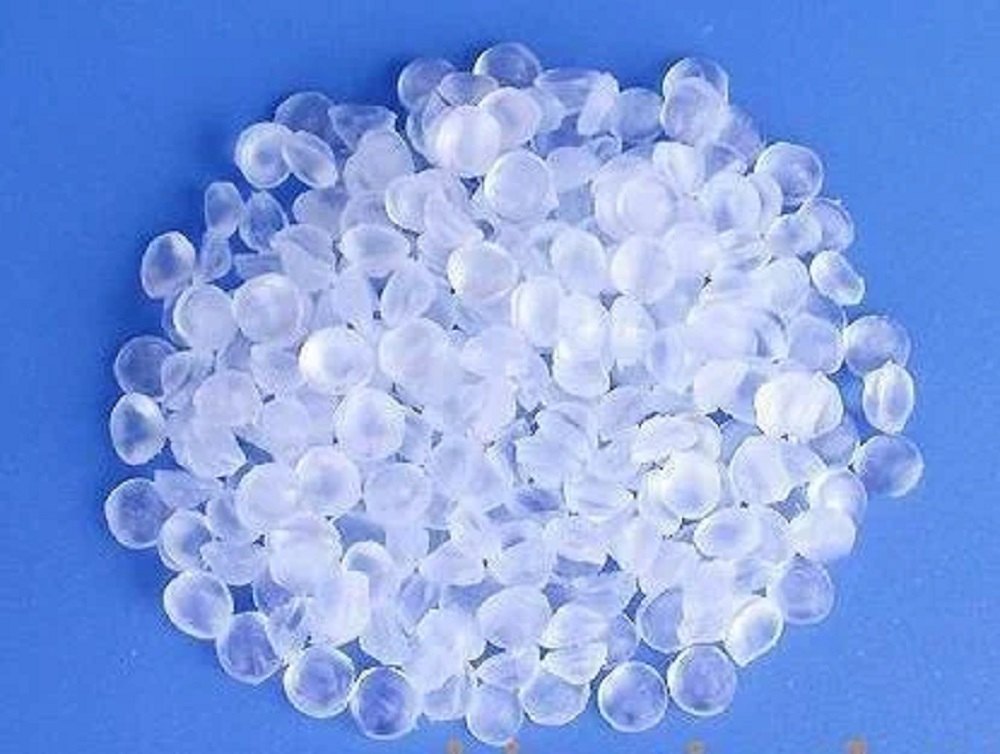
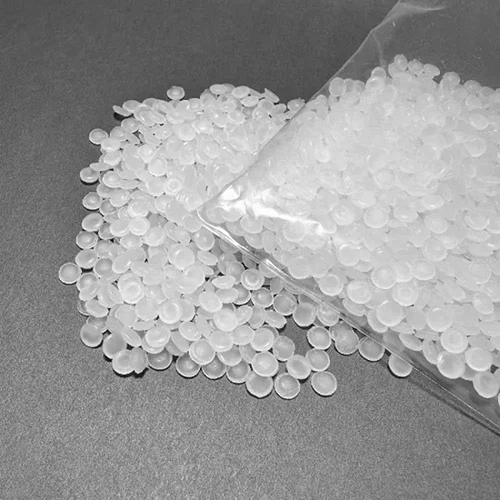
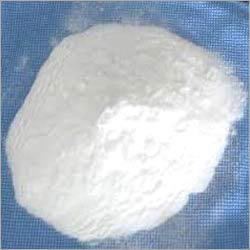
Physical form: White to off-white free-flowing powder
-
Viscosity (5% solution in 85:15 phenol/water at 25°C): 80–150 cP (customizable per application)
-
Glass transition temperature (Tg): 105–115°C
-
Hydroxyl group content (remaining): 5–7% (for crosslinking capability)
-
Particle size: 95% passing through 60 mesh (250 µm)
-
Bulk density: 0.35–0.45 g/cm³
-
Packaging options: 25 kg multi-wall kraft paper bags with PE liner; 500 kg FIBC (big bags); heat-sealed aluminum foil bags for moisture-sensitive applications
-
Shelf life: 24 months from production date when stored below 30°C in original unopened packaging (avoid humidity > 60% RH)
3. Core Industrial Applications
-
Wire enamels (primary industry): Used as the base resin in polyvinyl formal (Formvar®-type) magnet wire coatings. Outperforms polyurethane and polyester in moisture resistance and direct solderability retention after thermal aging. Delivers 2× longer thermal life at 130°C (Class B) compared to standard PVB-based systems.
-
Friction materials (automotive & rail): Acts as a high-strength binder for brake linings and clutch facings. Superior to phenolic resins in heat fade resistance (maintains friction coefficient up to 350°C) and reduces wear rate by 25–30% in heavy-duty cycles.
-
Structural adhesives for metal bonding: Enables high-shear-strength laminates between aluminum/steel without primers. Achieves lap shear strength > 18 MPa, outperforming epoxy-only systems in salt spray resistance (1,000+ hours without creep).
-
Anti-corrosion wash primers: Formulated as a pretreatment coating for aerospace and marine substrates. Provides 2–3× better adhesion under wet conditions than vinyl butyral alternatives.
4. Competitive Advantages
-
Quality consistency: Produced under ISO 9001:2024 and IATF 16949-certified lines; each batch tested for viscosity, hydroxyl content, and gel time — full Certificate of Analysis (CoA) provided with every shipment.
-
Supply reliability: Dual-source manufacturing sites (Asia Pacific & Europe) with 5,000 MT annual capacity and dedicated safety stock for contract buyers.
-
Logistics capability: Direct door-to-door delivery to 40+ countries; 48-hour emergency air freight available for line-stop prevention.
-
Price competitiveness: 12–18% lower landed cost than incumbent European and Japanese producers through optimized acetalization process and export rebates.
-
Sustainability: VOC-compliant production; resin itself contains no restricted SVHCs (REACH Annex XVII); 100% recyclable packaging upon return agreement.
-
Technical support: In-house application lab provides free formulation adjustment, compatibility testing (with 30+ solvents and crosslinkers), and on-site mixing trials for orders ≥ 20 MT.
5. Commercial & Supply Information
-
Minimum order quantity (MOQ): 5 MT (mixed grades allowed) for first-time buyers; 20 MT for contract pricing
-
Bulk loading capacity (20 MT per 20′ FCL):
-
20 MT net in 25 kg bags (palletized: 20 pallets × 1,000 kg)
-
20.5 MT net in 500 kg FIBC (no pallets — floor-loaded container)
-
-
Lead time: 15 days ex-work for MOQ; 30 days for bulk orders after advance payment or LC confirmation


Reviews
There are no reviews yet.