
Description
1. Product Overview
Tris(2-chloroethyl) phosphate (TCEP) is a high-purity, halogenated organophosphate flame retardant and plasticizer, engineered for rigorous industrial applications where stringent flammability standards must be met. It is primarily used as an additive in rigid and flexible polyurethane foams, unsaturated polyesters, and engineering textiles to suppress combustion and limit smoke propagation. The key value proposition lies in its exceptional hydrolysis stability, high chlorine content (approx. 37%), and cost-efficient flame inhibition mechanism. Strategically, TCEP remains critical for industries requiring reliable, non-reactive flame retardancy—especially in building insulation, automotive seating, and coated fabrics—where regulatory compliance and fail-safe material performance are non-negotiable.
2. Key Specifications & Technical Characteristics
-
Chemical composition: Tris(2-chloroethyl) phosphate, C6H12Cl3O4P, CAS No. 115-96-8
-
Purity level: ≥ 95.0% (standard industrial grade); premium grade ≥ 97.0% available upon request
-
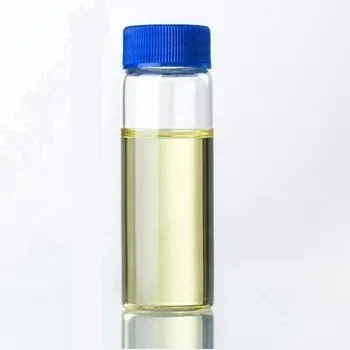
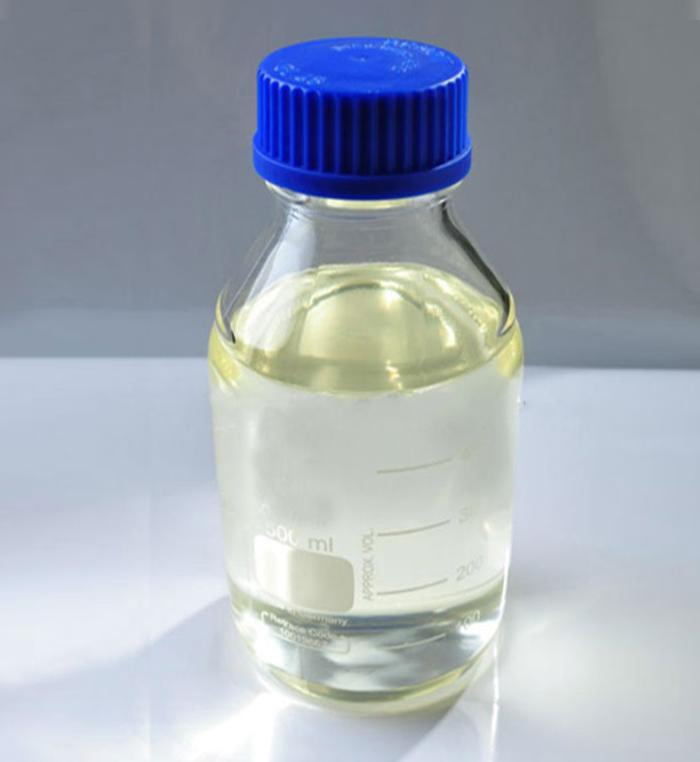
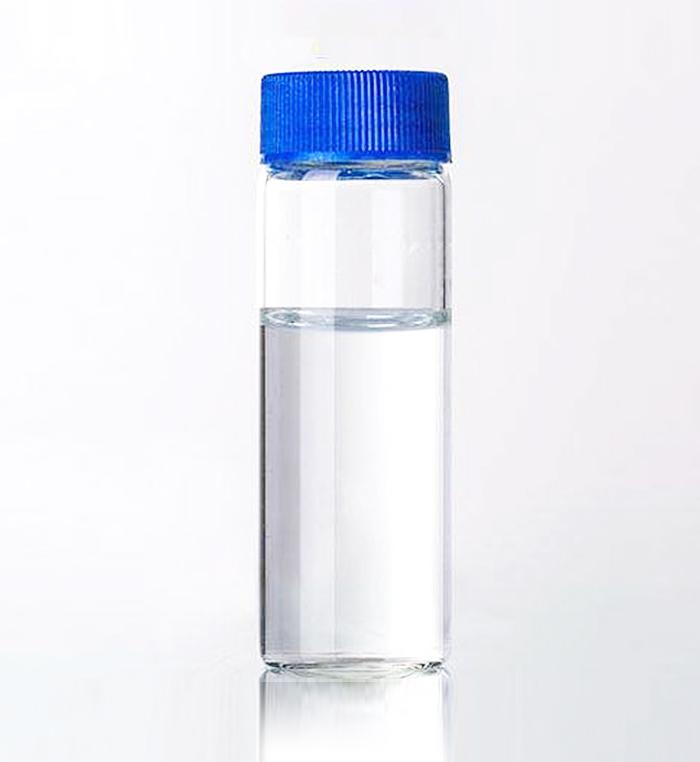
Physical characteristics: Clear, colorless to pale yellow viscous liquid; negligible particulate matter
-
Viscosity: 38–48 cPs at 25°C
-
Density: 1.41–1.43 g/cm³ at 20°C
-
Water content: ≤ 0.10%
-
Acid value: ≤ 0.10 mg KOH/g
-
Packaging options: 250 kg net new steel drums, 1,200 kg IBC totes, and bulk ISO tank containers (20 MT)
-
Shelf life: 24 months when stored in original sealed containers, away from moisture and direct heat (below 50°C)
3. Core Industrial Applications
-
Polyurethane foams (rigid & flexible): Used at 5–15% loading to achieve UL 94 HF-1 rating for construction insulation panels and spray foams. Outperforms non-halogenated alternatives in thin-section applications where low loading cost is critical.
-
Engineering textiles & coated fabrics: Applied in PVC-based tarpaulins, conveyor belts, and artificial leather. TCEP provides superior migration resistance compared to TCPP in high-humidity environments.
-
Unsaturated polyesters & epoxies: For fiberglass-reinforced panels (FRP) in marine and automotive parts. Delivers consistent flame spread index (ASTM E84) while maintaining process viscosity.
-
Adhesives & sealants: Reduces smoke density (NBS smoke chamber) without compromising open time or bond strength.
Why better than alternatives: TCEP offers lower cost per unit phosphorus-chlorine synergy than RDP or BDP; superior hydrolytic stability over TCPP in high-moisture curing systems; and non-reactive character eliminates premature gelation.
4. Competitive Advantages
-
Quality consistency: ISO 9001:2015 certified production with batch-to-batch GC-MS traceability; heavy metals (Pb, Cd, Hg) below RoHS detection limits.
-
Supply reliability: Dual-sourced raw material chain and buffer stock of 200+ MT in regional hubs (Rotterdam, Houston, Shanghai) – guaranteed 98% on-time in-full delivery.
-
Logistics capability: Fully compliant with IMDG Class 9 hazardous goods transport; UN 3082 certified packaging; temperature-controlled container options.
-
Price competitiveness: Direct-from-manufacturer pricing with no trader markup; volume-based tiered discounts.
-
Sustainability: TCEP is non-brominated, enabling downstream compliance with WEEE and E-waste regulations. Technical data sheets and REACH/UK REACH annexes available for immediate download.
5. Commercial & Supply Information
-
Minimum Order Quantity (MOQ): 20 MT (bulk ISO tank or 80 drums)
-
Loading capacity per 20 ft container: 20 MT net (bulk tank); or 18 MT (72 drums palletized) per 20 ft general purpose container


Reviews
There are no reviews yet.