

Description
1. Product Overview
This high-performance Cerium Oxide is a precision-engineered rare earth material optimized for two distinct high-value industrial pathways: catalytic emission control and precision surface finishing. Its unique dual functionality—combining oxygen storage capacity (OSC) for automotive catalysts with controlled abrasive hardness for optical polishing—delivers operational versatility and supply chain efficiency. In an era of tightening emissions regulations and rising demand for high-precision optics, this product represents a strategic enabler for manufacturers seeking both regulatory compliance and superior surface quality.
2. Key Specifications & Technical Characteristics
-
Chemical Composition: CeO₂ (minimum 99.5% purity), with controlled levels of La₂O₃, Pr₂O₃, and Nd₂O₃
-
Purity Grade: Catalytic grade: ≥99.5%; Polishing grade: ≥99.9% (customizable to 99.99%)
-
Physical Form: Fine powder (polishing grade) or high-surface-area microspheres (catalytic grade)
-
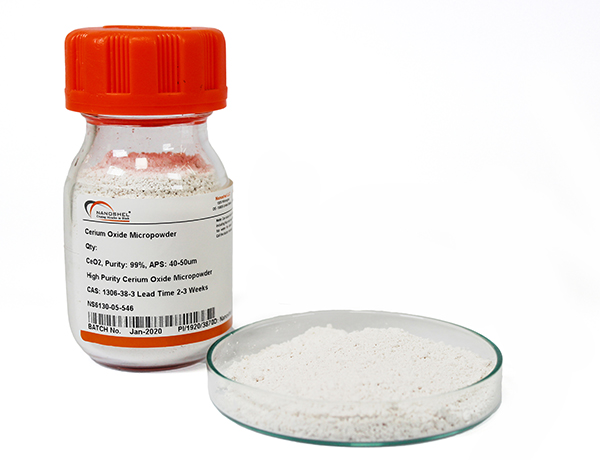
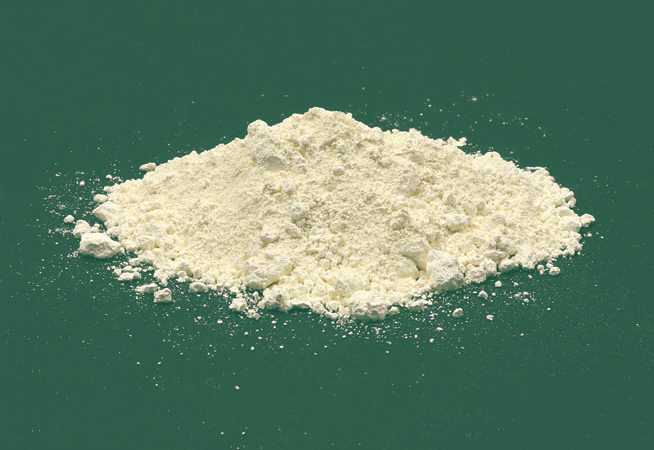
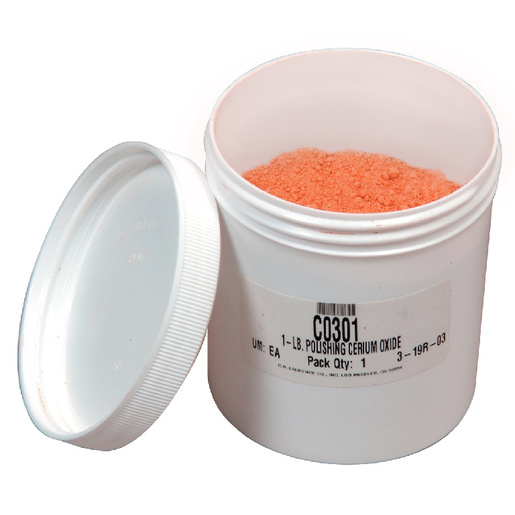
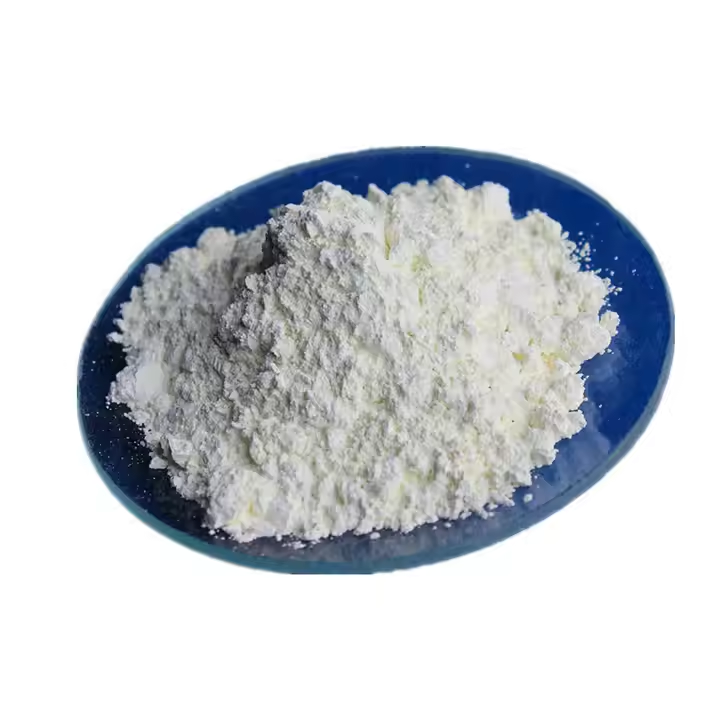
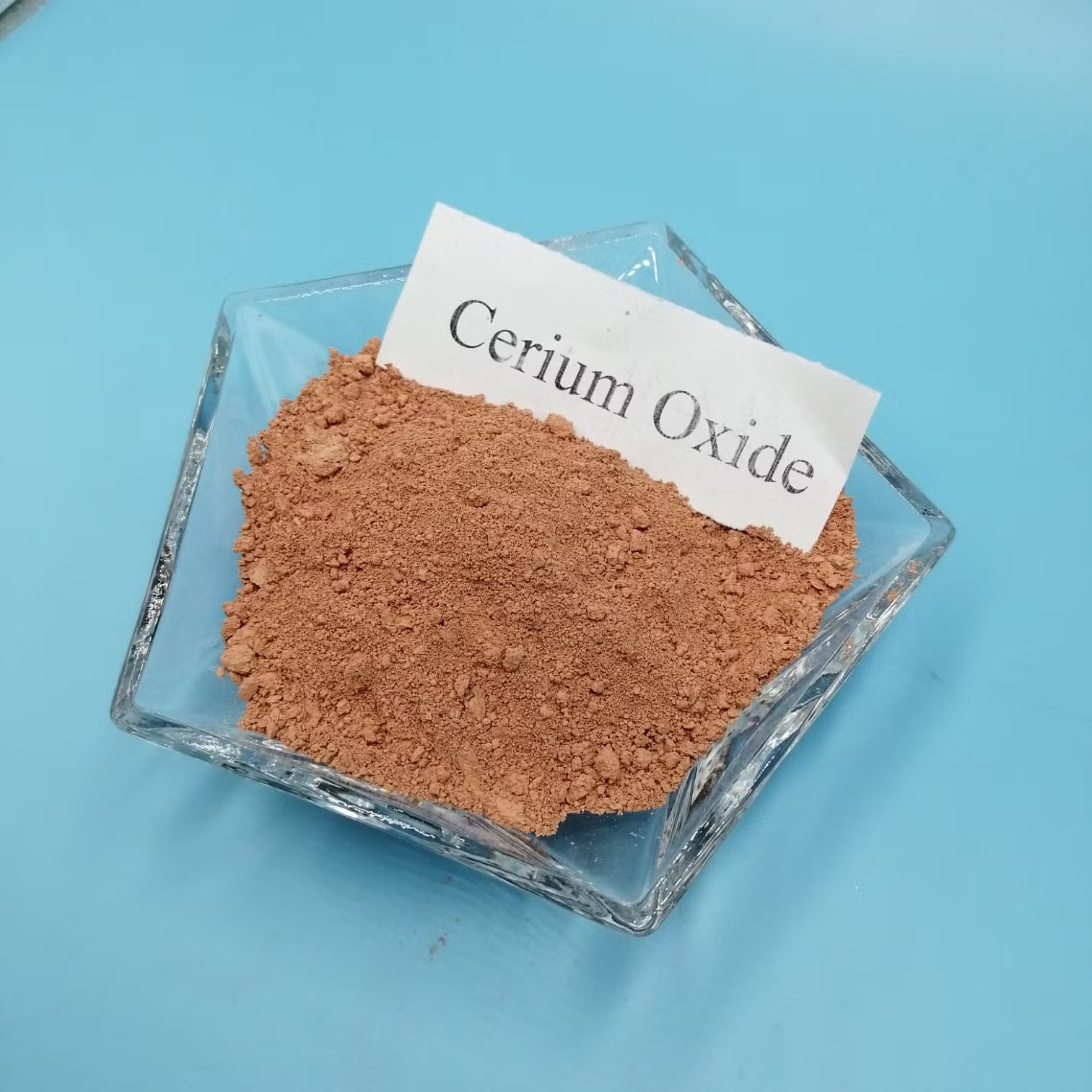
Appearance: Pale yellow to off-white homogeneous powder
-
Particle Size (D50): Polishing: 0.5–1.5 µm; Catalytic: 5–20 µm (tunable)
-
Specific Surface Area (BET): Catalytic grade: 80–120 m²/g
-
Tap Density: 1.8–2.2 g/cm³
-
Packaging Options: 25 kg sealed polyethylene-lined drums, 500 kg FIBC bags, or customer-specified
-
Shelf Life: 24 months in original unopened packaging, stored in dry conditions (<50% RH)
3. Core Industrial Applications
-
Automotive Catalytic Converters (Three-Way Catalysts – TWC): Utilized for its exceptional oxygen storage/release capacity, improving NOx, CO, and HC conversion efficiency by 15–20% versus non-ceria formulations. Performs reliably under cyclic lean-rich engine conditions.
-
Precision Optical Polishing (Lenses, LCD Glass, Semiconductor Wafers): Delivers defect-free surface finishing (Ra <0.5 nm) due to controlled particle hardness and uniform morphology. Reduces polishing time by up to 30% compared to alumina or zirconia alternatives.
-
CMP Slurries (Chemical Mechanical Planarization): Enables high removal rates with minimal microscratches on dielectric and metal layers in semiconductor fabrication.
-
Glass & Mirror Finishing (High-end automotive mirrors, architectural glass): Provides superior clarity and scratch resistance with lower slurry consumption.
Why better: Higher removal rate with lower defect density; tunable particle size eliminates secondary rework; longer pad life in CMP processes.
4. Competitive Advantages
-
Quality Consistency: ISO 9001:2025 certified production with SPC monitoring; batch-to-batch CeO₂ purity variation <0.1%; each shipment includes ICP-OES and XRD certificates.
-
Supply Reliability: Backed by long-term rare earth feedstock agreements (La/Ce carbonate) from diversified, conflict-free sources. Typical lead time: 15 days for standard grades.
-
Logistics Capability: Dedicated hazardous material warehousing in three regional hubs (Asia, Europe, North America) ensuring 98% on-time-in-full delivery.
-
Price Competitiveness: Direct from integrated refiner – no intermediary markups. Volume pricing 8–12% below European and Japanese benchmark equivalents.
-
Sustainability: 94% of process water recycled; zero liquid discharge facility; compliant with EU Conflict Minerals Regulation and REACH.
-
Technical Support: In-house application engineers provide free particle size optimization trials and CMP slurry formulation consulting.
5. Commercial & Supply Information
-
Minimum Order Quantity (MOQ): 1 metric ton (MT) for standard polishing or catalytic grade
-
BULK 20MT Loading Capacity: 20 MT per 20-foot dry container (FIBC bags on pallets, stow factor optimized)
-
Pricing: Available upon request based on grade, volume, and delivery incoterm (FOB, CIF, CFR)
-
Sample policy: 1 kg free sample for qualified buyers; shipping charges apply


Reviews
There are no reviews yet.