

Description
- Product Overview
Trimethylolpropane (TMP) is a high-purity, trifunctional aliphatic polyol widely used as a key intermediate in advanced chemical synthesis. It serves primarily as a core building block in the production of alkyd resins, polyurethanes, synthetic lubricants, and high-performance esters. Its unique molecular structure provides superior reactivity, thermal stability, and chemical resistance, making it indispensable in high-value industrial formulations. TMP plays a strategically important role in enabling durable coatings, energy-efficient lubricants, and long-life polymer systems across global manufacturing value chains. - Key Specifications & Technical Characteristics
- Chemical composition: C₆H₁₄O₃ (Trimethylolpropane)
- Purity level: ≥ 99% (industrial / technical grade available)
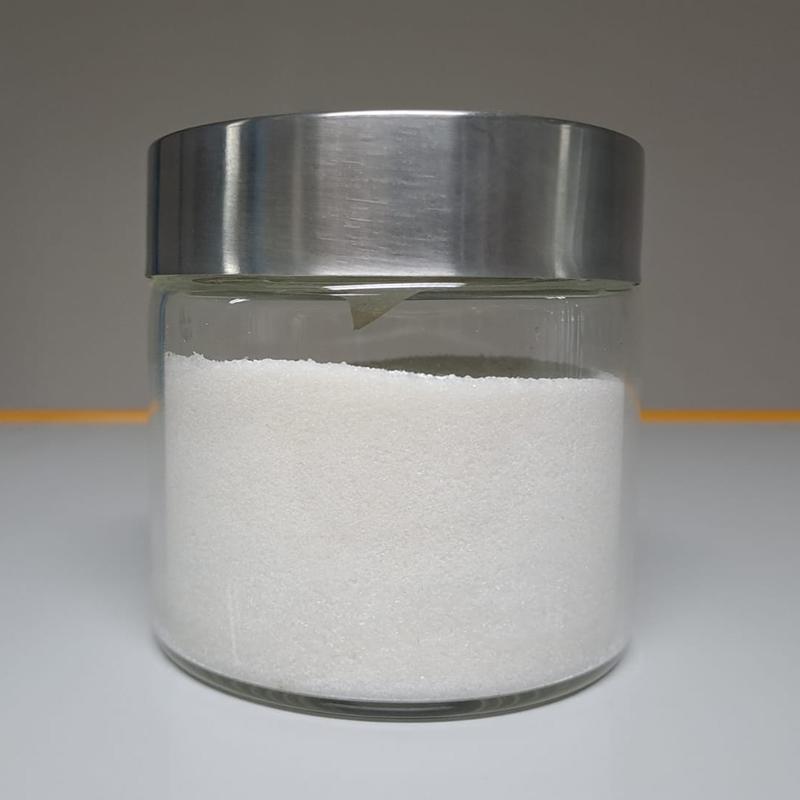
- Physical form: White crystalline solid (flakes or powder form)
- Odor: Odorless to faint characteristic odor
- Melting point: 58–60°C
- Density: ~1.06 g/cm³ (at 20°C)
- Solubility: Soluble in water and alcohols; compatible with organic solvents
- Packaging options: 25 kg bags, 500 kg jumbo bags, customized bulk packaging
- Shelf life: 24 months under cool, dry storage conditions
- Core Industrial Applications
TMP is extensively used across chemical-intensive industries including coatings, lubricants, adhesives, plastics, and polyurethanes. In alkyd resin production, it enhances film hardness, gloss retention, and weather resistance, making it ideal for architectural and industrial coatings. In synthetic lubricants, TMP-based esters deliver superior thermal stability, oxidation resistance, and low volatility, significantly improving equipment performance and lifespan. It also functions as a critical intermediate in polyurethane systems, improving elasticity, durability, and chemical resistance compared to mono- and di-functional alternatives. - Competitive Advantages
- High functionality (trifunctional alcohol) enabling superior crosslinking performance
- Consistent high purity ensuring predictable industrial processing outcomes
- Strong thermal and oxidative stability for demanding applications
- Enhanced formulation efficiency reducing overall production costs
- Reliable global supply chain with scalable bulk availability
- Compatibility with a wide range of industrial resins and esters
- Comprehensive technical documentation and quality assurance support
- Environmentally favorable performance in long-life, low-emission lubricant systems
- Commercial & Supply Information
- Minimum Order Quantity (MOQ): BULK 20 MT
- Loading Capacity: 20–22 MT per 20ft container (depending on packaging configuration)


Reviews
There are no reviews yet.