

Description
1. Product Overview
Perfluorooctanesulfonic acid (PFOS) is a high-performance fluorinated surfactant and specialty chemical belonging to the per- and polyfluoroalkyl substances (PFAS) family. It is widely recognized for its exceptional thermal stability, chemical resistance, and surface-active properties. Historically, PFOS has been used in advanced industrial formulations requiring extreme durability and water/oil repellency performance. In modern supply chains, it remains strategically important for niche legacy applications, analytical standards, and controlled industrial processes where fluorochemical performance is critical. Its significance lies in its unmatched molecular stability and functionality in demanding chemical environments.
2. Key Specifications & Technical Characteristics
- Chemical Composition: C₈F₁₇SO₃H (Perfluorooctanesulfonic acid)
- Purity Level: ≥95% (industrial / technical grade; higher purities available upon request)
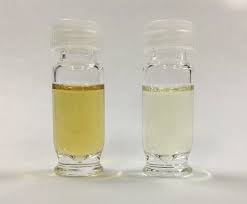
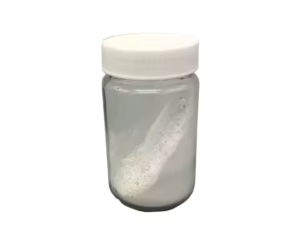
- Physical Form: Off-white to pale yellow crystalline solid or aqueous solution (depending on formulation)
- Molecular Characteristics: Highly fluorinated sulfonic acid with strong hydrophobic and lipophobic behavior
- Density: ~1.8–2.0 g/cm³ (approx., grade dependent)
- Solubility: Limited in water; enhanced in polar organic systems depending on salt form
- Packaging Options:
- 25 kg fluoropolymer-lined HDPE drums
- 50 kg sealed industrial containers
- Custom bulk packaging under controlled handling conditions
- Shelf Life: 24–36 months under sealed, dry, and temperature-stable storage conditions
3. Core Industrial Applications
- Specialty Chemical Manufacturing: Intermediate in fluorochemical synthesis and formulation of high-performance surfactants
- Surface Treatment Industry: Used in legacy coatings requiring extreme oil, water, and stain resistance
- Electronics & Semiconductor Processes: Niche applications in photoresist and etching-related surface modification systems
- Fire-Fighting Foam (AFFF legacy systems): Previously used in high-performance firefighting formulations (subject to regulatory controls)
- Analytical & Research Use: Reference material for PFAS testing, environmental monitoring, and laboratory calibration
PFOS delivers superior molecular stability and surface activity compared to conventional hydrocarbon surfactants, making it effective in environments requiring extreme resistance to degradation, heat, and chemical exposure.
4. Competitive Advantages
- Exceptional Chemical Stability: Maintains performance under extreme thermal and chemical stress
- High Surface Activity: Superior wetting, spreading, and repellency characteristics
- Batch-to-Batch Consistency: Tight process control ensures reliable industrial performance
- Global Supply Capability: Scalable sourcing and export-grade logistics support
- Technical Documentation Support: COA, MSDS, and regulatory compliance documentation available upon request
- Industrial-Grade Reliability: Designed for controlled, high-specification applications requiring predictable performance
- Custom Packaging & Handling Solutions: Adapted to regulatory and transport requirements across regions
5. Commercial & Supply Information
- Minimum Order Quantity (MOQ): BULK 20 MT
- Loading Capacity: 20–22 MT per 20-foot container (depending on packaging configuration and regulatory limits)
- Supply Form: Solid / solution-based formulations available based on buyer specification
- Incoterms: FOB, CIF, and EXW available upon request
- Lead Time: 2–6 weeks depending on order volume and specification requirements
- Documentation: Full export compliance package provided for international shipments

Reviews
There are no reviews yet.