

Description
- Product Overview
Bisphenol S (BPS) is a high-performance aromatic sulfone compound widely used as a key intermediate in advanced polymer, resin, and specialty chemical manufacturing. It serves primarily as a critical building block in the production of high-temperature-resistant polymers, epoxy resins, and engineering plastics. The product delivers exceptional thermal stability, chemical resistance, and structural integrity, making it a strategic substitute and complement to traditional bisphenol-based chemistries. Its growing industrial relevance is driven by increasing demand for high-durability materials across electronics, coatings, and precision industrial applications. - Key Specifications & Technical Characteristics
- Chemical Name: 4,4′-Sulfonyldiphenol (Bisphenol S)
- Molecular Formula: C12H10O4S
- Purity Level: ≥ 99% (industrial grade / polymer grade available)
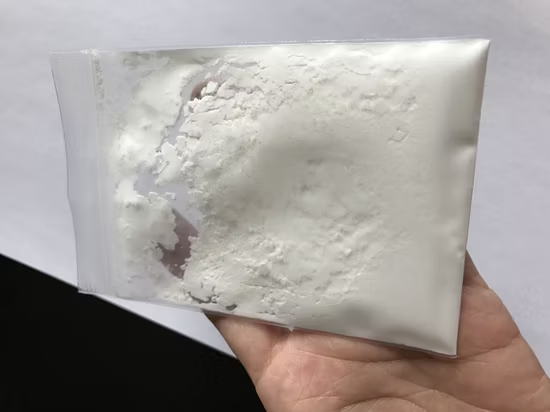
- Physical Form: White crystalline powder
- Odor: Odorless to faint aromatic
- Melting Point: ~245–250°C
- Solubility: Slightly soluble in water; soluble in organic solvents
- Bulk Density: ~0.5–0.7 g/cm³ (typical)
- Packaging Options: 25 kg fiber drums or laminated HDPE bags with inner liners
- Shelf Life: 24 months under recommended storage conditions (cool, dry, sealed environment)
- Core Industrial Applications
Bisphenol S is extensively utilized across high-value industrial manufacturing sectors. In polymer production, it functions as a monomer for high-performance polysulfones and engineering plastics requiring superior thermal and mechanical stability. In the coatings and adhesives industry, it enhances chemical resistance, adhesion strength, and durability under extreme operating conditions. It is also used in epoxy resin systems for electrical and electronic components where heat resistance and dimensional stability are critical. Compared to conventional bisphenols, BPS offers improved thermal resilience and better structural performance in demanding industrial environments, making it a preferred choice for next-generation materials engineering. - Competitive Advantages
- High chemical purity ensuring consistent polymerization performance
- Reliable large-scale production capacity supporting uninterrupted supply chains
- Stable global sourcing network enabling dependable logistics execution
- Competitive pricing structure optimized for bulk industrial procurement
- Strong thermal and chemical resistance outperforming standard bisphenol alternatives in advanced applications
- Environmentally optimized manufacturing pathways with reduced process impurities
- Comprehensive technical documentation and quality assurance support for industrial buyers
- Commercial & Supply Information
- Minimum Order Quantity (MOQ): BULK 20 MT
- Loading Capacity: Approximately 20–22 MT per 20-foot container (depending on packaging configuration and regional shipping regulations)



Reviews
There are no reviews yet.