

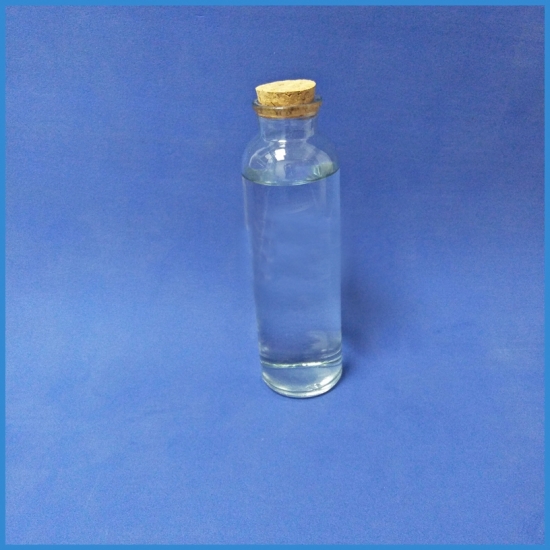

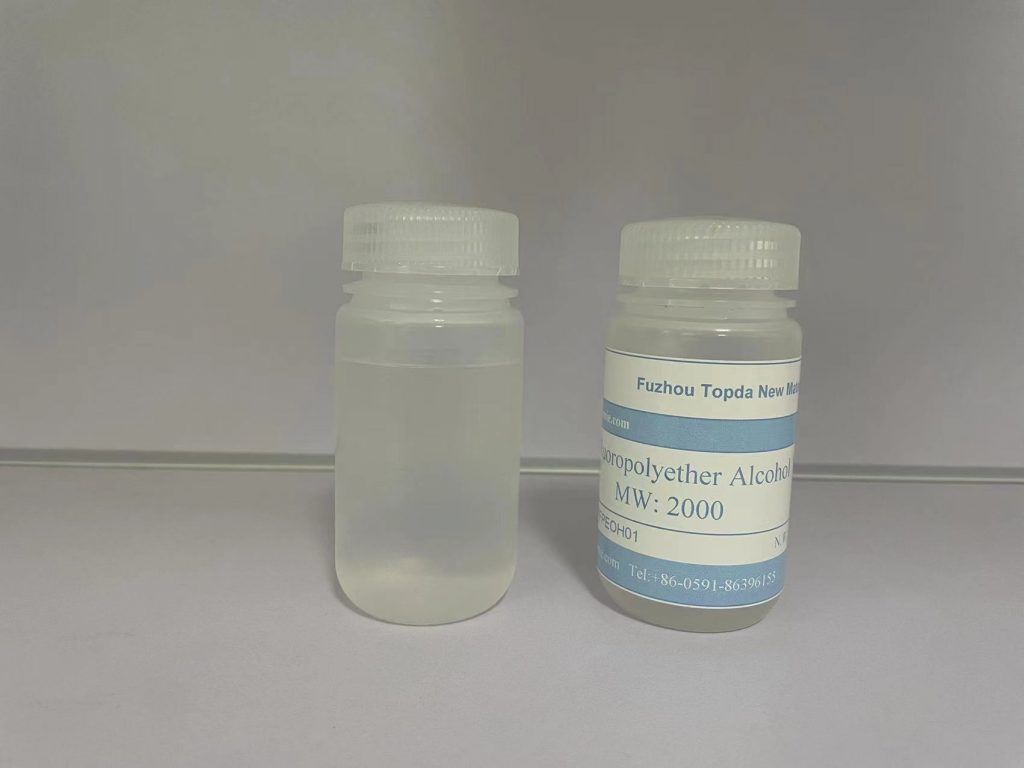

Description
Perfluoropolyethers (PFPEs): The Unsung Heroes of High-Performance Engineering
In the world of advanced materials, where challenges like extreme temperatures, harsh chemicals, and demanding mechanical stresses are commonplace, there exists a class of polymers that consistently rise to the occasion: Perfluoropolyethers, commonly known as PFPEs. These synthetic lubricants and fluids are the silent enablers behind countless high-tech applications, ensuring performance and reliability where conventional materials fail.
What Are PFPEs?
PFPEs are a unique family of synthetic polymers characterized by their molecular structure, which consists of a backbone of carbon, oxygen, and fluorine atoms. The “perfluoro” prefix signifies that all hydrogen atoms (if they were present in a hydrocarbon) have been replaced by fluorine atoms, a transformation that imparts extraordinary stability and inertness. The “polyether” part refers to the repeating ether (-O-) linkages in their chain.
This specific atomic arrangement gives PFPEs a suite of properties that are unparalleled by most other materials.
The Remarkable Properties of PFPEs
Their exceptional performance stems directly from their unique chemical composition and structure:
- Thermal Stability: PFPEs can withstand an incredibly wide range of temperatures, from as low as -90°C to over 300°C, without significant degradation. This makes them ideal for environments where extreme heat or cold would break down conventional oils and greases.
- Chemical Inertness: They are virtually unaffected by strong acids, bases, solvents, oxygen, and most common chemicals. This resistance prevents breakdown and contamination, crucial in corrosive environments or systems involving reactive gases.
- Non-Flammability: Due to their perfluorinated nature, PFPEs have no flash or fire point, making them exceptionally safe for use in hazardous environments or critical systems where fire risk must be minimized.
- Low Volatility and Vapor Pressure: PFPEs exhibit extremely low evaporation rates, even at high temperatures or under vacuum. This property is vital in vacuum systems (like those used in semiconductor manufacturing) where outgassing could contaminate processes.
- Excellent Lubricity: Despite their inertness, PFPEs provide superior lubrication properties, reducing friction and wear in bearings, gears, and other moving parts, even under heavy loads.
- Outstanding Dielectric Properties: They are excellent electrical insulators, making them suitable for use in electronic cooling or as dielectric fluids.
- Biocompatibility: Some grades of PFPEs are non-toxic and compatible with human tissues, opening doors for medical and pharmaceutical applications.
Where Are PFPEs Used?
The unique properties of PFPEs make them indispensable across a diverse range of critical industries:
- Aerospace & Defense: Lubricants for spacecraft mechanisms, satellite components, aircraft control systems, and high-performance military equipment where extreme temperatures and high vacuum are encountered.
- Semiconductor Manufacturing: Essential for lubricating vacuum pumps, robotic arms, and other cleanroom equipment, as their low outgassing and chemical inertness prevent contamination of sensitive semiconductor processes.
- Automotive: Used in high-performance bearings, sensors, and electrical components, especially in electric vehicles where thermal management and long-life lubrication are crucial.
- Medical & Pharmaceutical: Lubricants for surgical tools, oxygen delivery systems, MRI machines, and pharmaceutical processing equipment due to their biocompatibility and chemical resistance.
- Industrial & Vacuum Systems: Seals, O-rings, and hydraulic fluids in vacuum furnaces, chemical processing plants, and other harsh industrial environments.
- Electronics & Optics: As heat transfer fluids, damping fluids, or lubricants for precision optical instruments and electronic components.
- Niche Applications: From specialized military greases to lubricants for extreme sports equipment, PFPEs enable performance in the most demanding conditions.
The Benefits They Bring
The adoption of PFPEs translates into significant advantages for systems and components:
- Extended Component Lifespan: Reduced wear and tear leads to longer operational life for machinery.
- Enhanced Safety: Non-flammable and often non-toxic formulations improve safety in hazardous environments.
- Reduced Maintenance: Longer lubrication intervals and less frequent component replacement save time and cost.
- Operational Reliability: Machines and systems perform consistently, even under the most challenging conditions, minimizing downtime.
- Cleanliness: Low outgassing avoids contamination, especially crucial in vacuum and cleanroom environments.
Considerations and the Broader Context
While PFPEs offer unparalleled performance, it’s important to note a few considerations:
- Cost: Due to their complex synthesis and specialized properties, PFPEs are significantly more expensive than conventional lubricants. However, their longevity and the value they add in critical applications often justify the investment.
- Environmental Profile: PFPEs belong to the broader family of PFAS (Per- and Polyfluoroalkyl Substances). While less bioaccumulative and toxic than some legacy PFAS compounds (like PFOA and PFOS), they are persistent in the environment. Ongoing research and regulatory scrutiny ensure responsible manufacturing, use, and disposal practices are in place.
Conclusion
Perfluoropolyethers (PFPEs) represent a pinnacle of material science, enabling technologies to operate reliably and efficiently in environments that would render conventional materials useless. From the vacuum of space to the precision of a cleanroom, these unsung heroes are indispensable. As industries continue to push the boundaries of performance and reliability, the unique properties of PFPEs will undoubtedly ensure their continued relevance as a cornerstone of advanced engineering.


Reviews
There are no reviews yet.