
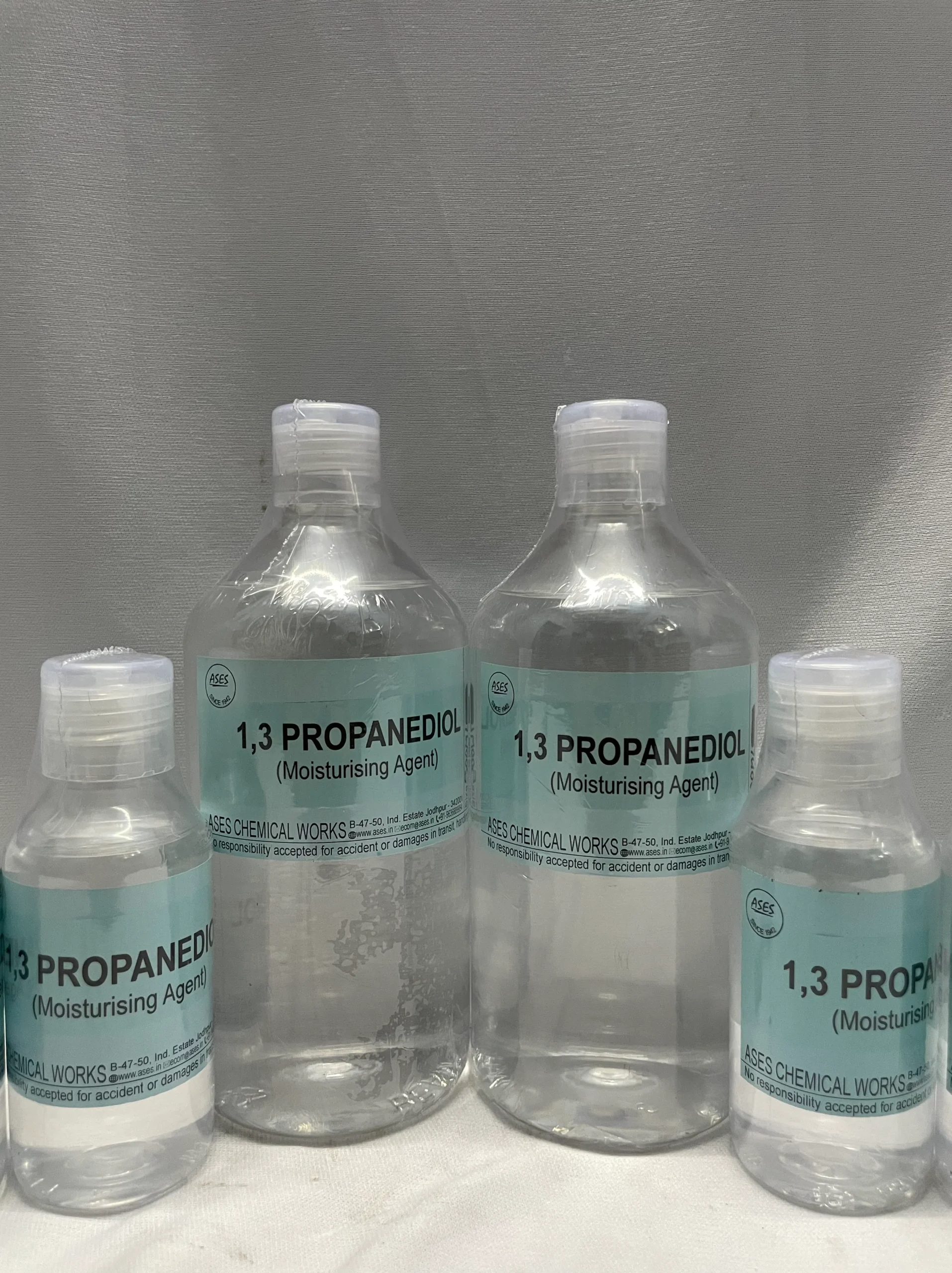
Description
1,3-Propanediol: A Versatile Building Block for a Sustainable Future
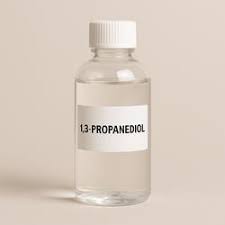
1,3-Propanediol (1,3-PDO), also known as trimethylene glycol, is a versatile organic compound rapidly gaining traction across various industries due to its unique properties and potential for bio-based production. This colorless, viscous liquid acts as a crucial intermediate in the manufacturing of polymers, solvents, and other chemicals, contributing to both performance enhancements and a more sustainable future.
What is 1,3-Propanediol?
1,3-PDO is a diol, meaning it’s an organic compound containing two hydroxyl (-OH) groups attached to a three-carbon chain. Its structure gives it distinct characteristics, including:
- High boiling point: Due to strong hydrogen bonding between the hydroxyl groups, 1,3-PDO has a relatively high boiling point compared to other similar compounds.
- Good solvent properties: It can dissolve a variety of organic and inorganic materials, making it a useful solvent in various applications.
- Hygroscopic nature: 1,3-PDO readily absorbs moisture from the air.
- Non-toxic and biodegradable: Compared to some petroleum-based alternatives, 1,3-PDO exhibits relatively low toxicity and is biodegradable under specific conditions, making it an environmentally friendlier option.
Applications of 1,3-Propanediol:
The versatility of 1,3-PDO stems from its ability to function as a building block in a multitude of applications. Here are some of the key areas:
- Polymer Production (PTT): The most significant application of 1,3-PDO is in the production of polytrimethylene terephthalate (PTT), a high-performance polyester. PTT is used in textiles (carpets, apparel), engineering plastics, and films, offering advantages such as superior resilience, stain resistance, and UV resistance compared to other polyesters like PET.
- Solvents: 1,3-PDO can act as a solvent in various applications, including cleaning agents, cosmetics, and paints. Its low toxicity and good solvency make it a suitable alternative to more hazardous solvents.
- Antifreeze and Heat Transfer Fluids: Due to its high boiling point and ability to lower the freezing point of water, 1,3-PDO can be used in antifreeze and heat transfer fluids.
- Cosmetics and Personal Care: Its moisturizing and solvent properties make it a valuable ingredient in cosmetics, personal care products, and skin care formulations.
- Chemical Intermediate: 1,3-PDO can be used as a precursor for synthesizing other chemicals, broadening its impact across different industries.
The Shift Towards Bio-Based Production:
Traditionally, 1,3-PDO was produced from petroleum-based sources. However, growing concerns about environmental sustainability have spurred the development of bio-based production methods. These methods utilize renewable resources, such as corn sugar or glycerol, and employ microorganisms (like bacteria or yeast) in a fermentation process.
The advantages of bio-based 1,3-PDO are significant:
- Reduced reliance on fossil fuels: Bio-based production reduces dependence on finite petroleum resources.
- Lower carbon footprint: The fermentation process can lead to a lower overall carbon footprint compared to traditional chemical synthesis.
- Sustainable alternative: Utilizing renewable resources promotes a more sustainable and circular economy.
Companies are increasingly adopting bio-based 1,3-PDO to meet the growing demand for eco-friendly products and to align with sustainability goals.
The Future of 1,3-Propanediol:
As the demand for sustainable and high-performance materials continues to grow, the future of 1,3-PDO looks promising. Further research and development are focused on:
- Optimizing bio-based production: Increasing the efficiency and yield of fermentation processes to make bio-based 1,3-PDO even more competitive.
- Exploring new applications: Discovering novel uses for 1,3-PDO in emerging fields like bioplastics and advanced materials.
- Reducing production costs: Lowering the overall cost of 1,3-PDO production to make it more accessible across various industries.
In conclusion, 1,3-Propanediol stands out as a versatile and increasingly important chemical compound. Its diverse applications, coupled with the advancements in bio-based production, position it as a key contributor to a more sustainable and innovative future. By embracing this “green” building block, industries can move towards more environmentally responsible practices and create products that meet the demands of a growing global market.


Reviews
There are no reviews yet.