Butyl Acrylate

£1,623.00

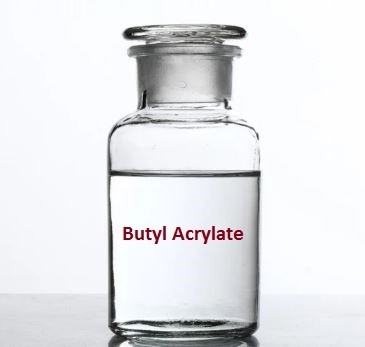
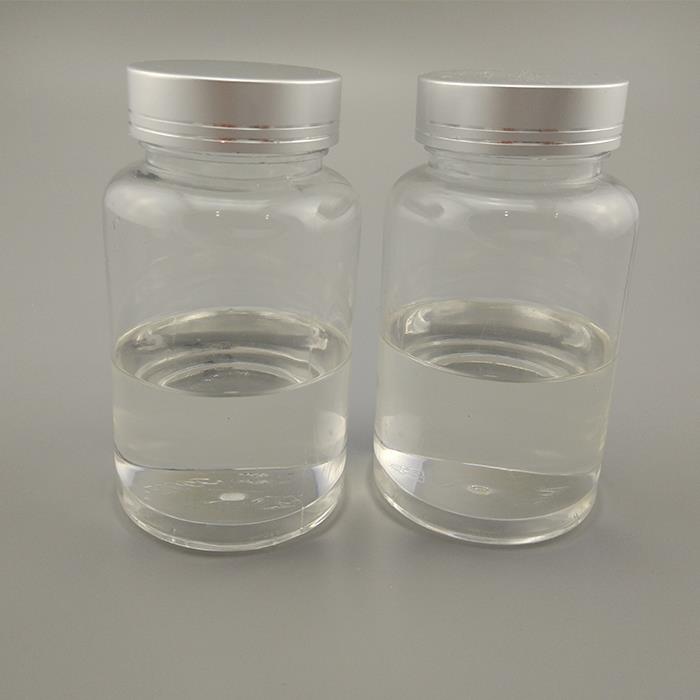
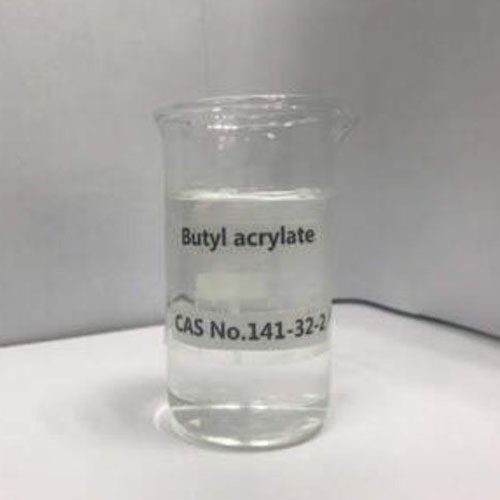
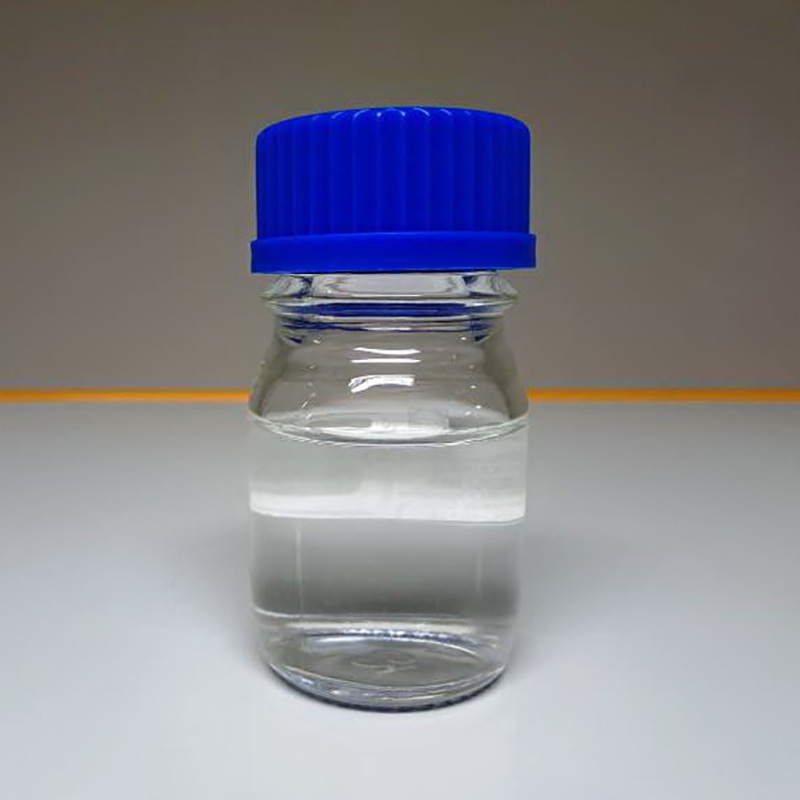
Butyl Acrylate is a chemical compound that belongs to the family of acrylate esters. It is a colorless liquid with a characteristic sweet, fruity odor. This ester is widely used in the production of polymers, coatings, and adhesives, owing to its exceptional versatility and reactivity. In the manufacturing process, butyl acrylate is often copolymerized with other monomers, such as acrylic acid, styrene, or vinyl acetate, to create a broad range of materials with diverse properties. One of the most significant applications of butyl acrylate is in the production of water-based coatings, including paints, varnishes, and lacquers. The incorporation of butyl acrylate into these formulations enhances their flow, leveling, and film-forming properties, resulting in a smooth, glossy finish. Additionally, butyl acrylate is used in the development of specialized adhesives, such as pressure-sensitive adhesives, hot melt adhesives, and reactive adhesives, which are employed in various industries, including construction, packaging, and automotive. Furthermore, butyl acrylate has found uses in the manufacturing of textile finishes, leather finishes, and paper coatings, where its unique properties contribute to improved water resistance, flexibility, and durability. The chemical’s reactivity also makes it an attractive component in the synthesis of various polymers, including polyacrylates, polyacrylamides, and polyvinyl acetate. Overall, butyl acrylate is a highly valued chemical intermediate that plays a crucial role in the production of a wide range of materials and products, from coatings and adhesives to textiles and paper products. Its exceptional versatility, reactivity, and performance attributes make it an indispensable component in many industrial applications.

Description

Butyl Acrylate: A Versatile Building Block for Industries

Butyl acrylate is a chemical compound that often flies under the radar, yet plays a critical role in a vast array of products we use daily. As a clear, colorless liquid with a characteristic fruity odor, it falls under the category of acrylate esters and is primarily used as a monomer in the production of polymers, creating materials with a wide range of desirable properties. Let’s delve into the properties, production, uses, and safety considerations surrounding this versatile chemical.

What is Butyl Acrylate?

Chemically speaking, butyl acrylate is the butyl ester of acrylic acid. This means it’s formed by reacting n-butanol (a four-carbon alcohol) with acrylic acid. Its chemical formula is C7H12O2, and its molecular weight is approximately 128.17 g/mol. The presence of a double bond in its structure makes it highly reactive and capable of undergoing polymerization with itself or with other monomers.

How is it Produced?

The production of butyl acrylate typically involves a direct esterification reaction. This means reacting acrylic acid with n-butanol in the presence of an acid catalyst, such as sulfuric acid or a strongly acidic ion exchange resin. The reaction is usually carried out at elevated temperatures, and the product, butyl acrylate, is continuously removed to drive the reaction forward. Modern production techniques often incorporate continuous processes for improved efficiency and yield.

Where is it Found and What is it Used For?

Butyl acrylate’s primary application lies in the production of polymers and copolymers. By combining butyl acrylate with other monomers like methyl methacrylate, styrene, or vinyl acetate, manufacturers can tailor the properties of the resulting polymer to meet specific application requirements. Here’s a glimpse into its diverse uses:

  • Adhesives and Sealants: Butyl acrylate contributes to the flexibility, adhesion, and durability of adhesives used in packaging, construction, and the automotive industry.
  • Paints and Coatings: It improves the flexibility, weather resistance, and overall durability of acrylic paints and coatings for both architectural and industrial applications. This is crucial for exterior paints that need to withstand exposure to sunlight and rain.
  • Textiles: In textile finishing, butyl acrylate imparts softness, water repellency, and improved tear strength to fabrics.
  • Plastics and Resins: Butyl acrylate is used in the production of plastics and resins with improved impact resistance and flexibility, finding application in various molded products.
  • Paper Coatings: It improves the gloss, ink receptivity, and water resistance of paper and paperboard coatings, making them suitable for labels, packaging, and printing applications.

Properties that Make it Valuable:

The popularity of butyl acrylate stems from its unique properties that contribute to the performance of its polymer derivatives:

  • Flexibility and Elasticity: The butyl group in its structure contributes to the flexibility and elasticity of the resulting polymers, making them less brittle and more resistant to cracking.
  • Adhesion: Butyl acrylate imparts excellent adhesion properties to a variety of substrates, making it ideal for use in adhesives and coatings.
  • Weather Resistance: Polymers containing butyl acrylate exhibit good resistance to UV degradation and weathering, making them suitable for outdoor applications.
  • Water Resistance: It improves the water resistance of coatings and sealants, protecting surfaces from moisture damage.

Safety Considerations:

While butyl acrylate is a valuable industrial chemical, it’s important to handle it with proper safety precautions.

  • Flammability: It is a flammable liquid and should be stored and handled away from ignition sources.
  • Irritant: It can cause skin and eye irritation upon contact. Appropriate personal protective equipment (PPE), such as gloves and safety glasses, should be worn when handling it.
  • Inhalation: Inhalation of butyl acrylate vapors can cause respiratory irritation. Adequate ventilation should be provided in work areas.
  • Environmental Impact: Butyl acrylate can be harmful to aquatic life. Spills should be contained and cleaned up promptly, and disposal should be in accordance with local regulations.

The Future of Butyl Acrylate:

As industries continue to demand materials with improved performance, durability, and environmental friendliness, butyl acrylate will likely remain a key building block in polymer chemistry. Ongoing research focuses on developing more sustainable production methods, exploring bio-based alternatives, and optimizing polymer formulations to further enhance the properties and applications of butyl acrylate-based materials. This ensures that this seemingly simple chemical will continue to play a significant role in shaping the products and technologies of the future.

Additional information

Price

per metric ton

Reviews

There are no reviews yet.

Be the first to review “Butyl Acrylate”

Your email address will not be published. Required fields are marked *

Add to cart