Description
Sulfuric Acid: The King of Chemicals and Its Reigning Impact
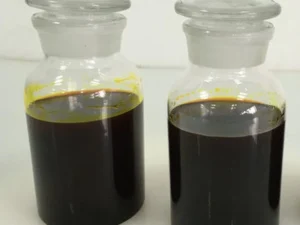
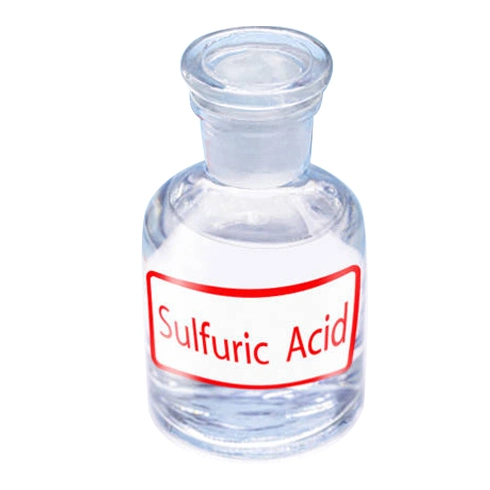
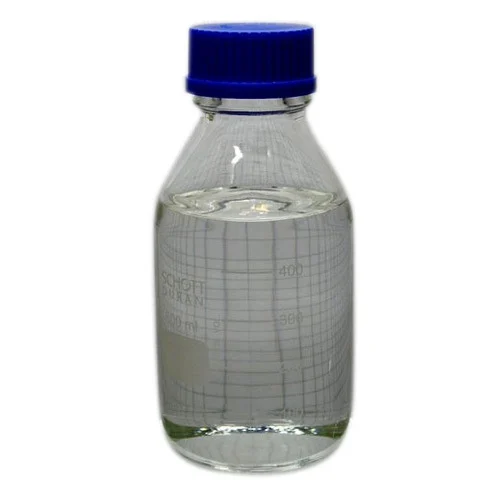
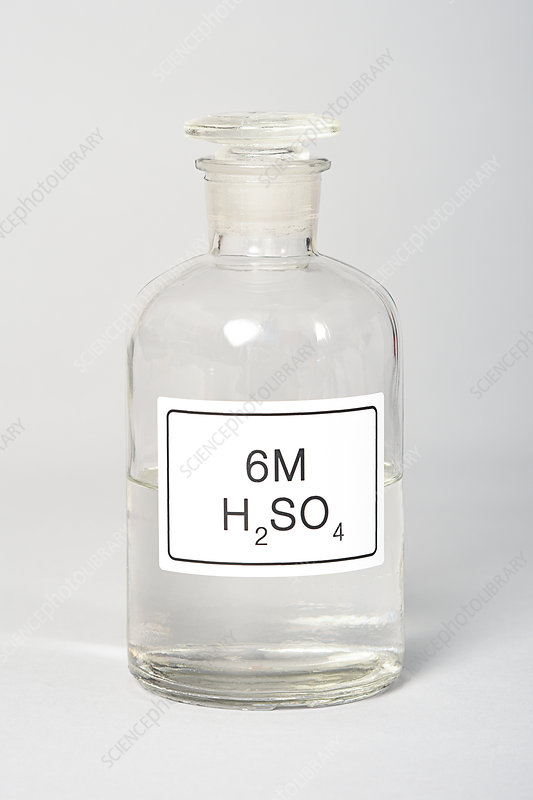
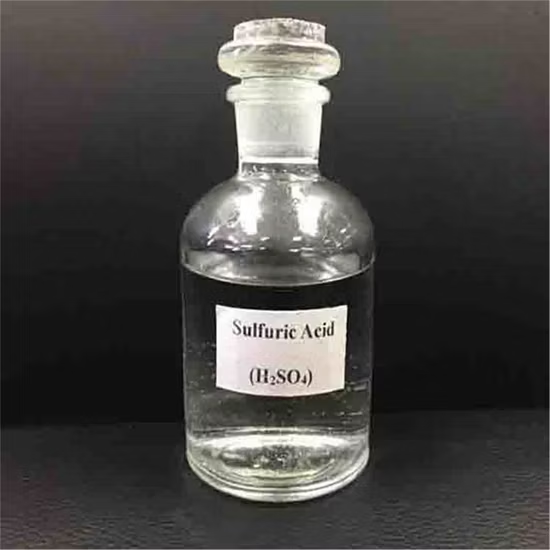
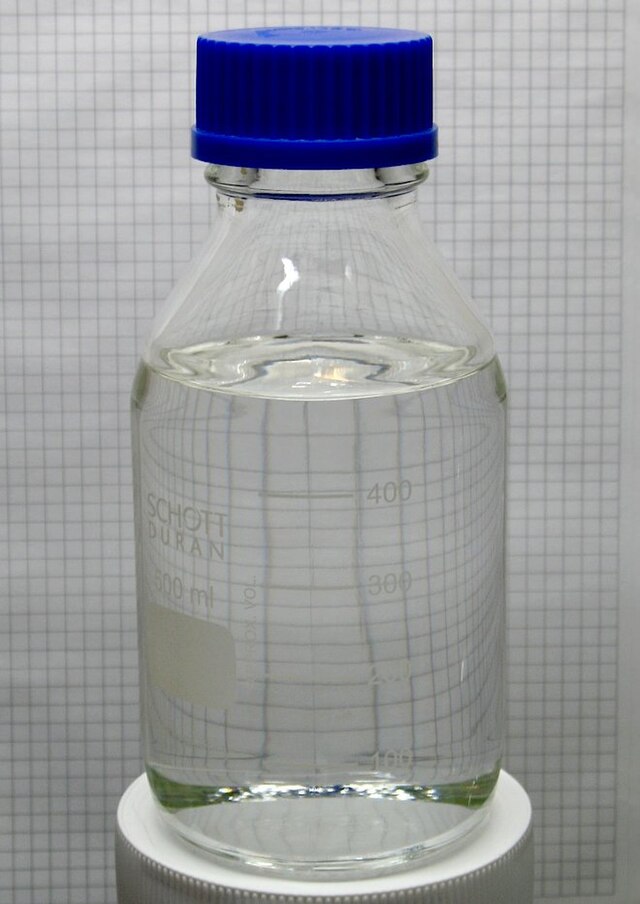
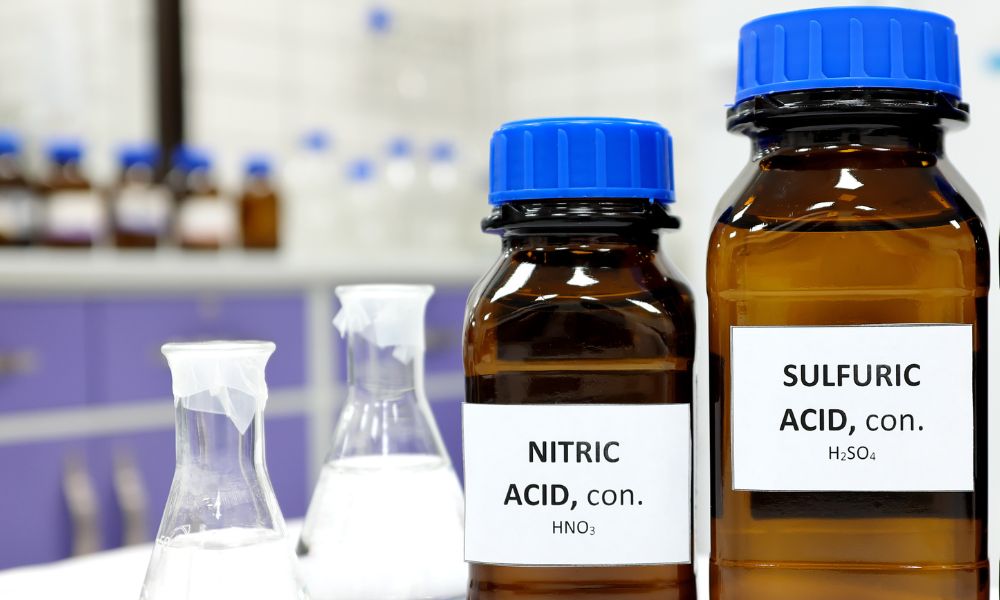
Sulfuric acid (H₂SO₄), often hailed as the “King of Chemicals,” is a colorless, odorless, and viscous liquid with a vast array of industrial applications. Its widespread use and influence on various sectors cement its position as one of the most important chemical compounds in the world. From fertilizer production to wastewater treatment, sulfuric acid plays a crucial, yet often unseen, role in modern life.
Properties and Production:
Sulfuric acid’s chemical formula, H₂SO₄, reveals its composition: two hydrogen atoms, one sulfur atom, and four oxygen atoms. This seemingly simple structure belies its complex and potent properties. It’s a strong acid, meaning it readily donates protons (H⁺ ions) in solution. It’s also a powerful dehydrating agent, capable of removing water from many organic compounds. Furthermore, it’s a strong oxidizing agent, capable of accepting electrons from other substances.
Industrially, sulfuric acid is primarily produced through the contact process. This process involves several steps:
- Burning Sulfur: Sulfur is burned in air to produce sulfur dioxide (SO₂).
- Catalytic Oxidation: Sulfur dioxide is then converted to sulfur trioxide (SO₃) using a vanadium pentoxide (V₂O₅) catalyst.
- Absorption: Sulfur trioxide is absorbed into concentrated sulfuric acid to form oleum (H₂S₂O₇), also known as fuming sulfuric acid.
- Dilution: Oleum is then diluted with water to produce the desired concentration of sulfuric acid.
A Multifaceted Reign: Its Diverse Applications
Sulfuric acid’s versatility stems from its potent chemical properties, leading to a wide range of applications across various industries:
- Fertilizer Production: This is by far the largest application of sulfuric acid. It’s a key ingredient in the production of phosphate fertilizers, such as superphosphate and triple superphosphate, essential for boosting agricultural yields and feeding the world’s growing population.
- Chemical Manufacturing: Sulfuric acid is used in the production of countless other chemicals, including detergents, synthetic resins, plastics, and pharmaceuticals. It serves as a catalyst, a reagent, and a dehydrating agent in various chemical processes.
- Petroleum Refining: It’s used to purify crude oil by removing impurities and unwanted hydrocarbons, contributing to the production of gasoline, diesel, and other petroleum products.
- Metal Processing: Sulfuric acid is used in the pickling of steel to remove rust and scale, preparing it for further processing like painting or plating. It’s also used in the extraction and refining of various metals, including copper and uranium.
- Wastewater Treatment: Sulfuric acid is used to adjust the pH of wastewater, making it more suitable for treatment processes. It also helps to precipitate certain contaminants, facilitating their removal.
- Detergents and Cleaning Agents: It is a key ingredient in the production of a variety of detergents and cleaning agents, playing the role of a pH regulator or a builder.
- Textile Industry: Sulfuric acid is used in various textile processing steps, including dyeing, bleaching, and mercerizing cotton.
- Battery Acid: Diluted sulfuric acid is used as the electrolyte in lead-acid batteries, providing the necessary ions to facilitate the chemical reactions that generate electricity.
Safety Considerations:
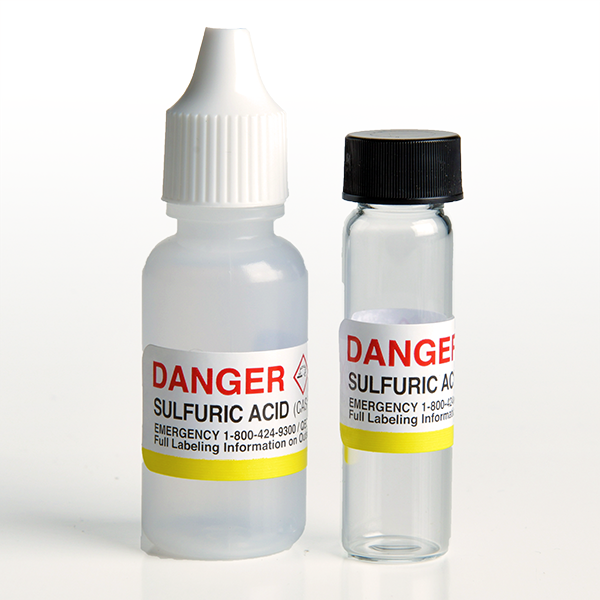
Despite its importance, sulfuric acid is a highly corrosive substance and must be handled with extreme care. Exposure to concentrated sulfuric acid can cause severe burns to the skin, eyes, and respiratory system. Proper personal protective equipment (PPE), including gloves, goggles, and respirators, is essential when handling this chemical. Furthermore, its reaction with water is highly exothermic, generating significant heat and potentially causing splattering. Always add acid to water, and never the other way around.
The Future of Sulfuric Acid:
The demand for sulfuric acid is closely linked to global economic growth and the increasing need for fertilizers to feed a growing population. As such, its importance is unlikely to diminish in the foreseeable future. Research is ongoing to improve the efficiency and sustainability of sulfuric acid production processes, focusing on reducing energy consumption and minimizing environmental impact. Furthermore, exploring alternative sources of sulfur and developing new applications for sulfuric acid are areas of active investigation.
In conclusion, sulfuric acid is a truly versatile and indispensable chemical with a profound impact on a wide range of industries. Its continued importance in modern life ensures that it will remain the “King of Chemicals” for the foreseeable future. However, its hazardous nature necessitates responsible handling and a commitment to sustainable production practices.


Reviews
There are no reviews yet.