

Description
1. Product Overview
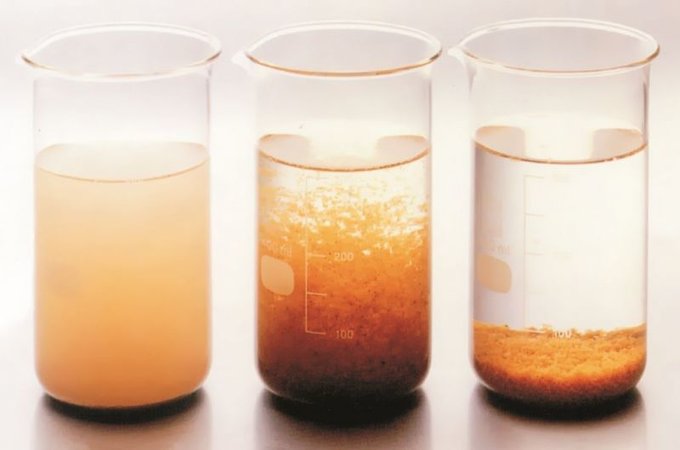
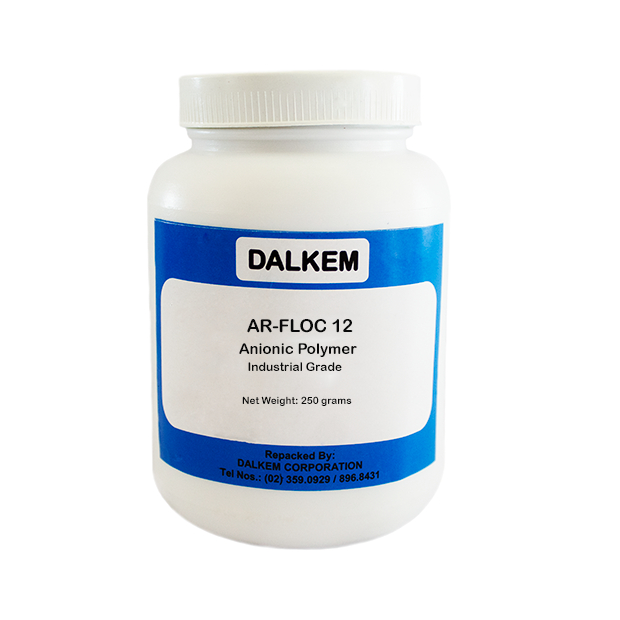
Polymeric Flocculants are high-performance water treatment polymers designed to aggregate suspended solids and impurities, enabling efficient separation in industrial processes. Widely used across water treatment, mining, and chemical manufacturing sectors, these flocculants significantly enhance sedimentation, clarification, and sludge dewatering operations. Their superior binding efficiency and rapid action reduce operational costs and improve throughput, making them a critical component in modern industrial water management. Strategically, they support regulatory compliance, environmental sustainability, and operational optimization, positioning them as essential materials for industrial sourcing decisions.
2. Key Specifications & Technical Characteristics
- Chemical Composition: High-molecular-weight polymeric compounds (anionic, cationic, or non-ionic variants)
- Purity/Grade: Industrial-grade, ≥90% active polymer content
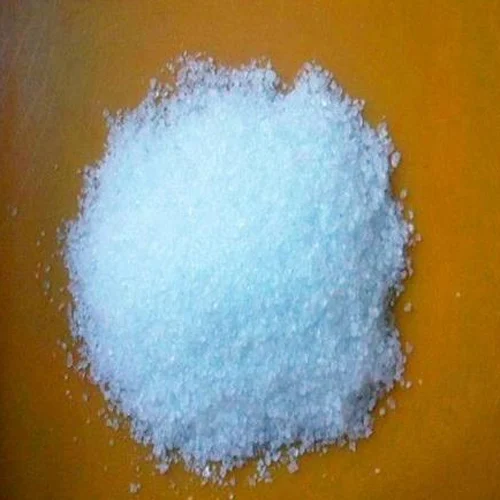
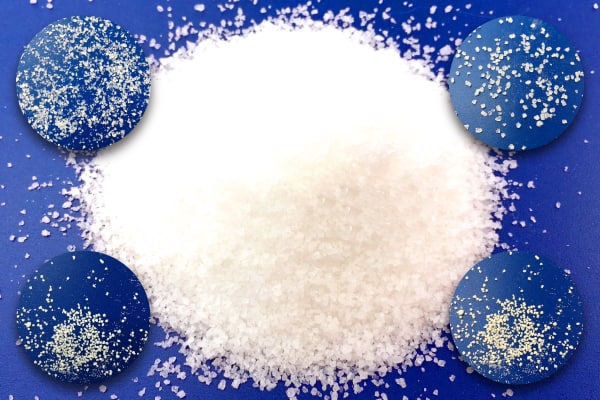
- Physical Form: Powder or granular form; white to off-white
- Particle Size: Typically 0.1–1.0 mm (depending on type)
- Density: 0.5–0.8 g/cm³
- Solubility: Water-soluble with rapid dispersion
- Packaging Options: 25 kg bags, jumbo bags, or bulk flexible containers
- Shelf Life: 12–24 months under dry, temperature-controlled storage
3. Core Industrial Applications
- Water & Wastewater Treatment: Effective flocculation for municipal and industrial water purification
- Mining & Mineral Processing: Enhances sedimentation of fine particles in tailings and slurry separation
- Paper & Pulp Industry: Improves clarity and reduces chemical consumption in paper production
- Chemical Manufacturing: Aids in solid-liquid separation in process streams, reducing processing time and energy consumption
- Performance Advantage: Faster settling rates, higher floc strength, and improved sludge dewatering efficiency compared to conventional coagulants
4. Competitive Advantages
- Consistent Quality: Strict production and QA standards ensure uniform performance batch-to-batch
- Supply Reliability: Strategic manufacturing and distribution network supports global B2B operations
- Logistics Capability: Flexible packaging and container loading options for efficient shipping and handling
- Cost Efficiency: High active content reduces dosage requirements, lowering total operational costs
- Environmental Benefits: Supports reduced chemical usage and enhances water treatment sustainability
- Technical Support: Comprehensive documentation and application guidance available for process optimization
5. Commercial & Supply Information
- Minimum Order Quantity (MOQ): 20 MT per order
- Loading Capacity: 20–22 MT per 20’ standard container (depending on packaging type)


Reviews
There are no reviews yet.