
Description
1. Product Overview
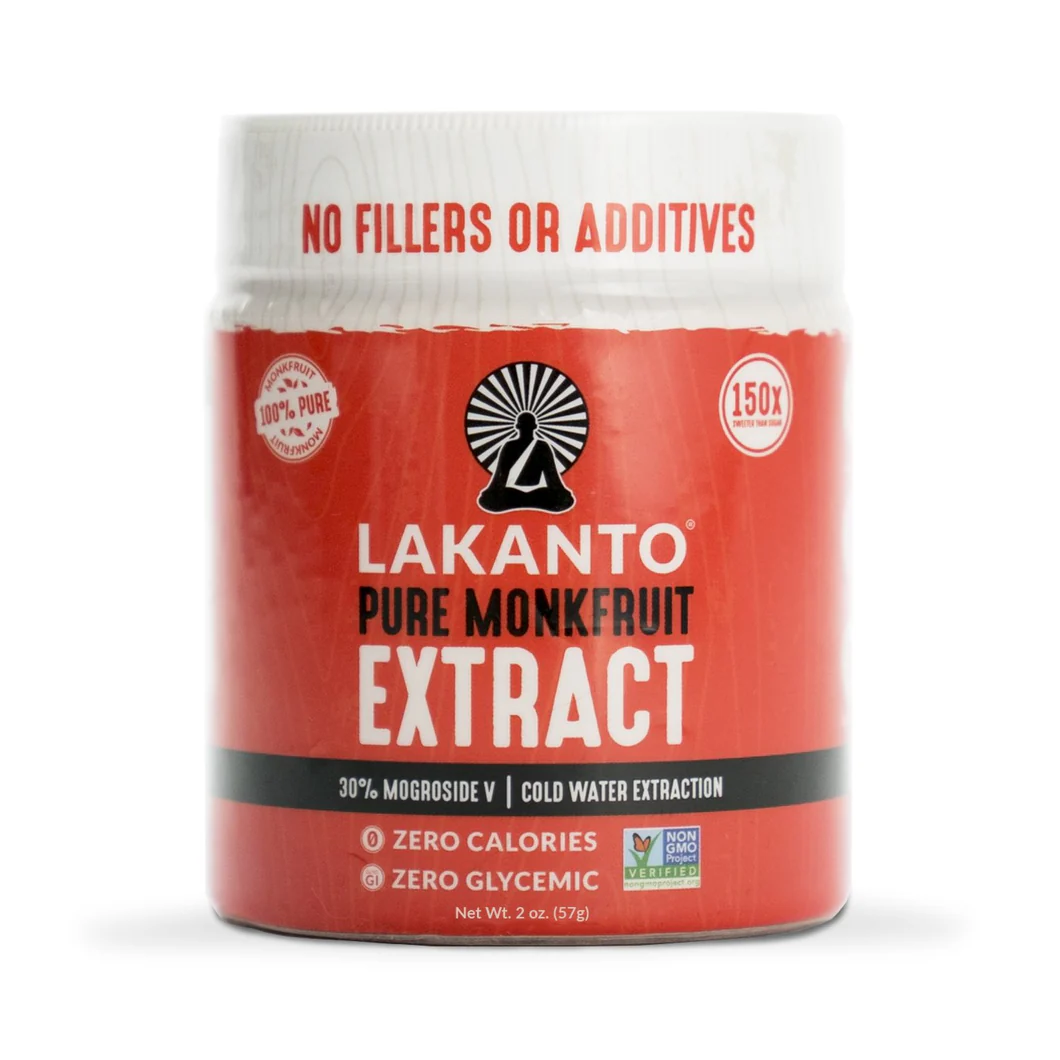
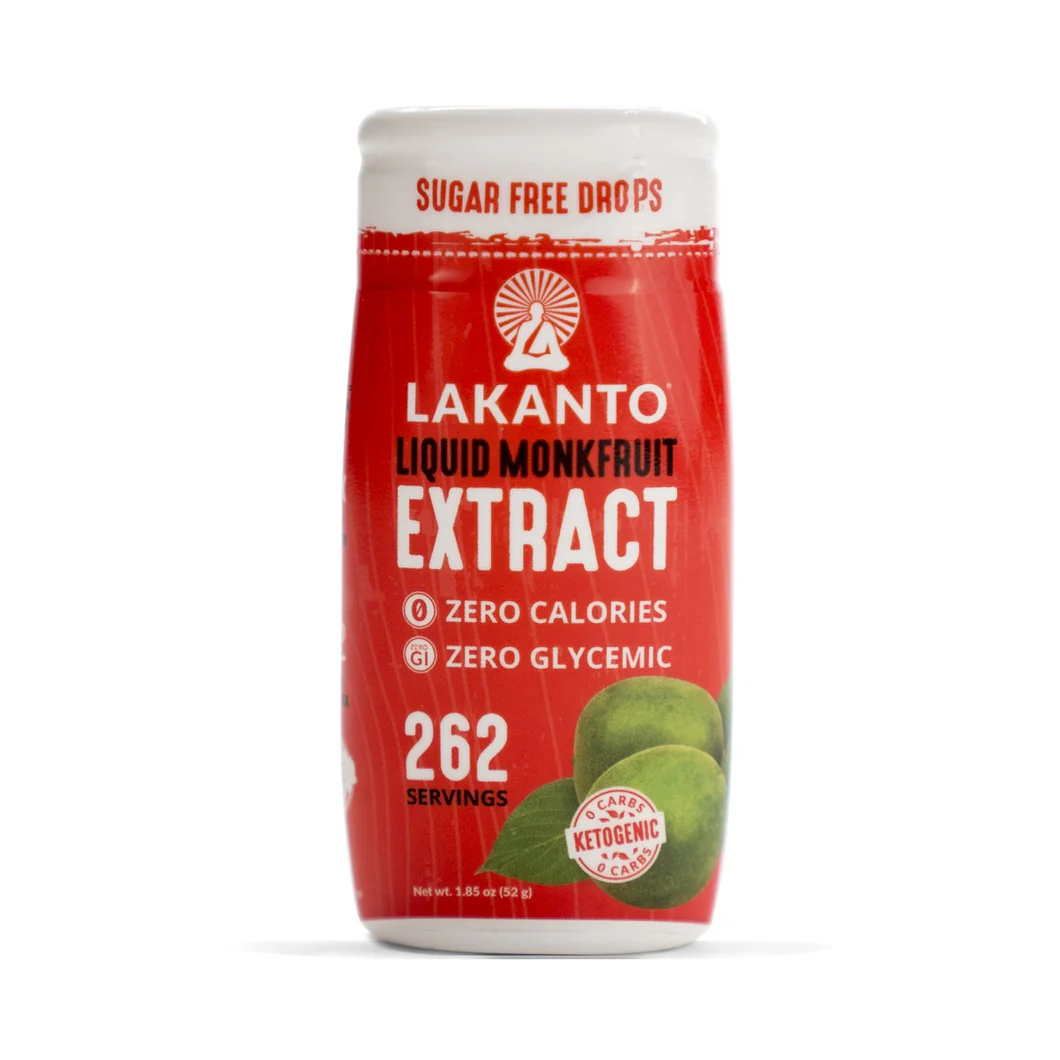
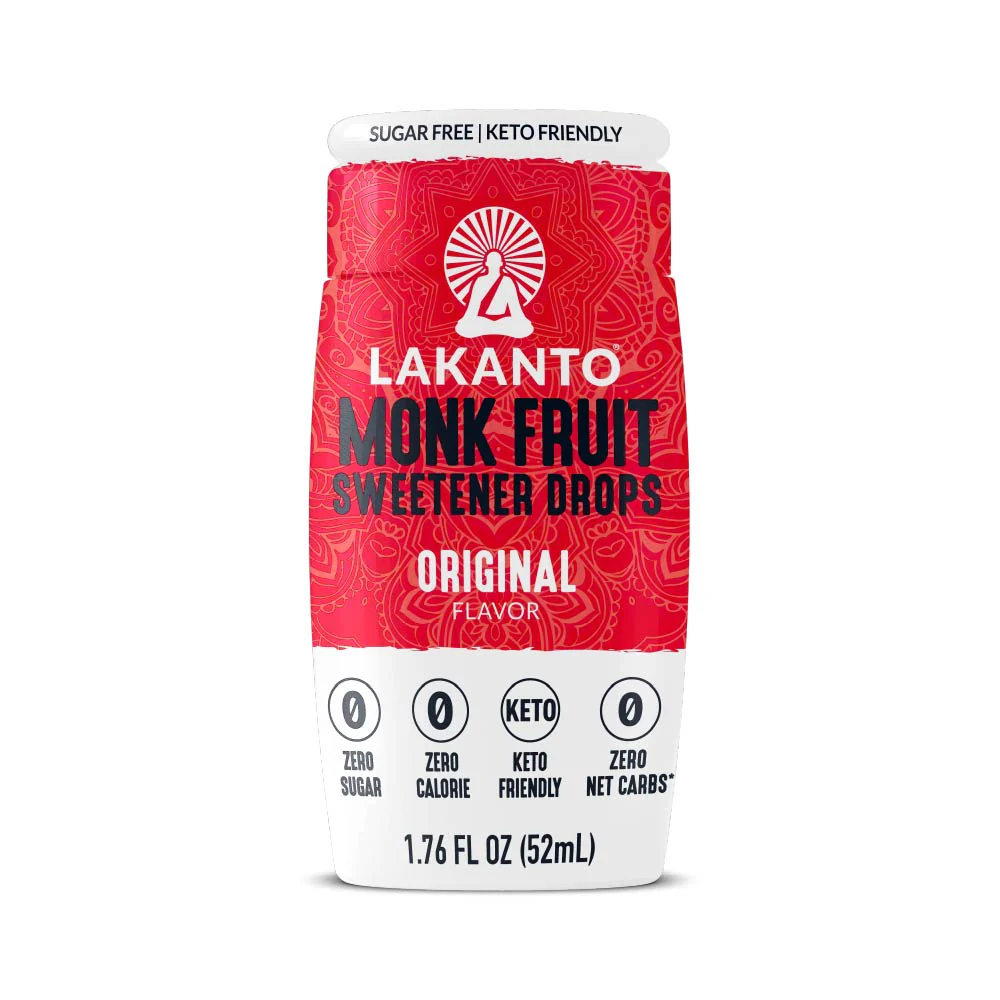
Monk Fruit Extract is a natural, high-intensity sweetener derived from the fruit of Siraitia grosvenorii, offering zero-calorie sweetness with minimal glycemic impact. It is widely used across food, beverage, and nutraceutical industries to replace sugar and artificial sweeteners while maintaining flavor integrity. Its high sweetness potency, combined with clean labeling advantages, makes it a strategically important ingredient for health-conscious and regulatory-driven markets. Industrial buyers benefit from its consistent quality, scalable supply, and ability to enhance product formulations without compromising taste.
2. Key Specifications & Technical Characteristics
- Chemical Composition: Mogrosides ≥ 80% (high-potency glycosides)
- Purity Level / Grade: Food-grade / Industrial-grade available
- Physical Characteristics: Fine powder, light tan to off-white color, soluble in water, bulk density 0.45–0.55 g/cm³
- Particle Size: 80–120 mesh standard, customizable on request
- Packaging Options: 25 kg multi-layer kraft paper bags, 500 kg jumbo bags, or customized industrial packaging
- Shelf Life: 24 months under cool, dry, and dark storage conditions
3. Core Industrial Applications
- Food & Beverage: Sugar-free beverages, baked goods, confectionery, dairy products
- Nutraceuticals & Supplements: Tablets, capsules, powdered mixes requiring natural sweetness
- Operational Use Cases: Sweetness enhancement without caloric load; stable in heat and pH variation; clean-label replacement for artificial sweeteners
- Performance Advantages: Superior taste profile with minimal aftertaste; high potency reduces required dosage, lowering formulation costs; better solubility and stability than most natural sweeteners
4. Competitive Advantages
- Quality Consistency: Rigorous quality control ensures batch-to-batch uniformity
- Supply Reliability: Sourced from established growers with scalable industrial capacity
- Logistics Capability: Flexible shipment options for bulk orders globally
- Price Competitiveness: Economical per sweetness equivalent compared to alternative high-intensity sweeteners
- Sustainability: Non-GMO, environmentally responsible extraction methods
- Technical Support: Full documentation, certificates of analysis (COA), and regulatory compliance support
5. Commercial & Supply Information
- Minimum Order Quantity (MOQ): BULK 20 MT
- Loading Capacity: 20 MT per 20-ft container


Reviews
There are no reviews yet.