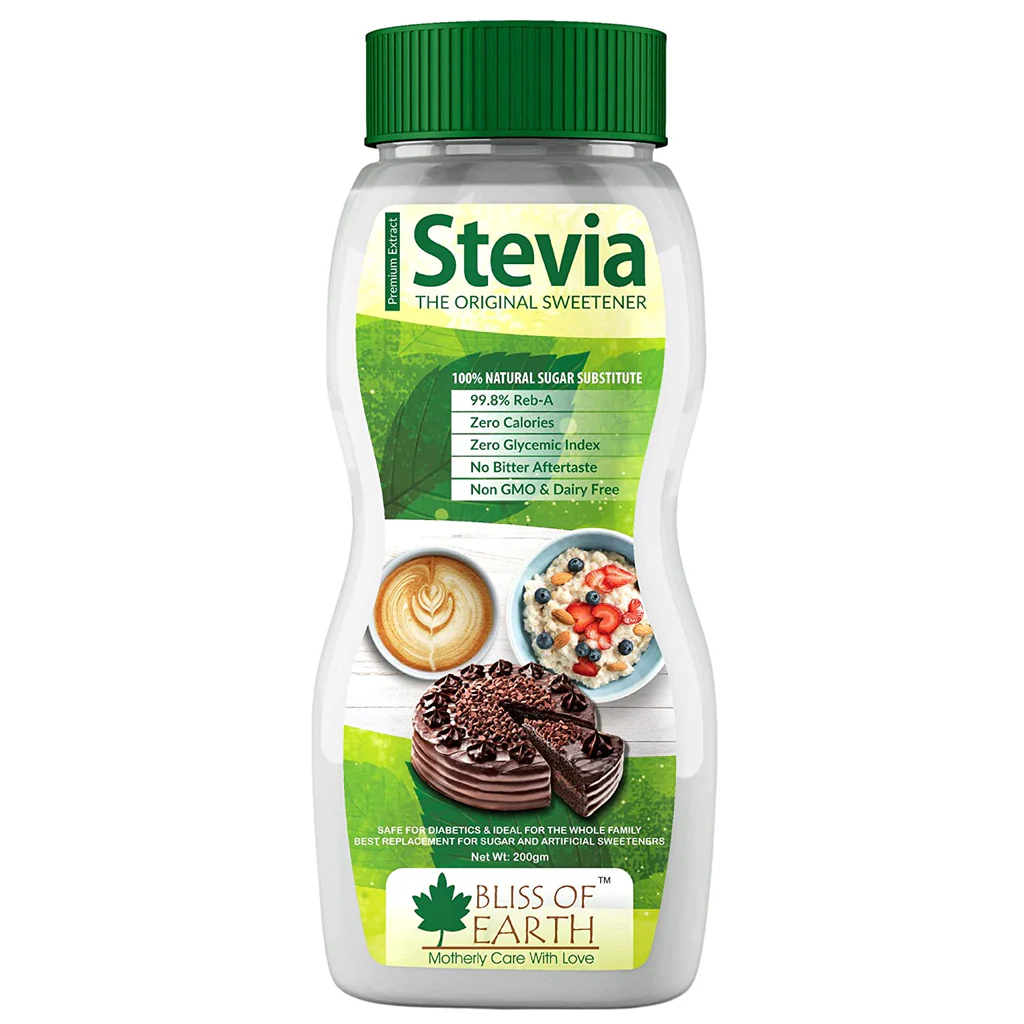
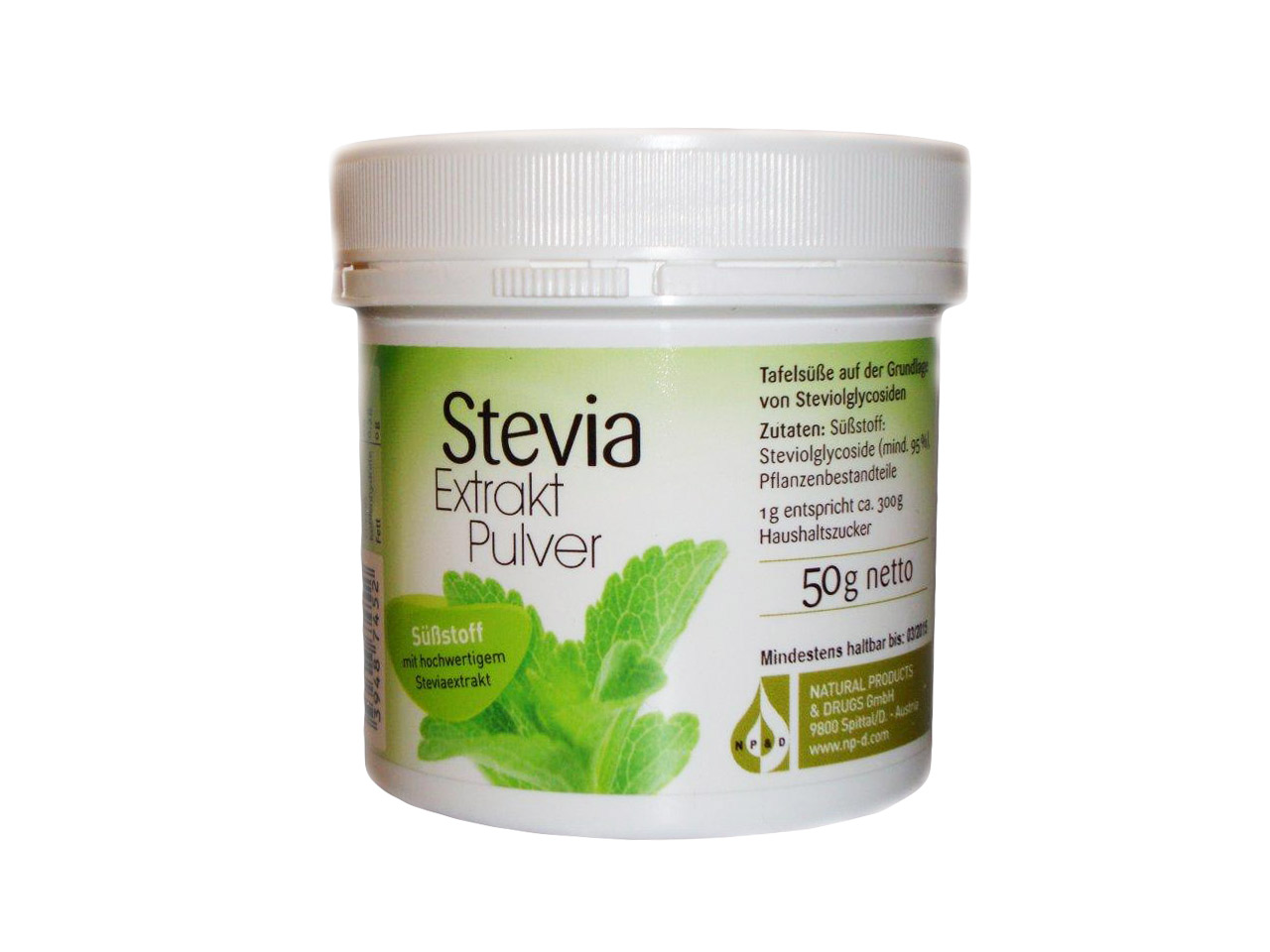
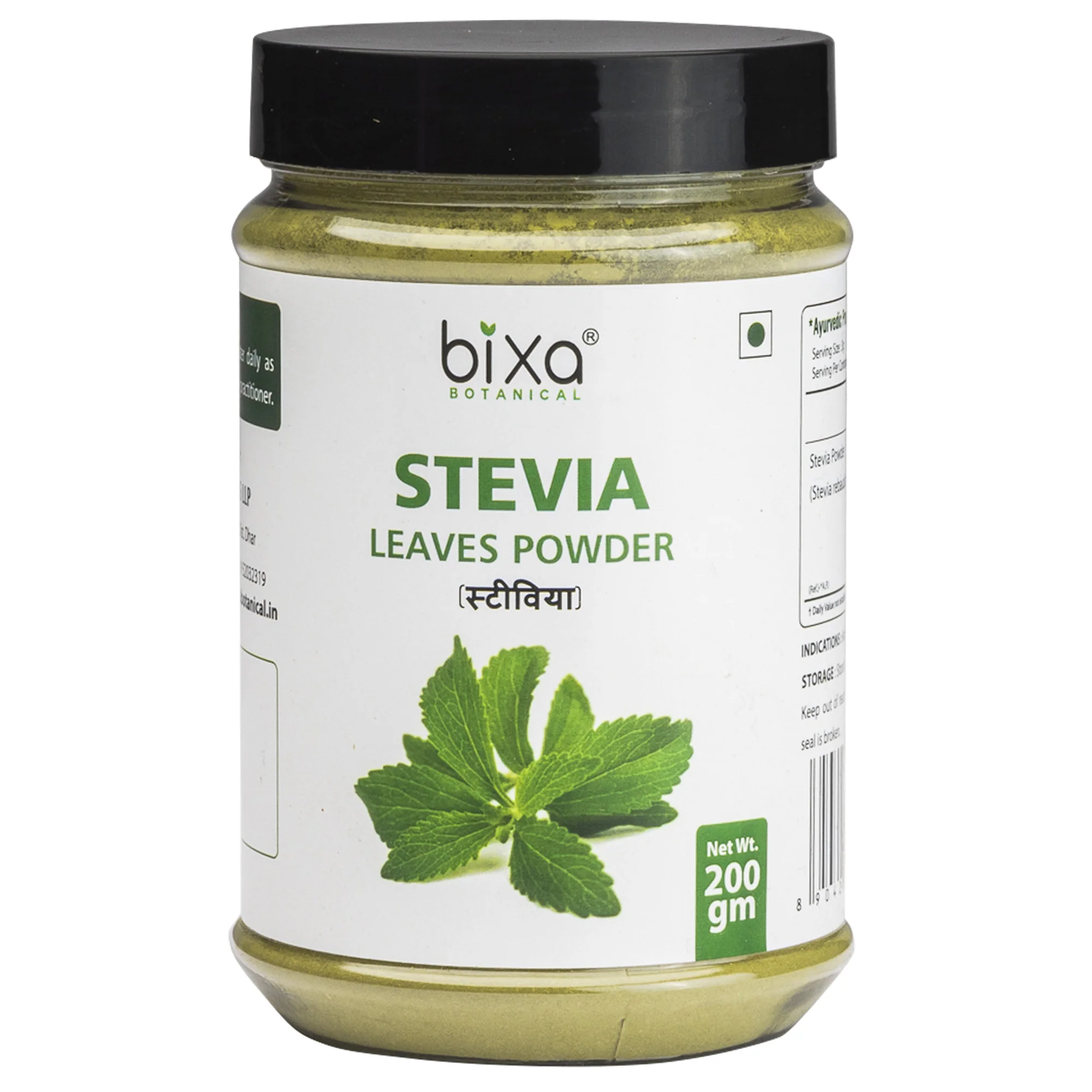
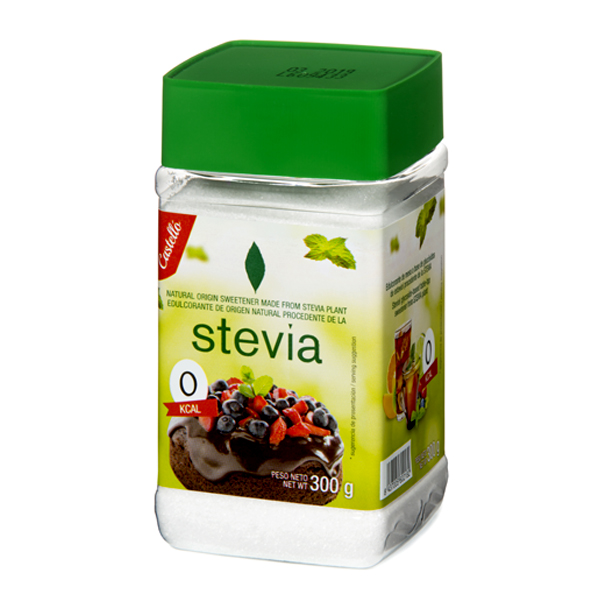
Stevia

£6.12

Stevia: The Sweet and Healthy Alternative


SEO Meta-description: Looking for a natural and healthy alternative to sugar? Learn all about the benefits of stevia in this informative article.

We all love indulging in something sweet every once in a while, but consuming too much sugar can lead to various health issues such as obesity, diabetes, and heart disease. This is where stevia comes in as a fantastic alternative. But what exactly is stevia, and how can it benefit your health? Let’s dive into the world of this natural sweetener and uncover its many advantages.

What is Stevia?

Stevia is a plant native to South America that has been used for centuries as a natural sweetener. The leaves of the stevia plant contain compounds called steviol glycosides, which are up to 300 times sweeter than sugar. This means that only a small amount of stevia is needed to achieve the same level of sweetness as sugar, making it a great option for those looking to reduce their sugar intake.

The Health Benefits of Stevia

  1. Zero Calories: Unlike sugar, stevia contains zero calories, making it an excellent choice for those watching their weight or looking to reduce their calorie intake.
  2. Blood Sugar Regulation: Stevia has been shown to help regulate blood sugar levels, making it a suitable sweetener for diabetics or anyone looking to manage their blood sugar levels.
  3. Antioxidant Properties: Stevia contains compounds that have antioxidant properties, which can help protect your cells from damage caused by free radicals.
  4. Dental Health: Since stevia does not contribute to tooth decay, it is a great option for maintaining good oral health.

How to Use Stevia

Stevia is available in various forms, including liquid, powder, and granulated. It can be used in baking, cooking, and beverages as a sugar substitute. When using stevia in recipes, keep in mind that it is much sweeter than sugar, so you will need to adjust the amount accordingly. Experiment with different forms of stevia to find the one that suits your taste preferences.

Is Stevia Safe?

Yes, stevia is considered safe for consumption by various regulatory bodies, including the FDA. However, it’s essential to choose high-quality stevia products to ensure purity and avoid any potential additives. When in doubt, opt for organic stevia to guarantee you’re getting a pure and natural product.
In conclusion, stevia is a fantastic alternative to sugar that offers numerous health benefits. Whether you’re looking to cut back on calories, regulate your blood sugar, or simply enjoy a sweet treat without the guilt, stevia is an excellent choice. Give it a try and experience the sweetness of stevia for yourself!
Remember, moderation is key when it comes to sweeteners, so enjoy stevia in moderation as part of a balanced diet. Your taste buds and your health will thank you.

Category:

Description

Sweetness Without the Guilt: Uncovering the Power of Stevia

In a world increasingly conscious of sugar consumption, finding healthy and satisfying alternatives is a top priority. Enter Stevia, a natural sweetener gaining popularity for its zero-calorie sweetness and potential health benefits. But what exactly is Stevia, and is it really the sweet solution we’ve been searching for?

From South American Shrub to Global Sensation:

Stevia rebaudiana is a shrub native to South America, where indigenous cultures have used its leaves for centuries to sweeten beverages and foods. It was only in the late 19th century that scientists began to isolate and identify the sweet compounds within the plant, known as steviol glycosides. These compounds, such as stevioside and rebaudioside A, are hundreds of times sweeter than sugar, making Stevia a potent sweetener with minimal impact on blood sugar.

The Allure of Zero Calories and Natural Origin:

What sets Stevia apart from artificial sweeteners is its natural origin. Extracted directly from the stevia leaf, it offers a perceived healthier alternative to chemically synthesized options. This natural appeal, coupled with its zero-calorie content, has made it a favorite for individuals managing their weight, blood sugar levels, or simply aiming for a more wholesome diet.

Benefits Beyond Sweetness:

While its lack of calories is a major draw, Stevia may also offer additional health benefits. Some studies suggest potential positive effects on:

  • Blood Sugar Control: Unlike sugar, Stevia doesn’t raise blood glucose or insulin levels, making it a suitable sweetener for people with diabetes or those looking to stabilize their blood sugar.
  • Blood Pressure: Preliminary research indicates that Stevia may help lower blood pressure in individuals with hypertension, though more extensive studies are needed.
  • Cholesterol Levels: Some animal studies suggest that Stevia may positively impact cholesterol levels, potentially reducing LDL (“bad”) cholesterol.

It’s important to note that the research in these areas is still ongoing, and more human studies are required to confirm these potential benefits.

Navigating the World of Stevia Products:

Stevia is available in various forms, including:

  • Whole Leaves: While less common, you can purchase dried Stevia leaves to brew your own tea or flavor dishes.
  • Extracted Powder or Liquid: These forms contain purified steviol glycosides and are widely used in beverages, baked goods, and other recipes.
  • Stevia Blends: Many commercially available Stevia products are blended with other ingredients, such as dextrose or erythritol, to improve their flavor and texture.

When choosing a Stevia product, it’s essential to read the label carefully and consider the additional ingredients. Opting for products with fewer additives and higher purity of steviol glycosides is generally recommended.

Potential Drawbacks and Considerations:

While Stevia is generally considered safe, some individuals may experience side effects, such as:

  • Aftertaste: Some people find that Stevia has a slightly bitter or metallic aftertaste. This is often due to the specific steviol glycoside composition of the product. Experimenting with different brands and formulations can help you find a Stevia option that you enjoy.
  • Digestive Issues: In rare cases, Stevia may cause digestive discomfort, such as bloating or gas.

It’s also worth noting that Stevia doesn’t brown or caramelize like sugar, so it may not be a perfect substitute in all baking applications.

The Sweet Conclusion:

Stevia offers a compelling alternative to traditional sugar and artificial sweeteners, boasting a natural origin, zero calories, and potential health benefits. While potential drawbacks like aftertaste and digestive issues exist, they are often manageable. By carefully choosing Stevia products and using them in moderation, you can enjoy the sweetness without the guilt and contribute to a healthier lifestyle. As research continues to unveil the full potential of this South American shrub, Stevia is poised to remain a key player in the evolving landscape of healthy sweeteners.

Reviews

There are no reviews yet.

Be the first to review “Stevia”

Your email address will not be published. Required fields are marked *

Add to cart