Lauryl Alcohol

£35.59

The Power of Lauryl Alcohol in Personal Care Products

Introduction:
Lauryl alcohol, also known as dodecanol, is a versatile ingredient commonly used in a wide range of personal care products. From shampoos to lotions, this compound plays a crucial role in enhancing the efficacy and overall performance of these products. In this article, we will delve into the benefits and uses of lauryl alcohol in the beauty industry, highlighting its importance and effectiveness.

What is Lauryl Alcohol?

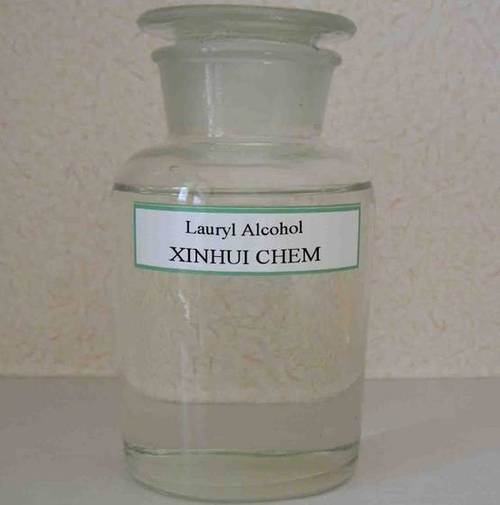
Lauryl alcohol is a fatty alcohol derived from natural sources such as coconut oil or palm oil. It is a colorless liquid with a mild, pleasant scent that is commonly used as an emollient and emulsifier in personal care products. Due to its unique chemical structure, lauryl alcohol helps to create stable and creamy formulations that are gentle on the skin and hair.

Benefits of Lauryl Alcohol

  1. Moisturizing Properties:
    Lauryl alcohol is an excellent moisturizer that helps to hydrate and soften the skin. It forms a protective barrier on the skin’s surface, preventing moisture loss and keeping the skin supple and smooth.
  2. Emulsifying Agent:
    Lauryl alcohol acts as an emulsifying agent in beauty products, helping to blend oil and water-based ingredients together. This ensures that the product remains stable and well-mixed, providing a consistent application experience.
  3. Soothing Effect:
    The soothing properties of lauryl alcohol make it ideal for sensitive skin types. It helps to calm irritation and redness, making it a popular ingredient in skincare products designed for those with delicate skin.

Uses of Lauryl Alcohol in Personal Care Products

  • Shampoos and Conditioners:
    Lauryl alcohol is commonly used in shampoos and conditioners to cleanse and soften the hair. It helps to create a rich lather that effectively removes dirt and oil, leaving the hair feeling clean and nourished.
  • Body Lotions and Creams:
    Lauryl alcohol is often found in body lotions and creams due to its moisturizing properties. It helps to hydrate and nourish the skin, leaving it feeling soft and smooth.
  • Facial Cleansers:
    Facial cleansers often contain lauryl alcohol to help remove impurities and makeup from the skin. It gently cleanses the pores without stripping the skin of its natural oils, maintaining a healthy and balanced complexion.

Is Lauryl Alcohol Safe for Use in Personal Care Products?

Yes, lauryl alcohol is considered safe for use in personal care products when formulated correctly and used in the recommended concentrations. It has been extensively tested and approved by regulatory bodies for its safety and efficacy. However, as with any ingredient, it is essential to perform a patch test before using a product containing lauryl alcohol, especially if you have sensitive skin.

In conclusion, lauryl alcohol is a versatile and effective ingredient in personal care products, offering moisturizing, emulsifying, and soothing benefits. Whether you are looking for a gentle cleanser, a nourishing lotion, or a hydrating shampoo, products containing lauryl alcohol can help you achieve healthy and radiant skin and hair. Next time you reach for your favorite beauty product, take a moment to appreciate the power of lauryl alcohol in enhancing your beauty routine.

Category:

Description

Lauryl Alcohol: A Versatile Ingredient with a Wide Range of Applications

Lauryl alcohol, also known as 1-dodecanol, is a fatty alcohol commonly used in a variety of industries, from cosmetics to detergents and even as an industrial lubricant. This naturally derived or synthetically produced substance boasts a unique set of properties that make it a valuable component in countless products we use every day.

What is Lauryl Alcohol?

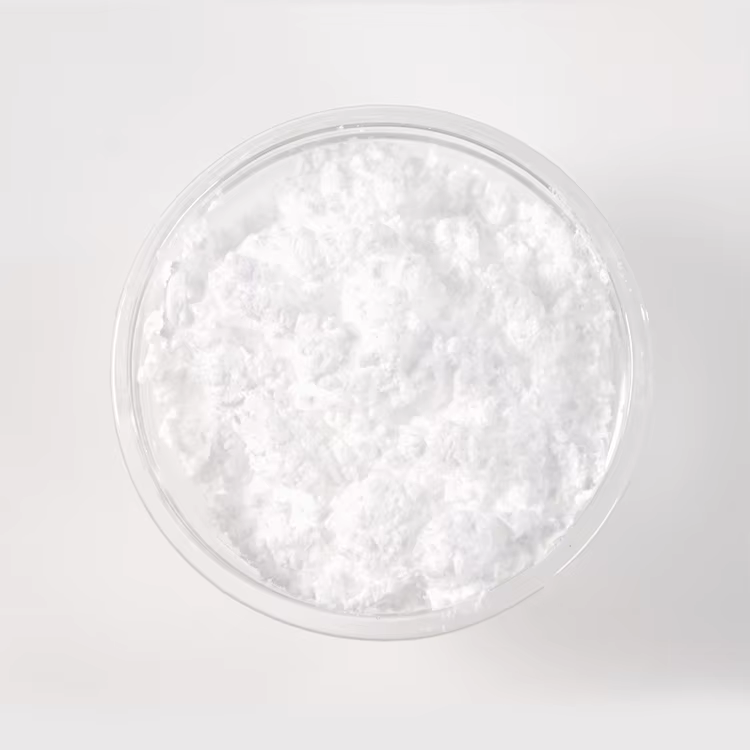
Lauryl alcohol is a straight-chain saturated fatty alcohol with 12 carbon atoms. It appears as a white, waxy solid at room temperature with a mild, fatty odor. Insoluble in water, it is soluble in organic solvents like ethanol and ether. It can be derived from natural sources like coconut oil and palm kernel oil, or can be produced synthetically from petroleum.

Key Properties and Characteristics:

  • Emollient: Lauryl alcohol acts as an emollient, softening and soothing the skin. It helps to create a smooth and supple feel in cosmetic products.
  • Emulsifier: It can contribute to the stability of emulsions by helping to blend oil and water-based ingredients together.
  • Viscosity Enhancer: Lauryl alcohol can increase the viscosity of formulations, giving them a more desirable texture and consistency.
  • Foam Booster: In some formulations, it can help to increase the amount and stability of foam produced.
  • Surfactant: While not a strong surfactant on its own, it can contribute to the overall surfactant activity in certain formulations.

Applications Across Industries:

The diverse properties of lauryl alcohol lead to its application in a wide array of products:

  • Cosmetics and Personal Care: This is perhaps the most common application. Lauryl alcohol is found in:
    • Creams and Lotions: For its emollient and thickening properties, enhancing the texture and feel of the product.
    • Lipsticks and Lip Balms: For emolliency and structure.
    • Hair Care Products (Shampoos, Conditioners): As a foam booster and conditioning agent.
    • Deodorants and Antiperspirants: As an emollient and solvent.
  • Detergents and Cleaning Products: It contributes to the cleaning power of detergents and helps create a stable foam.
  • Plastics and Rubber: Used as a plasticizer to improve the flexibility and workability of materials.
  • Textiles: Applied as a finishing agent to enhance the softness and drape of fabrics.
  • Lubricants: Used as an industrial lubricant, offering good lubricity and stability.
  • Chemical Synthesis: Lauryl alcohol serves as an important intermediate in the production of other chemicals, such as lauryl sulfate, which is used in many cleaning products.

Safety Considerations:

Lauryl alcohol is generally considered safe for use in cosmetic and personal care products when used as directed. However, like any ingredient, some individuals may experience sensitivity or allergic reactions. The Cosmetic Ingredient Review (CIR) Expert Panel has assessed lauryl alcohol and deemed it safe for use in cosmetics when formulated to avoid irritation.

Natural vs. Synthetic:

While lauryl alcohol can be derived from natural sources, it’s important to understand that the chemical structure is the same regardless of the source. Therefore, the performance and safety of lauryl alcohol are essentially identical whether it is naturally or synthetically derived. The key difference lies in the sustainability and environmental impact of the manufacturing process.

Conclusion:

Lauryl alcohol is a versatile and widely used ingredient that plays a crucial role in a variety of industries. Its unique combination of properties makes it a valuable component in many products we rely on every day. From creating the smooth texture of our lotions to contributing to the cleaning power of our detergents, lauryl alcohol is a silent workhorse that helps make our lives a little easier. Understanding its properties and applications allows for a greater appreciation of the science behind the products we use on a daily basis.

Reviews

There are no reviews yet.

Be the first to review “Lauryl Alcohol”

Your email address will not be published. Required fields are marked *

Add to cart