
Description
1. Product Overview
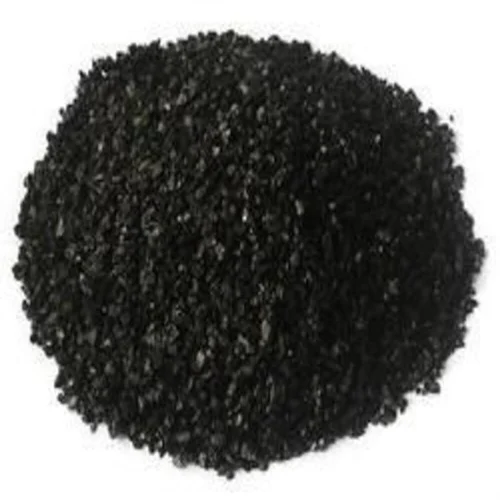
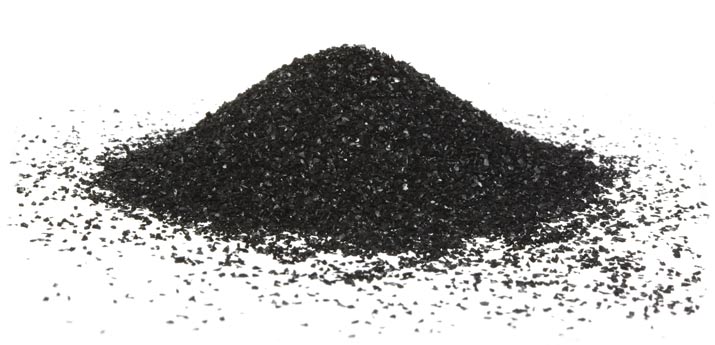
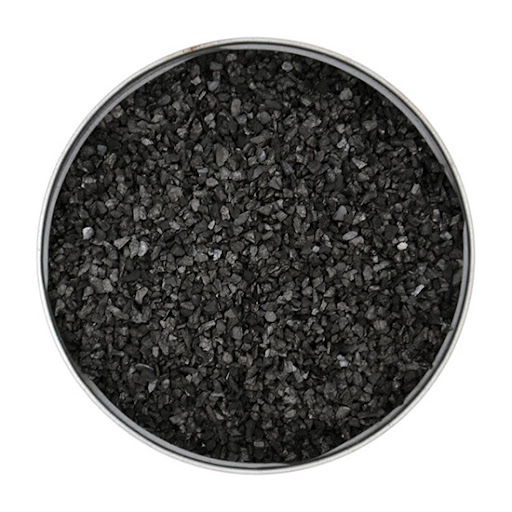
Activated Carbon for Specialty Gas Filtration is a high-performance adsorbent specifically engineered to remove contaminants from industrial and specialty gas streams. It offers exceptional chemical and physical adsorption capabilities, ensuring ultra-pure gas output critical for high-precision processes. Strategically designed for industries requiring stringent gas purity, it provides unmatched reliability and operational efficiency. Its adoption enhances process safety, extends equipment life, and supports compliance with rigorous environmental and quality standards. This product represents a strategic choice for businesses aiming to optimize gas purification performance and operational excellence.
2. Key Specifications & Technical Characteristics
- Material Composition: High-grade activated carbon derived from selected raw materials (coconut shell or coal-based)
- Purity / Grade: >99% activated carbon content
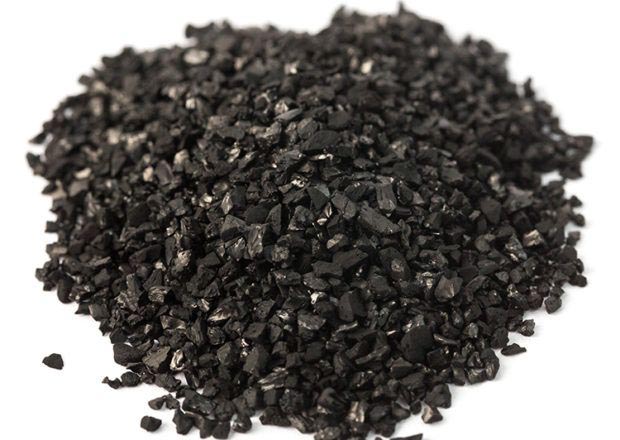
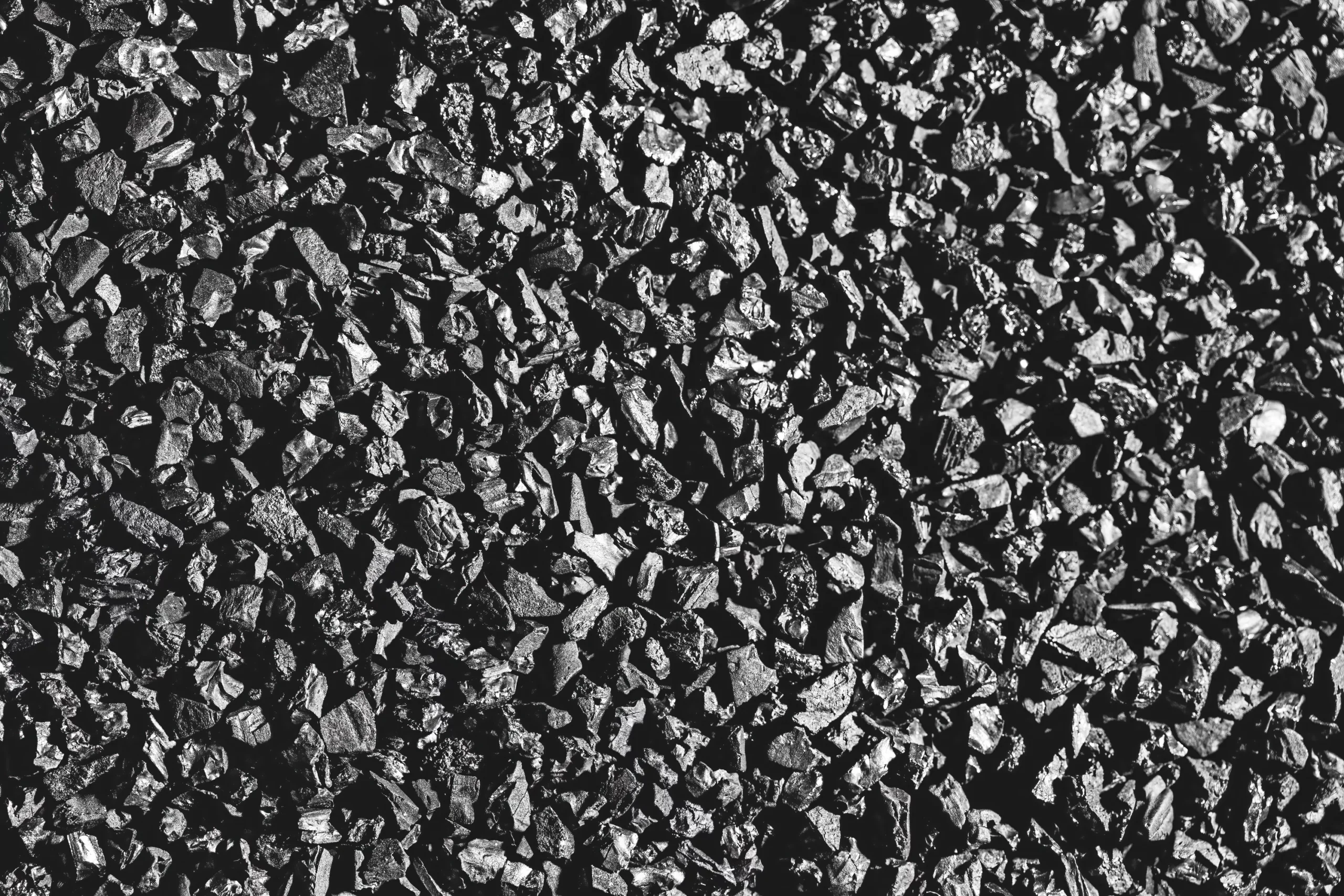
- Physical Form: Granular or pelletized
- Color: Black
- Particle Size: 2–5 mm (granules) or as per customer specification
- Density: 0.45–0.55 g/cm³ (bulk density)
- Iodine Number: ≥1000 mg/g (indicative of high adsorption capacity)
- Moisture Content: <5%
- Ash Content: <5%
- Packaging Options: 25 kg multi-layer kraft bags with inner polyethylene lining; bulk packaging available
- Shelf Life: 2 years under proper storage conditions, away from moisture and contaminants
3. Core Industrial Applications
- Primary Industries: Semiconductor, pharmaceutical, petrochemical, specialty gases, environmental control, and high-purity gas suppliers
- Operational Use Cases:
- Removal of trace impurities such as hydrogen sulfide, ammonia, VOCs, and halogens from specialty gases
- Protection of catalysts and downstream equipment from contamination
- Ensuring ultra-pure gas for analytical, laboratory, or production processes
- Performance Advantages:
- Superior adsorption efficiency compared to standard carbons
- High mechanical strength and low dust generation for minimal operational disruption
- Extended service life reduces replacement frequency, lowering operational costs
4. Competitive Advantages
- Quality Consistency: Uniform adsorption properties batch-to-batch, ensuring predictable performance
- Supply Reliability: Continuous global production with robust logistics network for timely delivery
- Logistics Capability: Flexible shipment options including bulk containers and palletized bags
- Price Competitiveness: Optimized production and sourcing allow attractive pricing without compromising quality
- Sustainability: Produced from responsibly sourced raw materials; carbon can be regenerated for reduced environmental impact
- Technical Support: Comprehensive product documentation, technical datasheets, and application guidance available
5. Commercial & Supply Information
- Minimum Order Quantity (MOQ): BULK 20 MT
- Loading Capacity: Up to 20–22 MT per 20ft container, depending on packaging format


Reviews
There are no reviews yet.