
Description
1. Product Overview
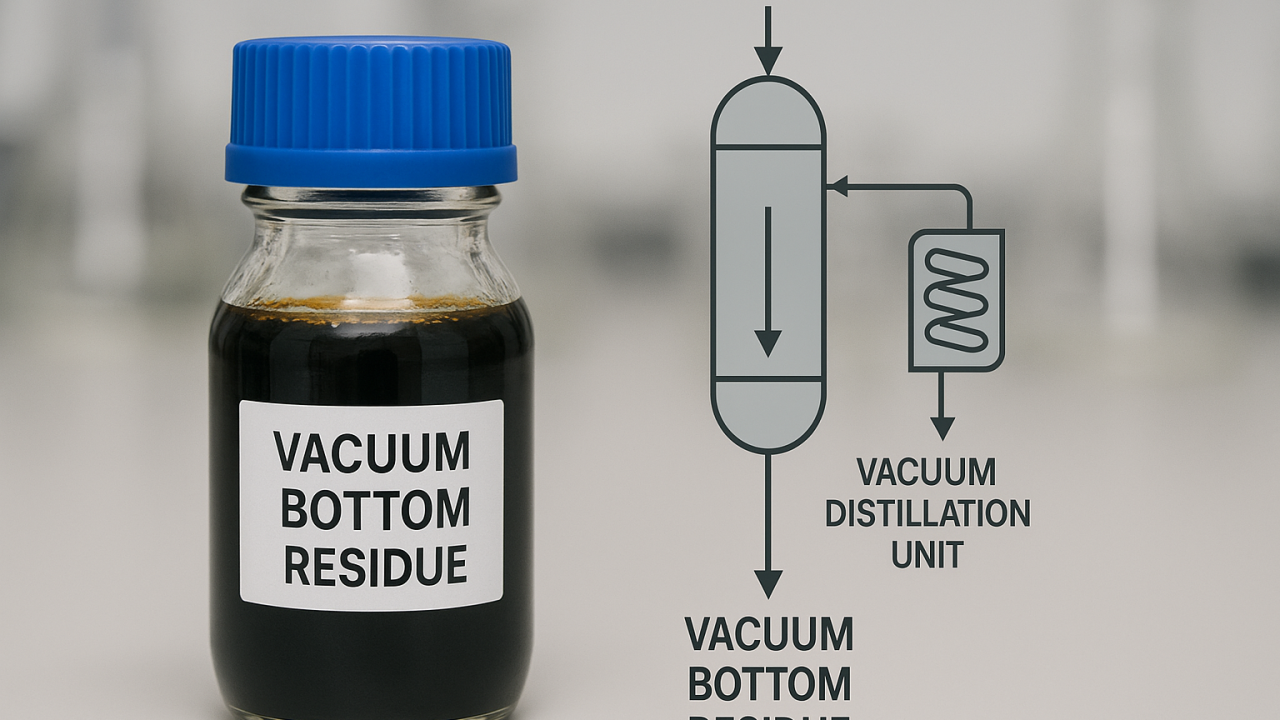
Vacuum Residue is the heaviest fraction obtained from the vacuum distillation of crude oil, remaining after lighter hydrocarbons have been separated. It serves as a critical feedstock for delayed coking units, visbreaking processes, asphalt production, and heavy fuel oil blending.
Characterized by high molecular weight hydrocarbons and elevated carbon residue content, Vacuum Residue plays a strategically important role in refinery bottom-of-the-barrel upgrading strategies. As global refineries focus on maximizing conversion rates and improving margin recovery from heavy fractions, Vacuum Residue represents a key input for value extraction and downstream optimization.
2. Key Specifications & Technical Characteristics
- Primary Composition:
- High molecular weight hydrocarbons
- Asphaltenes and resins
- Sulfur and nitrogen compounds (grade dependent)
- API Gravity: Typically <15°
- Density @ 15°C: Approx. 0.98–1.05 g/cm³
- Sulfur Content: Typically 2.0%–6.0% (depending on crude source)
- Conradson Carbon Residue (CCR): High; typically 10%–25%
- Viscosity: Very high; requires heated handling and storage
- Metals Content (Ni, V): Monitored and specified
- Flash Point: High
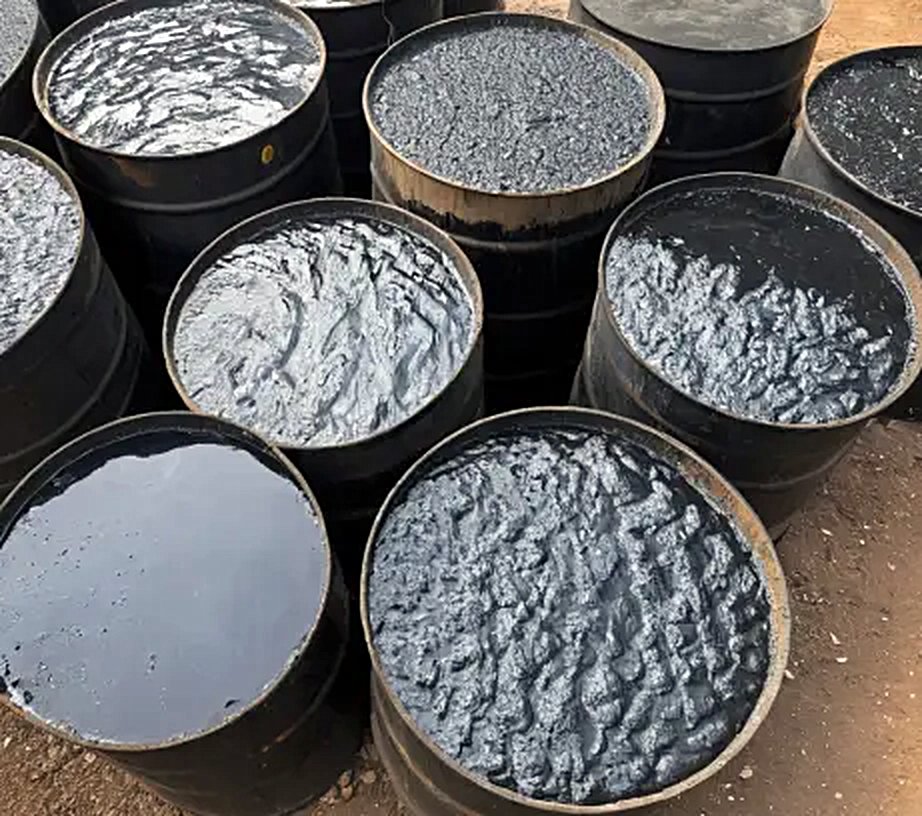
- Form: Heavy viscous liquid / semi-solid (temperature dependent)
- Color: Black
- Handling Requirements: Heated tanks, pipelines, and ISO tank systems
- Packaging Options:
- Bulk vessel shipment
- 20ft ISO tank containers (heated)
- Direct tank-to-tank transfer
- Shelf Life: Stable under proper heated storage conditions
3. Core Industrial Applications
Primary Industries
- Oil refineries
- Petrochemical complexes
- Asphalt and bitumen producers
- Marine and industrial fuel blenders
Operational Use Cases
- Feedstock for delayed coking units to produce petroleum coke and lighter distillates
- Visbreaking input for viscosity reduction and fuel oil production
- Bitumen and asphalt manufacturing
- Blending component for heavy fuel oil formulations
Performance & Cost Advantages
Vacuum Residue offers high conversion potential in secondary processing units, enabling refineries to extract additional value from heavy crude fractions. In delayed coking operations, it serves as a primary input for producing petroleum coke and lighter hydrocarbon streams.
Compared to lighter feedstocks, Vacuum Residue supports margin optimization by enabling bottom-of-the-barrel upgrading. Its use in asphalt production provides durable binding properties and consistent performance in infrastructure applications.
4. Competitive Advantages
- Quality Consistency: Controlled refinery sourcing with detailed product assay and laboratory reporting.
- Supply Reliability: Stable availability aligned with refinery production schedules and long-term contracts.
- Logistics Capability: Bulk vessel transport and heated ISO tank solutions with international shipping coordination.
- Price Competitiveness: Strategic pricing aligned with refining margin optimization and heavy fuel market dynamics.
- Operational Compatibility: Monitored sulfur, metals, and CCR levels to ensure downstream processing efficiency.
- Technical Documentation: Full assay reports, specification sheets, and compliance documentation available upon request.
Vacuum Residue is positioned as a strategic refinery feedstock solution for operators seeking maximum value recovery, process optimization, and integrated downstream profitability.
5. Commercial & Supply Information
- Minimum Order Quantity (MOQ): Bulk 20 MT
- Loading Capacity:
- 20ft ISO Tank Container: Approx. 20–25 MT
- Bulk Vessel Shipment: As per contractual volume agreements
Long-term supply agreements and structured trading contracts are available for qualified industrial buyers.

Reviews
There are no reviews yet.