
Description
1. Product Overview
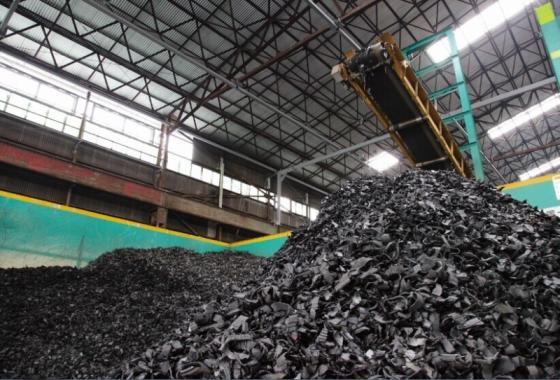
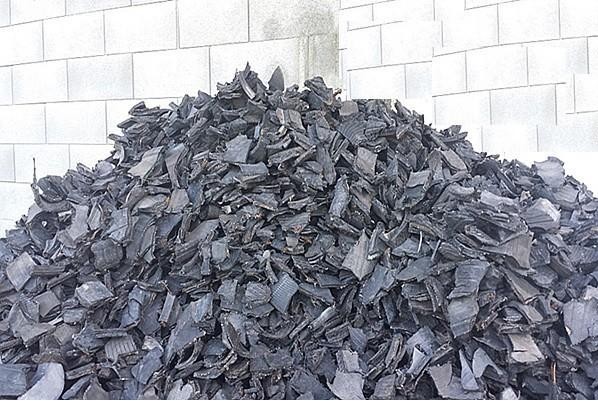
Tire-Derived Fuel (TDF) is a high-energy alternative fuel produced from processed end-of-life tires, engineered for efficient industrial combustion. It serves as a cost-effective and energy-dense substitute for conventional fossil fuels in heavy industrial operations such as cement kilns, pulp and paper mills, and utility boilers. With a calorific value comparable to high-grade coal, TDF delivers reliable thermal performance while reducing fuel costs and supporting waste-to-energy initiatives. Strategically, it plays a critical role in industrial decarbonization and circular economy models by converting waste tires into a valuable energy resource.
2. Key Specifications & Technical Characteristics
- Material Composition: Processed rubber from end-of-life tires containing natural rubber, synthetic rubber, carbon black, steel trace elements, and reinforcing fibers
- Energy Content (Calorific Value): Typically 28–35 MJ/kg (comparable to or higher than coal)
- Moisture Content: Typically <2%
- Ash Content: Approximately 10–15% depending on processing and tire composition
- Sulfur Content: Generally lower than many grades of coal
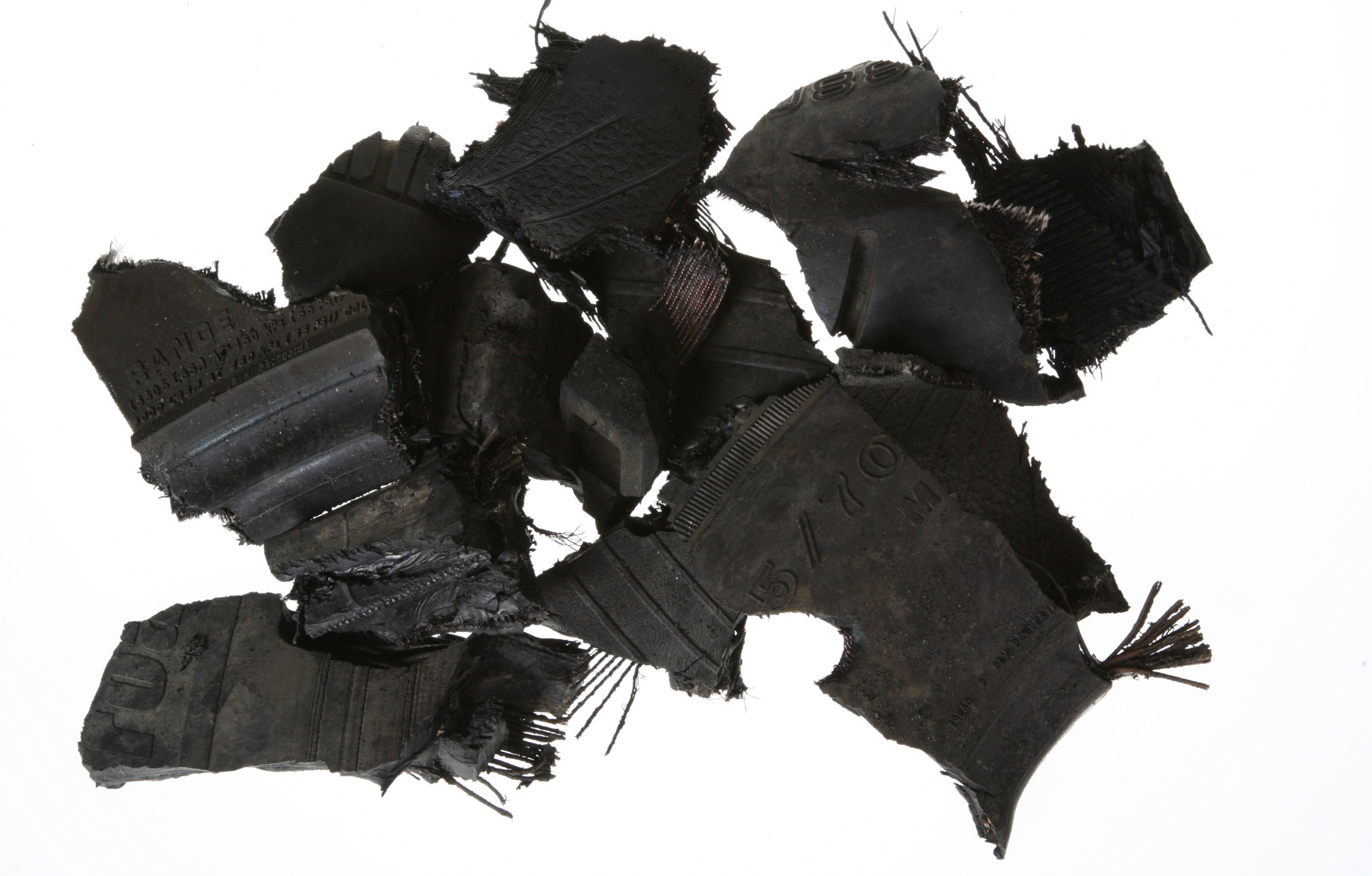
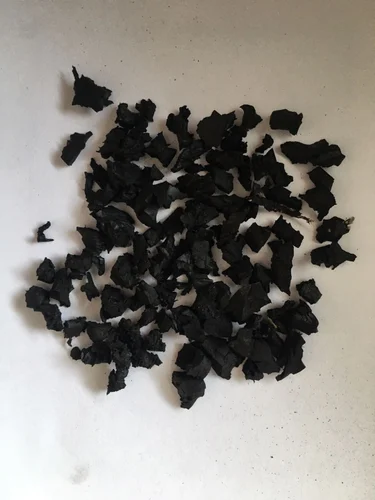
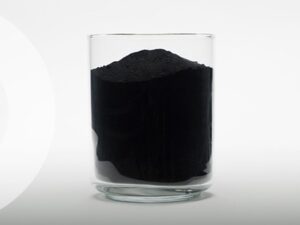
- Physical Form: Shredded tire chips or granulated rubber pieces
- Particle Size: Typically 25–100 mm chips (custom sizes available depending on application)
- Color: Black
- Bulk Density: Approximately 300–500 kg/m³ depending on shred size
- Packaging Options:
- Bulk loose loading
- Jumbo bags (1 MT)
- Customized bulk packaging upon request
- Shelf Life: Indefinite under dry storage conditions
3. Core Industrial Applications
Primary Industries:
- Cement manufacturing
- Pulp and paper mills
- Power generation and industrial boilers
- Lime production plants
- Steel and metallurgical processing facilities
Operational Use Cases:
- Alternative fuel for rotary cement kilns
- Supplemental fuel for utility and industrial boilers
- Thermal energy source in high-temperature manufacturing processes
- Waste-to-energy fuel streams in integrated resource recovery systems
Performance Advantages:
- Higher calorific value compared to many coal grades, enabling greater energy output per unit of fuel
- Consistent combustion characteristics suitable for high-temperature industrial processes
- Reduced fuel procurement costs compared to traditional fossil fuels
- Lower moisture levels improve combustion efficiency and handling stability
- Metal content from tire reinforcement can provide minor material value in certain industrial processes (e.g., cement kilns)
4. Competitive Advantages
- Quality Consistency: Uniform shredding and controlled processing ensure predictable energy performance and combustion stability.
- Supply Reliability: Sourced from established tire recycling streams ensuring continuous and scalable supply availability.
- Logistics Capability: Global bulk shipping support with flexible packaging and containerized transport options.
- Price Competitiveness: Offers significant cost savings compared to traditional fossil fuels such as coal or petroleum coke.
- Sustainability Benefits: Diverts end-of-life tires from landfills while contributing to circular economy and waste-to-energy strategies.
- Technical Documentation: Fuel analysis, combustion guidelines, and safety documentation available to support industrial integration.
5. Commercial & Supply Information
- Minimum Order Quantity (MOQ): BULK 20 MT
- Loading Capacity: 20–25 MT per 20’ container depending on shred size and packing configuration


Reviews
There are no reviews yet.