
Description
1. Product Overview
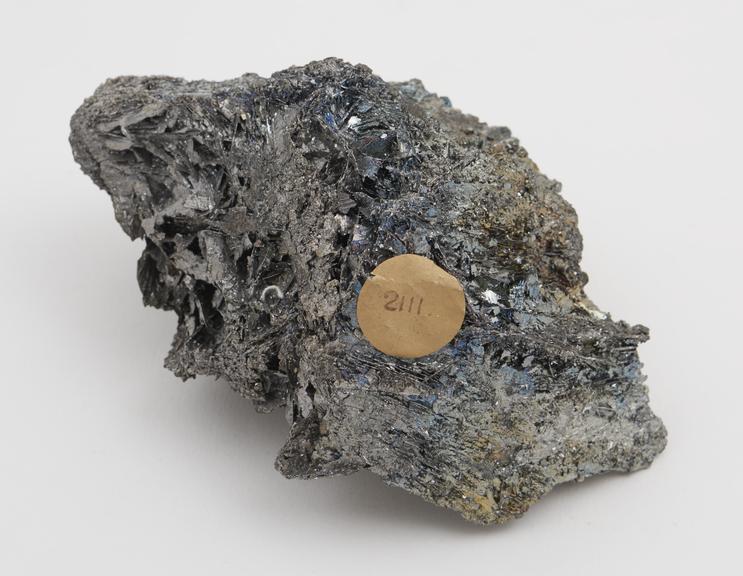
Tin Slag is a tin-bearing by-product generated during primary and secondary tin smelting operations. It contains recoverable tin values along with other metallic and mineral components, making it a valuable secondary raw material for metallurgical recovery and reprocessing. Primarily used as feedstock in tin recovery furnaces and alloy production, Tin Slag offers industrial buyers a cost-efficient alternative to primary tin concentrates. In a market characterized by supply volatility and rising raw material costs, Tin Slag represents a strategically important input for optimizing metal yield, reducing procurement expenses, and supporting circular economy objectives.
2. Key Specifications & Technical Characteristics
- Chemical Composition:
- Tin (Sn): Typically 10%–40% (grade dependent)
- Iron (Fe): Variable balance
- Silicon (SiO₂), Calcium (CaO), Aluminum (Al₂O₃)
- Trace elements: Lead (Pb), Antimony (Sb), Copper (Cu), and other residual metals (as per assay report)
- Purity / Grade:
- Industrial-grade tin-bearing slag
- Customizable grading based on tin recovery requirements
- Physical Characteristics:
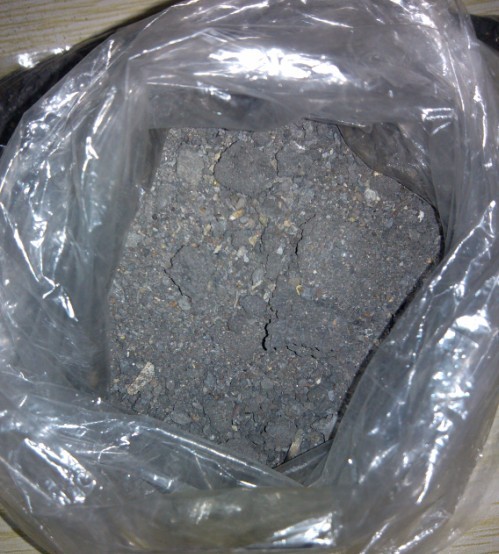
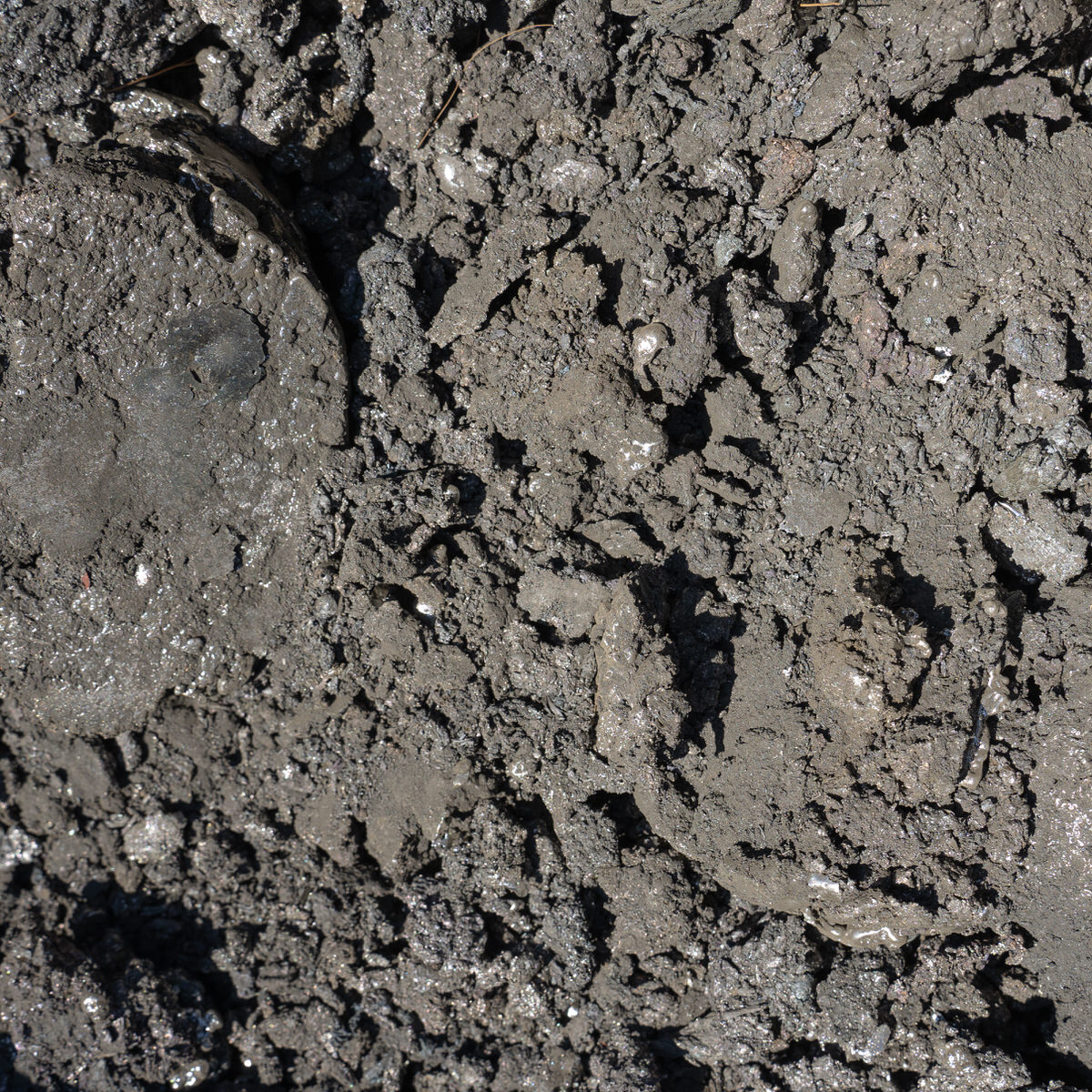
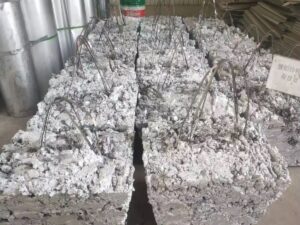
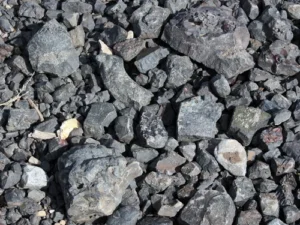
- Form: Granular, lumpy, or crushed slag material
- Color: Grey to dark grey
- Particle size: Variable (fine crushed to larger lumps)
- Moisture content: Controlled and minimized
- Bulk density: In accordance with metallurgical handling standards
- Packaging Options:
- 1 MT jumbo bags (FIBC)
- Bulk loose loading
- Steel drums (upon request)
- Shelf Life:
- Chemically stable under dry storage conditions
- Recommended storage: Covered and moisture-controlled environment
3. Core Industrial Applications
Primary Industries:
- Tin smelting and refining facilities
- Alloy and solder manufacturers
- Metal recovery and recycling operations
- Secondary metallurgy plants
Operational Use Cases:
- Recovery of metallic tin through re-smelting processes
- Feedstock blending for secondary tin production
- Raw material input for alloy adjustment in metallurgical operations
- Cost optimization in tin unit procurement strategies
Performance & Commercial Advantages:
- Provides recoverable tin units at significantly lower cost than primary concentrates
- Enhances flexibility in furnace charge mix
- Improves overall metal yield when processed under controlled smelting conditions
- Reduces dependence on mined tin ore
- Supports sustainable material recovery initiatives
4. Competitive Advantages
- Quality Consistency: Batch-controlled sourcing with detailed assay reports ensuring predictable tin recovery performance.
- Supply Reliability: Steady bulk availability with scalable volume commitments for long-term contracts.
- Logistics Capability: Containerized bulk loading, export-ready documentation, and international shipping coordination.
- Price Competitiveness: Tin-content-based pricing model optimizing cost per recoverable tin unit.
- Sustainability: Promotes secondary metal recovery, reducing environmental impact compared to primary mining operations.
- Technical Support: Full chemical analysis, MSDS documentation, and metallurgical consultation available upon request.
Tin Slag is positioned as a strategic sourcing decision for industrial buyers focused on cost efficiency, supply security, and sustainable tin resource management.
5. Commercial & Supply Information
- Minimum Order Quantity (MOQ): BULK 20 MT
- Loading Capacity:
- 20’ Container: Approx. 20–22 MT
- 40’ Container: Approx. 26–28 MT (subject to packaging configuration)

Reviews
There are no reviews yet.