
Description
Introduction – Why a Tiny Particle Can Make a Big Difference
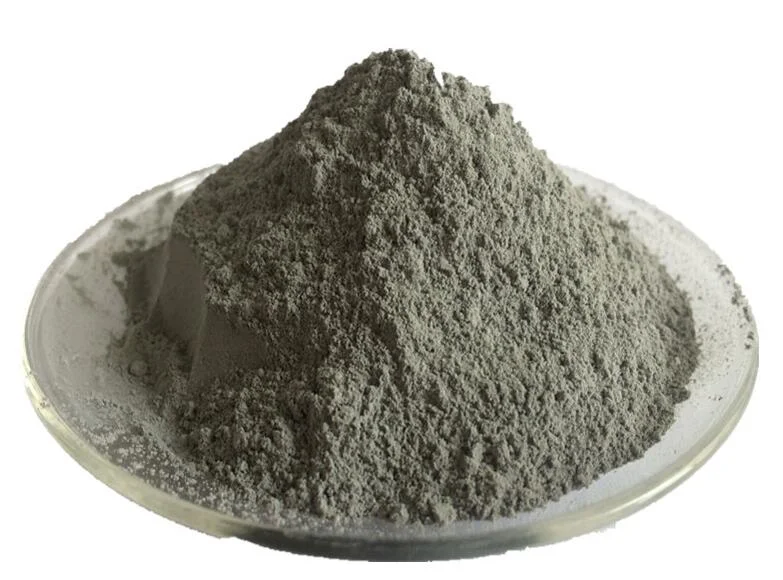
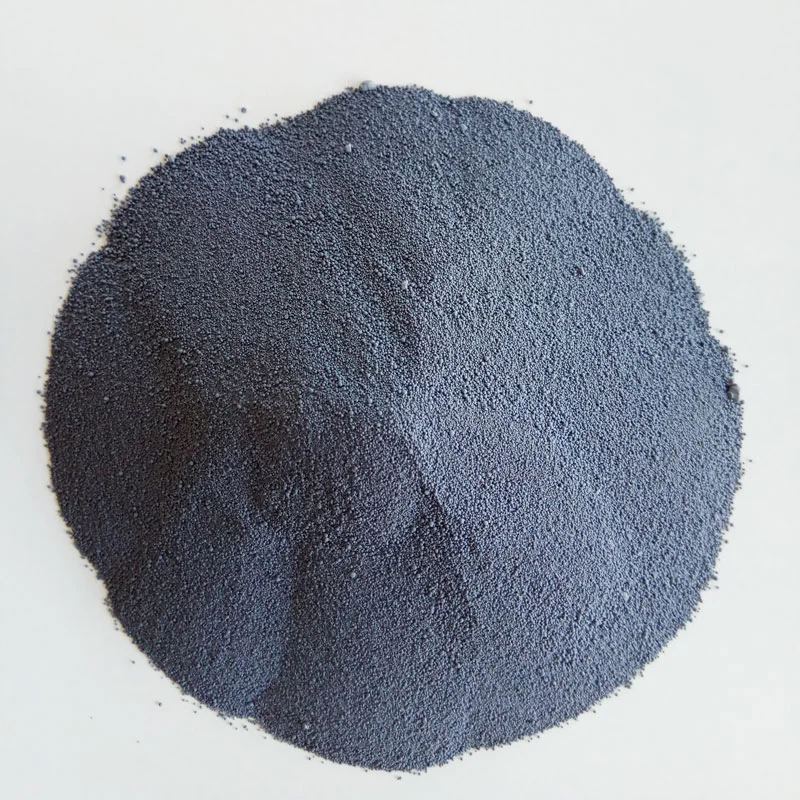
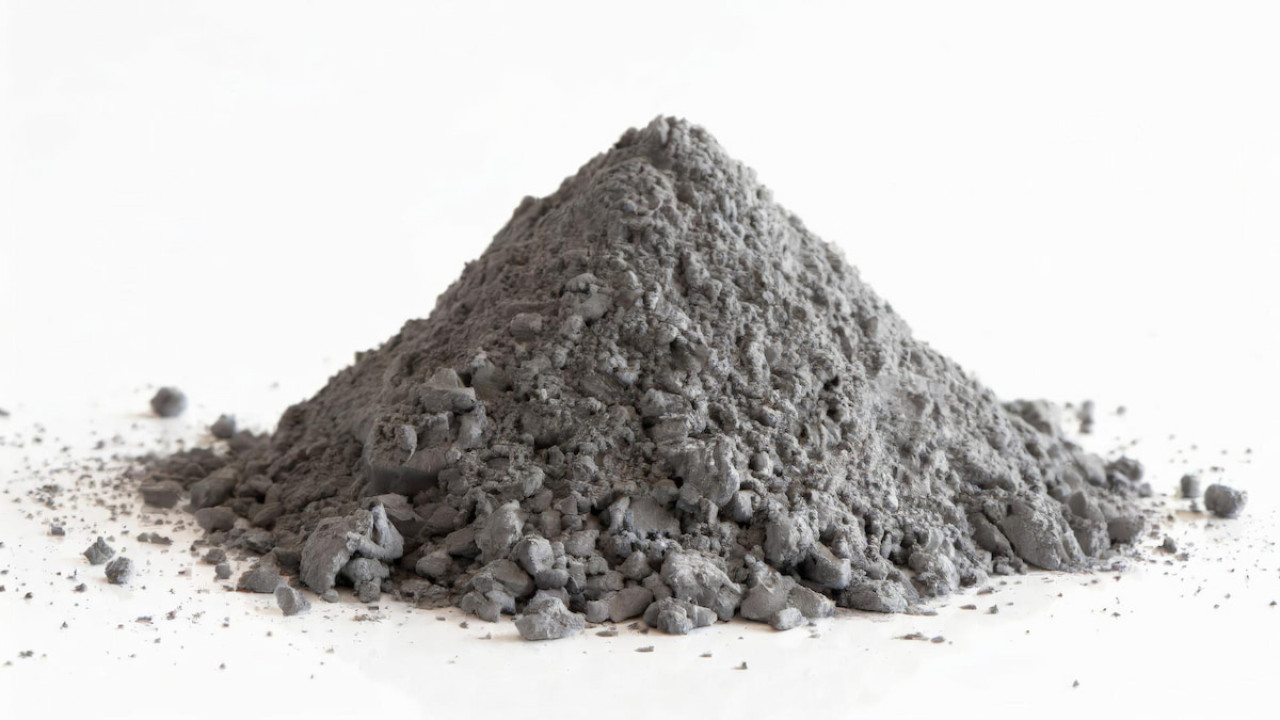
If you’ve ever walked on a freshly poured slab and felt the smooth, almost glass‑like surface, chances are silica fume played a starring role in that performance. Often dubbed the “super‑powder” of the concrete world, silica fume is a by‑product that packs a heavyweight punch when it comes to strength, durability, and sustainability. In this post we’ll dive into what silica fume is, how it’s made, why engineers love it, and where you’ll find it in the field today.
1. What Exactly Is Silica Fume?
| Attribute | Details |
|---|---|
| Chemical name | Amorphous silicon dioxide (SiO₂) |
| Particle size | 0.1 – 0.3 µm (≈ 100 times finer than cement) |
| Shape | Spherical, glass‑like particles |
| Specific surface area | 15,000–30,000 m²/kg (≈ 20–30 m²/g) |
| Density | ~2.2 g/cm³ (lighter than cement) |
| Origin | By‑product of the silicon metal or ferrosilicon alloy industry (the “silicothermic reduction” of quartz in electric furnaces) |
Because the particles are so fine, silica fume behaves more like a nano‑material than a conventional powder. That gives it an outsized ability to fill the microscopic voids that ordinary cement paste can’t reach.
2. How Is Silica Fume Produced?
- Silicon Metal Production – Quartz (SiO₂) is reduced in an electric arc furnace with carbon to produce silicon metal.
- Silicothermic Reaction – The hot silicon reacts with a small amount of oxygen, forming a fine silica vapor.
- Condensation – The vapor cools rapidly and condenses into ultra‑fine spherical particles.
- Collection – Cyclone separators and bag filters capture the particles as a dry powder, ready for shipment.
Key point: Silica fume is “free” in the sense that it’s a by‑product, turning waste into a high‑value construction material.
3. The Science Behind Its Benefits
3.1 Pozzolanic Activity
Silica fume is pozzolanic, meaning it reacts with calcium hydroxide (CH) released during cement hydration:
CH + SiO₂ (from silica fume) + H₂O → C‑S‑H (Calcium‑Silicate‑Hydrate)
The resulting C‑S‑H gel is denser and stronger than the gel formed by ordinary Portland cement (OPC) alone.
3.2 Filler Effect
Even before the pozzolanic reaction starts, the ultra‑fine particles physically fill voids between cement grains, reducing water demand and tightening the micro‑structure.
3.3 Densification & Reduced Permeability
Less capillary porosity = lower water absorption, fewer pathways for chlorides and sulfates, which translates to enhanced durability (think longer‑lasting bridges, parking decks, and marine structures).
4. Typical Dosage & Mix Design
| Concrete Type | Typical Silica Fume Replacement | Water‑to‑Cementitious Ratio (w/c) |
|---|---|---|
| High‑Performance Concrete (HPC) | 5‑15 % by weight of cement | 0.30‑0.35 |
| Self‑Compacting Concrete (SCC) | 6‑12 % | 0.30‑0.38 |
| Shotcrete / Sprayed Concrete | 8‑12 % | 0.35‑0.40 |
| Repair Mortars | 10‑20 % | 0.30‑0.45 |
Tip: Because silica fume raises the mix’s surface tension, a high‑range water reducer (HRWR) or superplasticizer is almost always required to maintain workability.
5. Real‑World Applications
| Application | Why Silica Fume? |
|---|---|
| Pre‑cast structural elements (beams, columns, panels) | Boosts early strength → faster demoulding |
| Bridge decks & overpasses | Improves resistance to de‑icing salts & freeze–thaw cycles |
| Marine & offshore structures | Cuts chloride penetration → longer service life |
| Industrial flooring (warehouses, factories) | Higher compressive strength & abrasion resistance |
| Shotcrete for tunnels & underground | Better adhesion, reduced rebound, higher tensile strength |
| High‑rise construction | Allows for thinner sections and higher load‑bearing capacity |
| Sustainable “green” concrete | By‑product utilization reduces cement clinker demand → lower CO₂ footprint |
6. Handling & Safety Considerations
| Issue | Recommended Practice |
|---|---|
| Dust inhalation | Use respiratory protection (N‑95 or higher) and adequate ventilation. |
| Moisture sensitivity | Store in airtight containers; moisture can cause lumping, reducing pozzolanic efficiency. |
| Agglomeration | Pre‑mix silica fume with a small portion of water‑reducer or cement before adding to the bulk mix. |
| Compatibility | Verify that the HRWR is compatible; some polycarboxylate ethers can be “over‑dosed” when silica fume is present. |
| Environmental | Silica fume is non‑hazardous, but dust control is required under OSHA/OSHA‑like regulations. |
7. Sustainability Angle – Turning Waste Into Value
- CO₂ Reduction: Replacing 10 % of OPC with silica fume can cut the carbon intensity of concrete by roughly 0.3 t CO₂/ton of concrete.
- Circular Economy: Silicon metal production would generate the same amount of silica fume regardless of its use in concrete – finding a market for it closes the loop.
- Long‑Term Service Life: More durable structures mean fewer repairs and less material consumption over a building’s lifespan.
Bottom line: Silica fume is a win‑win for performance and the planet.
8. Emerging Trends & Research
| Trend | What It Means for the Industry |
|---|---|
| Nano‑engineered silica fume | Tailoring particle size distribution for ultra‑high‑strength (>150 MPa) concrete. |
| Hybrid pozzolans | Combining silica fume with fly ash, metakaolin, or limestone filler to balance workability and cost. |
| 3D‑printed concrete | Silica fume improves buildability and early strength, essential for rapid layer deposition. |
| Self‑healing concrete | Silica fume-augmented mixes show better formation of calcium carbonate crystals that seal micro‑cracks. |
| Digital mix design tools | AI‑driven platforms now recommend optimal silica fume dosage based on project‑specific durability criteria. |
9. Quick Checklist – Is Silica Fume Right for Your Project?
- Durability Requirements? (chloride, sulfate, freeze‑thaw) → Yes
- High Early Strength Needed? → Yes (especially for precast or fast‑track construction)
- Workability Constraints? → Plan for a superplasticizer
- Budget Sensitivity? → Consider hybrid pozzolan blends to offset cost
- Sustainability Goals? → Highly favorable
If you answered “yes” to most of these, start a dialogue with your concrete supplier about a silica‑fume‑enhanced mix.
10. Closing Thoughts
Silica fume may be a tiny speck of glass, but its impact on modern concrete is monumental. From towering skyscrapers to resilient bridges, this “super‑powder” is a cornerstone of high‑performance, low‑carbon construction. As research pushes the boundaries of nano‑technology and digital mix design, silica fume’s role will only expand—making tomorrow’s structures stronger, smarter, and greener.
Reviews
There are no reviews yet.