
Description
1. Product Overview
Recovered Carbon Black (rCB) is a high-value industrial material produced through the thermal recovery and processing of end-of-life tires and rubber products. It serves as a sustainable alternative to virgin carbon black and is widely used as a reinforcing filler and pigment in rubber, plastics, coatings, and industrial materials. By maintaining strong performance characteristics while significantly reducing environmental impact, rCB enables manufacturers to lower raw material costs and meet increasing sustainability targets. As global industries accelerate circular economy initiatives, recovered carbon black has become a strategically important resource in sustainable manufacturing and materials engineering.
2. Key Specifications & Technical Characteristics
- Chemical Composition: Predominantly elemental carbon with trace inorganic ash from tire mineral additives
- Carbon Content: Typically 70–85% fixed carbon
- Ash Content: Approximately 10–20% depending on feedstock and recovery process
- Volatile Matter: Typically 5–15%
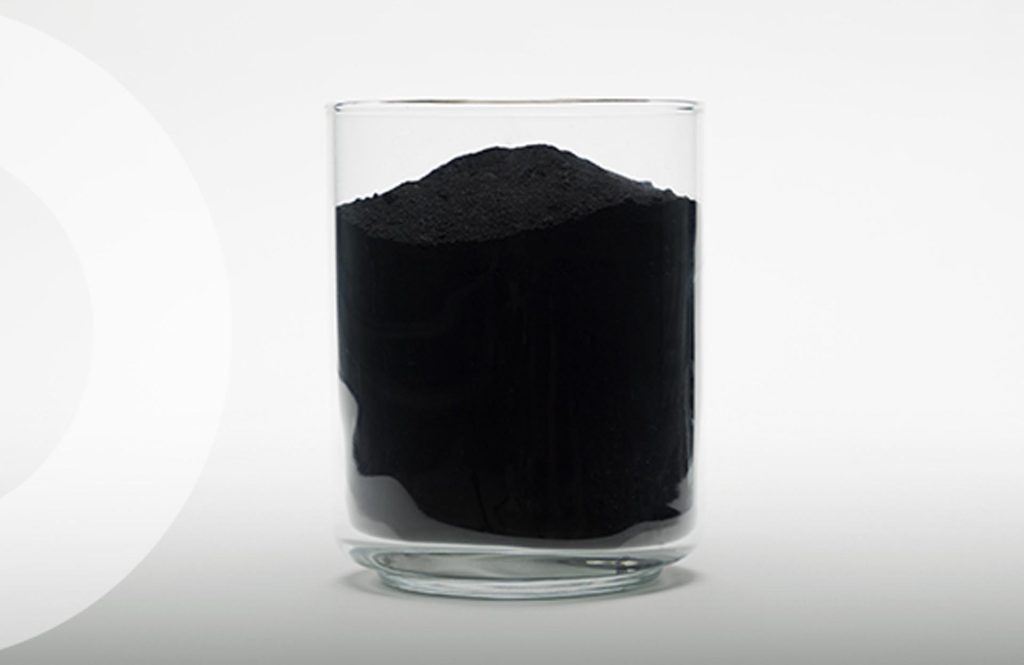
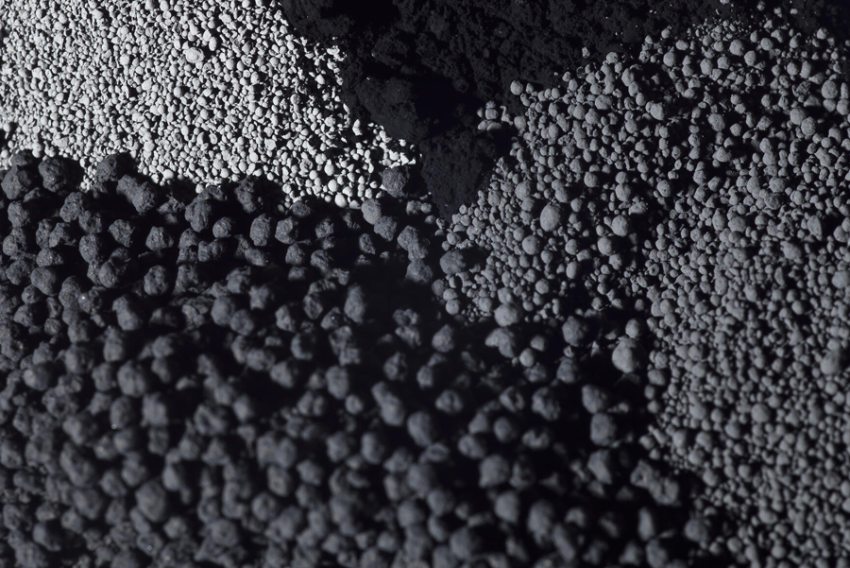
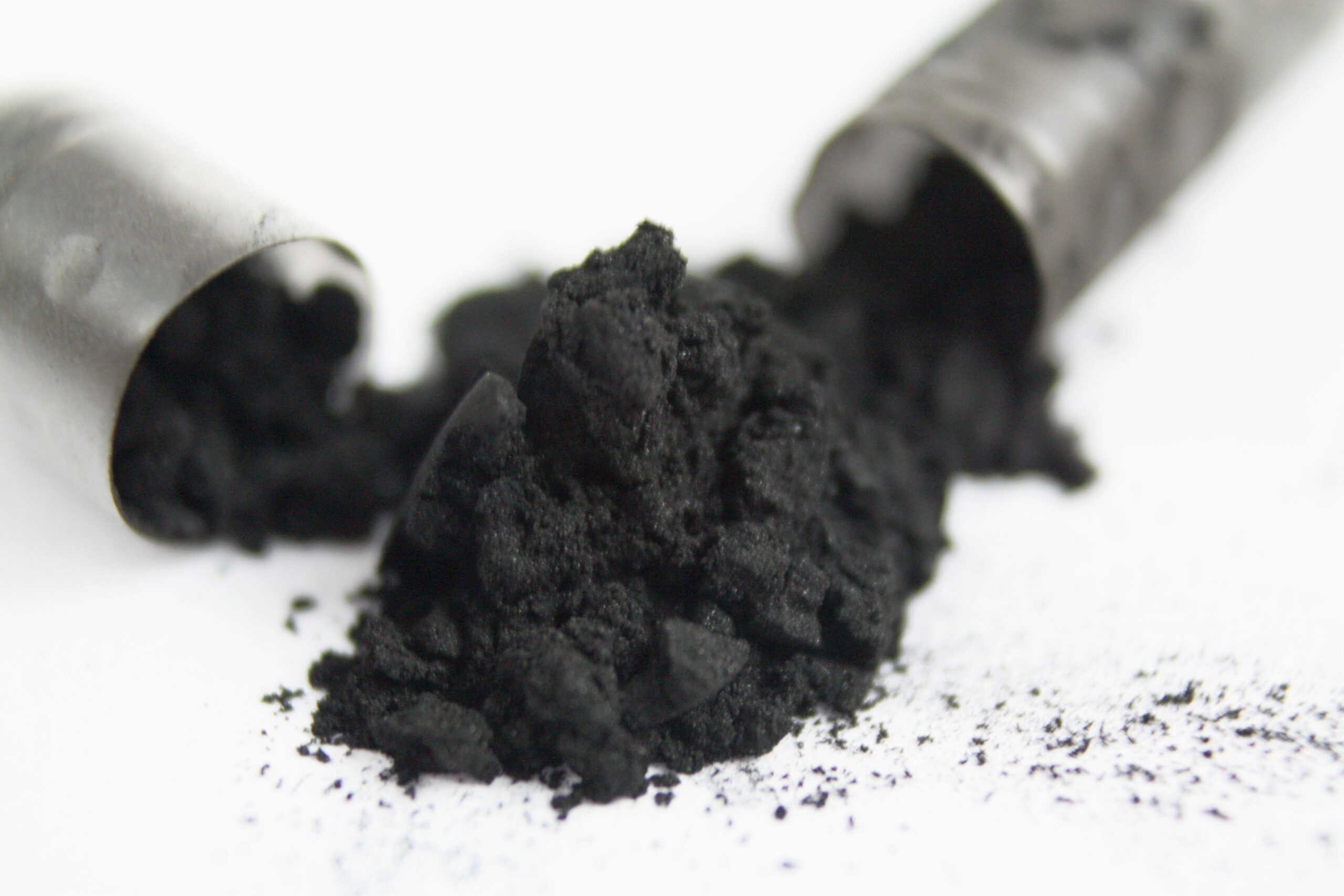
- Physical Form: Fine black powder or granulated material
- Color: Deep black
- Particle Size: Generally 20–100 microns depending on milling and classification process
- Surface Area (BET): Typically 50–90 m²/g depending on processing conditions
- Bulk Density: Approximately 0.30–0.45 g/cm³
- Moisture Content: Typically <2%
- Packaging Options: Bulk bags (1 MT), smaller industrial bags, or bulk container loading
- Shelf Life: Indefinite when stored in dry, sealed conditions
3. Core Industrial Applications
Recovered Carbon Black is used across multiple manufacturing sectors that require reinforcing fillers, pigmentation, and conductivity-enhancing materials.
- Rubber & Tire Manufacturing: Used as a reinforcing filler in rubber compounds for tires, conveyor belts, hoses, seals, and molded rubber goods, improving tensile strength and abrasion resistance.
- Plastics & Polymer Compounding: Applied as a cost-effective black pigment and UV stabilizer in plastic products such as pipes, films, automotive components, and packaging materials.
- Coatings & Inks: Utilized as a functional pigment providing coloration, conductivity, and improved durability in coatings, printing inks, and industrial paints.
- Construction Materials: Incorporated into asphalt, sealants, and roofing materials to enhance durability and weather resistance.
Compared with virgin carbon black, rCB provides strong economic advantages while maintaining functional performance in many industrial formulations, making it an attractive material for manufacturers seeking both cost efficiency and sustainability compliance.
4. Competitive Advantages
- Quality Consistency: Controlled pyrolysis recovery and post-processing ensure reliable particle characteristics and carbon content
- Reliable Supply: Continuous sourcing from large-scale tire recycling streams supports steady industrial supply volumes
- Efficient Logistics: Bulk export capability with flexible packaging solutions for global buyers
- Price Competitiveness: Significantly lower cost compared with virgin carbon black while maintaining industrial usability
- Sustainability Benefits: Reduces tire waste, lowers carbon footprint, and supports circular economy manufacturing models
- Technical Documentation: Material specifications, quality reports, and technical data sheets available for procurement and formulation integration
5. Commercial & Supply Information
- Minimum Order Quantity (MOQ): BULK 20 MT
- Loading Capacity: 20–25 MT per 20-ft container depending on packaging configuration
Reviews
There are no reviews yet.