
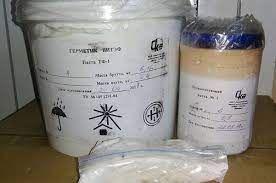
Description
Polysulfide Polymers: Resilient Materials for Demanding Applications
In the vast lexicon of synthetic materials, polysulfide polymers stand out as a unique and indispensable class of elastomers. Characterized by the presence of distinctive sulfur-sulfur linkages within their molecular structure, these polymers are renowned for their exceptional resistance to chemicals, solvents, and environmental degradation, making them a critical choice in industries where durability and reliability are paramount.
Understanding the Structure and Synthesis
At their core, polysulfide polymers feature a hydrocarbon backbone interspersed with polysulfide linkages (–Sₓ–), where ‘x’ typically ranges from 2 to 4. This high sulfur content is fundamental to their unique chemical and physical properties.
The most common method of production involves the polycondensation reaction of organic dihalides (such as bis-(2-chloroethyl)formal) with alkali metal polysulfides (like sodium polysulfide). This reaction yields long polymer chains, the properties of which can be tailored by controlling factors such as the molecular weight, the type of organic dihalide, and the average number of sulfur atoms per polysulfide linkage. The resulting polymers can range from viscous liquids to solid rubbers, depending on their molecular weight and cross-linking density.
Key Properties that Define Polysulfide Polymers
Polysulfide polymers possess a suite of properties that make them invaluable for specialized applications:
- Exceptional Chemical Resistance: This is perhaps their most defining characteristic. They exhibit outstanding resistance to a wide array of aggressive chemicals, including fuels (jet fuel, gasoline), oils, greases, solvents, acids, and bases.
- Excellent Solvent Resistance: Their unique structure renders them highly impermeable to many organic solvents that would degrade other elastomers.
- Low Gas Permeability: Polysulfides have very low permeability to gases, making them ideal for applications requiring a strong barrier against gas diffusion.
- Low-Temperature Flexibility: Unlike some polymers that become brittle in the cold, polysulfides maintain flexibility and elasticity even at very low temperatures (down to -50°C and below).
- Weathering and UV Resistance: They demonstrate excellent resistance to ozone, UV radiation, and general weathering, ensuring long-term performance in outdoor environments.
- Good Adhesion: When formulated correctly, they exhibit strong adhesion to a variety of substrates, including metals, concrete, glass, and other plastics.
- Service Temperature Range: While excelling at low temperatures, they also perform reliably at moderate elevated temperatures, typically up to 100-120°C.
- Characteristic Odor: It’s worth noting that polysulfide polymers often possess a distinct, sulfurous odor, which can be a consideration in some applications.
Diverse Applications Across Industries
Given their robust properties, polysulfide polymers find critical use in several demanding sectors:
- Aerospace: Polysulfide sealants are the go-to material for integral fuel tanks in aircraft. Their unparalleled resistance to jet fuel, coupled with excellent adhesion and flexibility across wide temperature ranges, ensures the integrity and safety of fuel systems. They are also used for sealing aircraft body joints and rivets.
- Construction: In the building and construction industry, polysulfide sealants are used for expansion joints, curtain wall construction, and sealing around windows and doors. Their durability and resistance to weathering ensure long-lasting performance in various climatic conditions.
- Automotive: They are employed in specialized automotive applications, particularly where resistance to fuels and oils is critical, such as in fuel system components and certain gasketing applications.
- Insulating Glass Units (IGUs): Polysulfide polymers serve as secondary sealants in double- and triple-pane insulating glass units. Their low gas permeability helps maintain the insulating gas (like argon or krypton) within the unit, crucial for thermal performance.
- Industrial Linings and Coatings: Due to their chemical resistance, they are used as protective linings for chemical containment vessels, pipelines, and sumps in industrial settings.
- Marine: In marine applications, polysulfides are used as decking compounds and sealants for submerged areas, resisting saltwater corrosion and marine growth.
Advantages and Limitations
Advantages:
- Superior chemical and solvent resistance.
- Excellent low-temperature flexibility.
- High impermeability to gases.
- Exceptional durability and long service life.
- Good adhesion to diverse substrates.
Limitations:
- Characteristic sulfurous odor.
- Can be more difficult to process (e.g., higher viscosity, longer cure times) than some other elastomers.
- Generally higher cost compared to commodity polymers.
- Limited color options (often darker due to sulfur content).
Future Outlook
As industries continue to demand materials that can withstand increasingly harsh environments and deliver extended service life, the role of polysulfide polymers remains secure. Ongoing research focuses on improving their processing characteristics (e.g., faster curing, lower viscosity), reducing their inherent odor, and exploring sustainable synthesis routes to enhance their environmental profile.
Conclusion
Polysulfide polymers, with their distinctive sulfur chemistry, represent an indispensable class of high-performance materials. Their unparalleled resistance to challenging chemical and environmental conditions makes them the material of choice for critical sealing, bonding, and coating applications across aerospace, construction, automotive, and industrial sectors. As technology advances, these resilient polymers will continue to evolve, underpinning the reliability and safety of countless modern-day innovations.


Reviews
There are no reviews yet.