
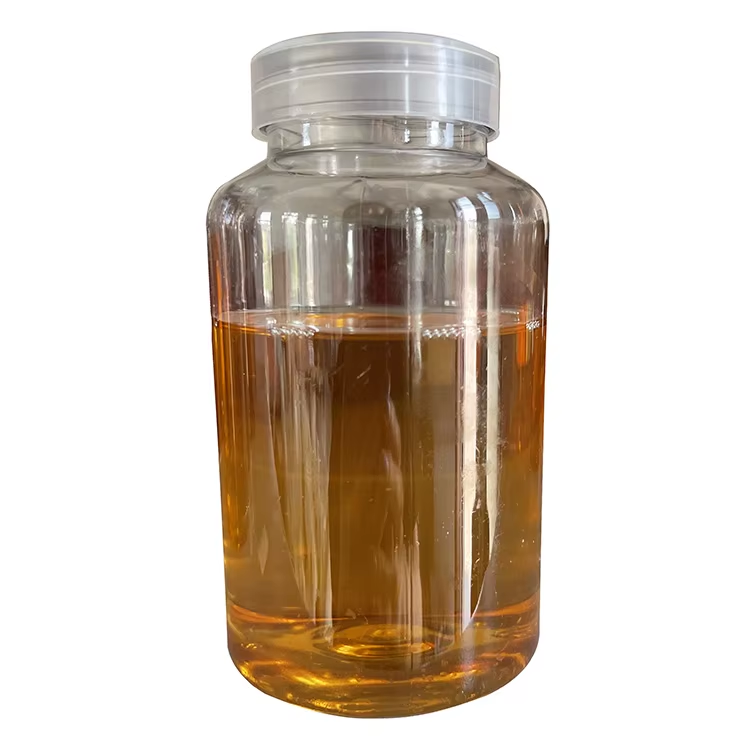
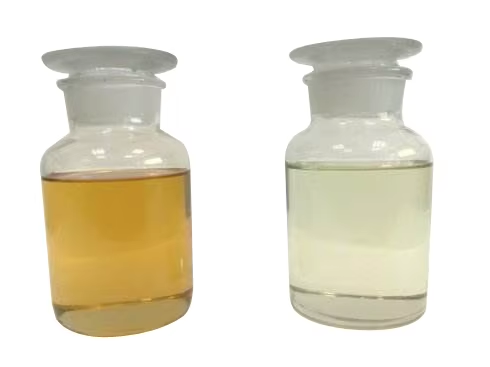
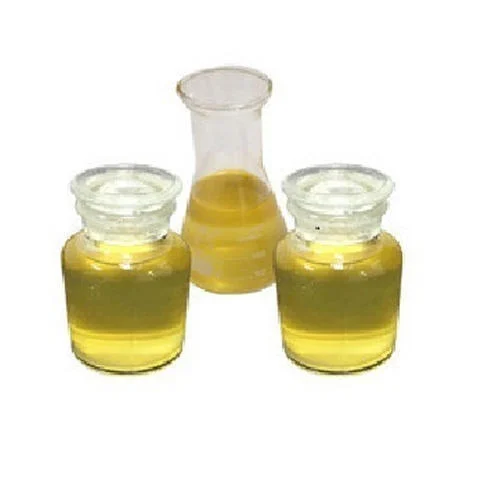
Description
Understanding Polyisocyanates: Key Components in Modern Chemistry and Industry
Polyisocyanates are a crucial class of chemical compounds widely used across various industrial and commercial applications. Characterized by the presence of multiple isocyanate groups (-N=C=O) in their molecular structure, polyisocyanates serve as essential building blocks in the production of polyurethanes and other polymeric materials. This article explores the nature, synthesis, properties, and applications of polyisocyanates, highlighting their importance in contemporary chemistry and manufacturing.
What Are Polyisocyanates?
Polyisocyanates are molecules that contain two or more isocyanate functional groups. The isocyanate group is reactive, allowing it to readily form covalent bonds with compounds containing active hydrogen atoms, such as alcohols and amines. This reactivity is the foundation for the formation of polyurethanes, which are versatile polymers with widespread uses.
Commonly, polyisocyanates are either aliphatic or aromatic depending on whether their backbone contains saturated carbon chains or benzene rings, respectively. Aromatic polyisocyanates, such as toluene diisocyanate (TDI) and methylene diphenyl diisocyanate (MDI), are most commonly used industrially due to their high reactivity and availability.
Synthesis of Polyisocyanates
The primary method for synthesizing polyisocyanates involves the phosgenation of polyamines or polyamines derivatives. In this process, amine groups (-NH2) are converted into isocyanate groups (-NCO) by reaction with phosgene (COCl2).
For example, the production of MDI involves the reaction of aniline derivatives with formaldehyde, forming a diamine intermediate, which is then phosgenated to yield the diisocyanate.
Properties
- Reactive Functional Groups: The multiple isocyanate groups allow for crosslinking and the formation of complex polymer networks.
- Versatility: The chemical reactivity of polyisocyanates enables them to be used in diverse applications, from foams to coatings.
- Stability: Polyisocyanates can be tailored for desired thermal and mechanical stability by modifying their chemical structure.
- Toxicity and Handling: Isocyanates are generally toxic and require careful handling with appropriate safety measures during manufacturing and processing.
Applications
- Polyurethane Production: The predominant use of polyisocyanates is in producing polyurethanes. These materials find applications in flexible and rigid foams, elastomers, adhesives, sealants, and coatings.
- Coatings and Paints: Polyisocyanates serve as hardeners in polyurethane coatings, enhancing durability, chemical resistance, and abrasion resistance of surfaces.
- Adhesives and Sealants: Due to their strong bonding capabilities, polyisocyanates are used in high-performance adhesives and sealants.
- Elastomers and Fibers: The crosslinking properties of polyisocyanates help in manufacturing polyurethane elastomers used in automotive parts, footwear, and textiles.
Environmental and Safety Considerations
Polyisocyanates, particularly their monomeric forms, are known respiratory sensitizers and can cause occupational asthma. Strict industrial hygiene practices and personal protective equipment are essential during handling to prevent exposure. Research is ongoing into developing safer formulations and alternative chemistries to mitigate health risks.
Conclusion
Polyisocyanates are indispensable chemicals in the polymer industry, providing critical functionality for the production of polyurethanes and related materials. Their unique reactive properties allow for the creation of a wide variety of products that contribute significantly to modern manufacturing, construction, automotive, and consumer goods sectors. While their use demands careful attention to safety, ongoing advancements aim to enhance their environmental footprint and usability, securing their role in future industrial applications.


Reviews
There are no reviews yet.