
Description
Polyisobutylene: The Unseen Polymer Powering Everyday Products
In the vast and varied world of polymers, some materials grab headlines, while others quietly underpin the comfort, safety, and functionality of our daily lives. Polyisobutylene (PIB) firmly belongs to the latter category. Often unheard of by the general public, this versatile synthetic rubber is a remarkable workhorse, found in everything from chewing gum to car tires, making it an indispensable component of modern industry.
What is Polyisobutylene?
At its core, Polyisobutylene is a synthetic rubber, a polymer derived from the monomer isobutylene. It is a long-chain hydrocarbon, meaning its backbone is made entirely of carbon and hydrogen atoms, giving it exceptional chemical stability. Unlike many other rubbers, the PIB chain is fully saturated, lacking the double bonds that make natural rubber and some synthetics vulnerable to oxidation and ozone degradation. This inherent stability is one of its most valuable assets.
PIB exists in a wide range of molecular weights, dictating its physical form and properties:
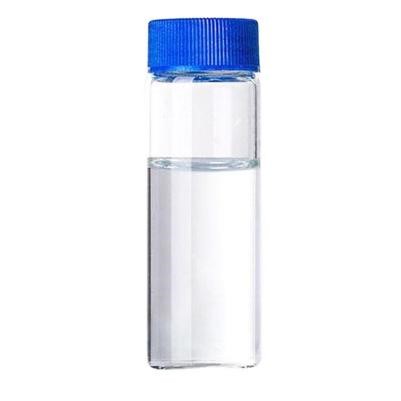
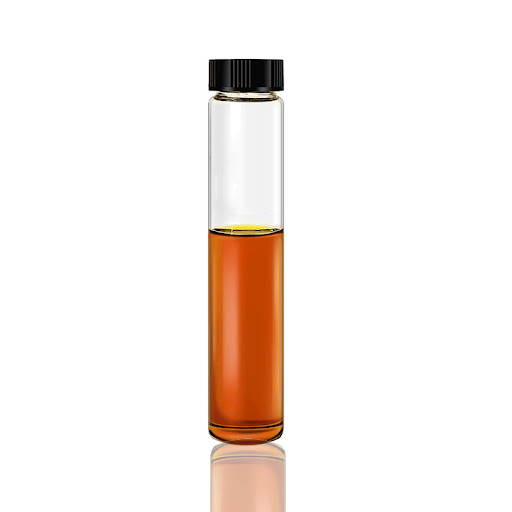
- Low Molecular Weight PIB: These are sticky, viscous liquids, often resembling thick oils or gels.
- High Molecular Weight PIB: These are tough, elastic solids, similar to unvulcanized rubber. When high molecular weight PIB is co-polymerized with a small amount of isoprene and then cross-linked, it forms Butyl Rubber (IIR), a material renowned for its unparalleled gas impermeability.
Key Properties That Make PIB Unique
PIB’s widespread utility stems from a combination of distinctive properties:
- Exceptional Gas Impermeability: This is arguably PIB’s most defining feature. It has a remarkably low permeability to gases like air, nitrogen, and oxygen. This makes it ideal for containing gases or preventing their ingress.
- Excellent Adhesion and Tackiness: Especially in its lower molecular weight forms, PIB is incredibly sticky, making it a prime candidate for various adhesive applications.
- Chemical Resistance: Due to its saturated structure, PIB is highly resistant to acids, alkalis, salts, and many polar solvents.
- Flexibility and Elasticity: Even at low temperatures, PIB retains its flexibility and elastic properties, ensuring performance in diverse climates.
- Resistance to Aging and Weathering: It stands up well to UV radiation, ozone, and general weathering, leading to long-lasting products.
- Biocompatibility: Certain grades of PIB are approved for use in contact with food and in medical applications.
Where Do You Find Polyisobutylene?
Armed with such a unique set of properties, PIB finds its way into an astonishing array of products and industries:
- Adhesives and Sealants: This is one of PIB’s most significant markets. Its tackiness, flexibility, and gas impermeability make it perfect for:
- Pressure-sensitive tapes: From electrical tape to duct tape.
- Caulks and sealants: For windows, doors, roofing, and general construction, providing a durable, waterproof, and airtight seal.
- Foil laminations: As a binder in packaging.
- Hot-melt adhesives.
- Automotive Industry: PIB is crucial for vehicle performance and safety:
- Tire inner liners: Butyl rubber (PIB’s cross-linked cousin) is used to line tires, preventing air from leaking out. This dramatically improves tire pressure retention and fuel efficiency.
- Vibration dampening: In engine mounts and suspension components.
- Sealants: For windscreens and body panels.
- Consumer Products: You might be interacting with PIB right now!
- Chewing Gum Base: A primary component, providing the elasticity and chewiness without sticking to teeth excessively.
- Medical Plasters and Bandages: As a hypoallergenic adhesive.
- Food Packaging: As a sealing layer in multi-layer films to prevent spoilage.
- Lubricants and Fuel Additives: Low molecular weight PIB acts as a thickener in lubricants and as a dispersant in fuel additives, preventing sludge build-up.
- Electrical Insulation: Its good dielectric properties and moisture resistance make it suitable for cable and wire insulation.
- Construction: Used in roofing membranes, pond liners, and vapor barriers due to its waterproofing and weather-resistant qualities.
The Enduring Relevance of an Unsung Hero
In a world increasingly focused on material innovation, Polyisobutylene continues to prove its worth. Its unique combination of gas impermeability, chemical inertness, flexibility, and tackiness makes it irreplaceable in many high-performance applications. While it may rarely feature in the spotlight, PIB is a silent, sticky, and steadfast contributor to the functionality and durability of countless products we rely on every single day. The next time you chew gum, drive your car, or walk past a sealed window, remember the invisible workhorse that is Polyisobutylene, tirelessly holding things together.


Reviews
There are no reviews yet.