

Description
Title: Understanding Polyglycolic Acid (PGA) and Its Applications in Medicine
Introduction
Polyglycolic acid (PGA) is a biodegradable, synthetic polymer that has been widely used in various medical applications due to its biocompatibility and mechanical strength. Developed in the 1950s, PGA has found its way into numerous medical devices and therapies, providing innovative solutions to age-old problems. In this article, we will explore the properties, production, and applications of polyglycolic acid in the medical field.
Properties of Polyglycolic Acid
PGA is an aliphatic polyester derived from glycolic acid monomers. It is a linear, high molecular weight polymer with a simple structure, making it highly biodegradable. The degradation process occurs through hydrolysis, where water molecules break down the ester linkages within the polymer chain, resulting in the formation of glycolic acid, a naturally occurring substance in the human body.
PGA is characterized by its high tensile strength and modulus, which allows it to maintain its structural integrity even under stress. This property makes it suitable for use in load-bearing applications, such as orthopedic devices and sutures. Additionally, PGA is non-toxic and non-immunogenic, meaning it does not provoke an immune response when introduced into the body, making it safe for use in various medical applications.
Production of Polyglycolic Acid
Polyglycolic acid is synthesized through a process called ring-opening polymerization, where glycolide monomers are reacted in the presence of a catalyst to form a high molecular weight polymer. The resulting polymer is then processed into various forms, such as fibers, films, or porous scaffolds, depending on the intended application.
Applications of Polyglycolic Acid in Medicine
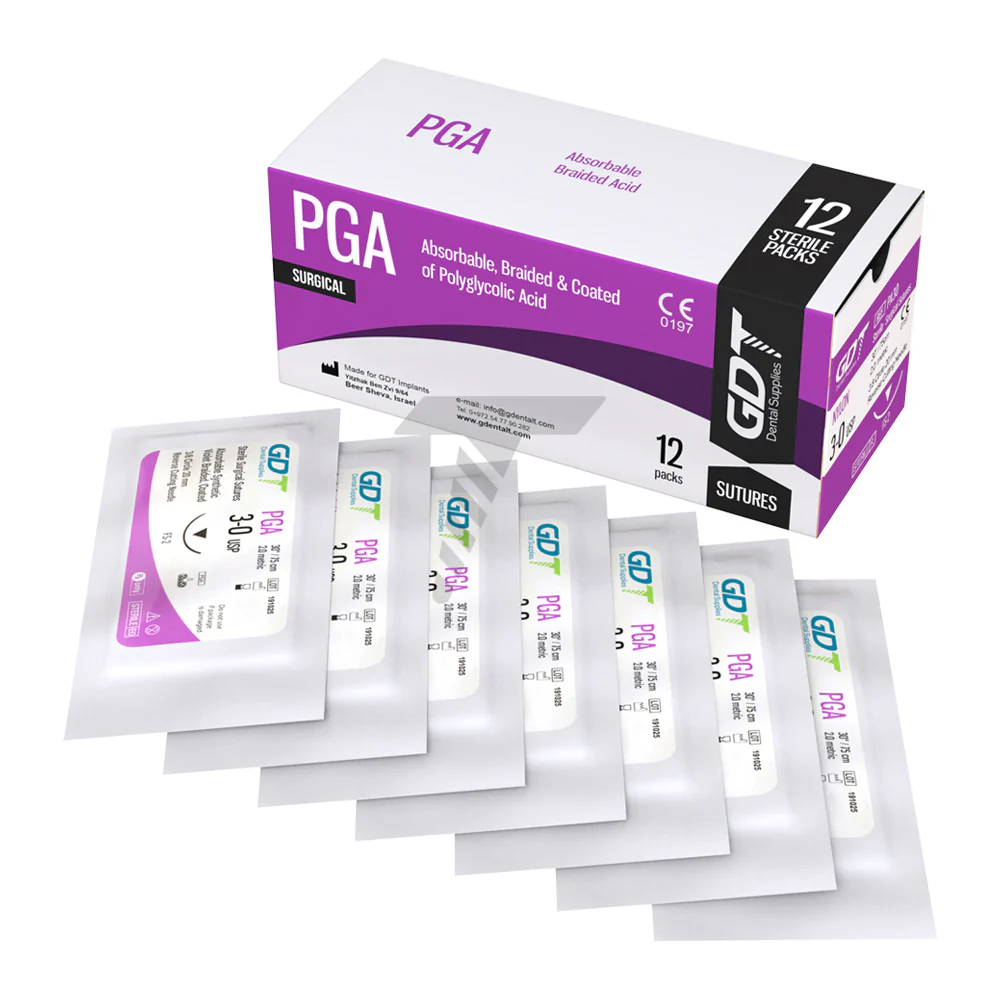
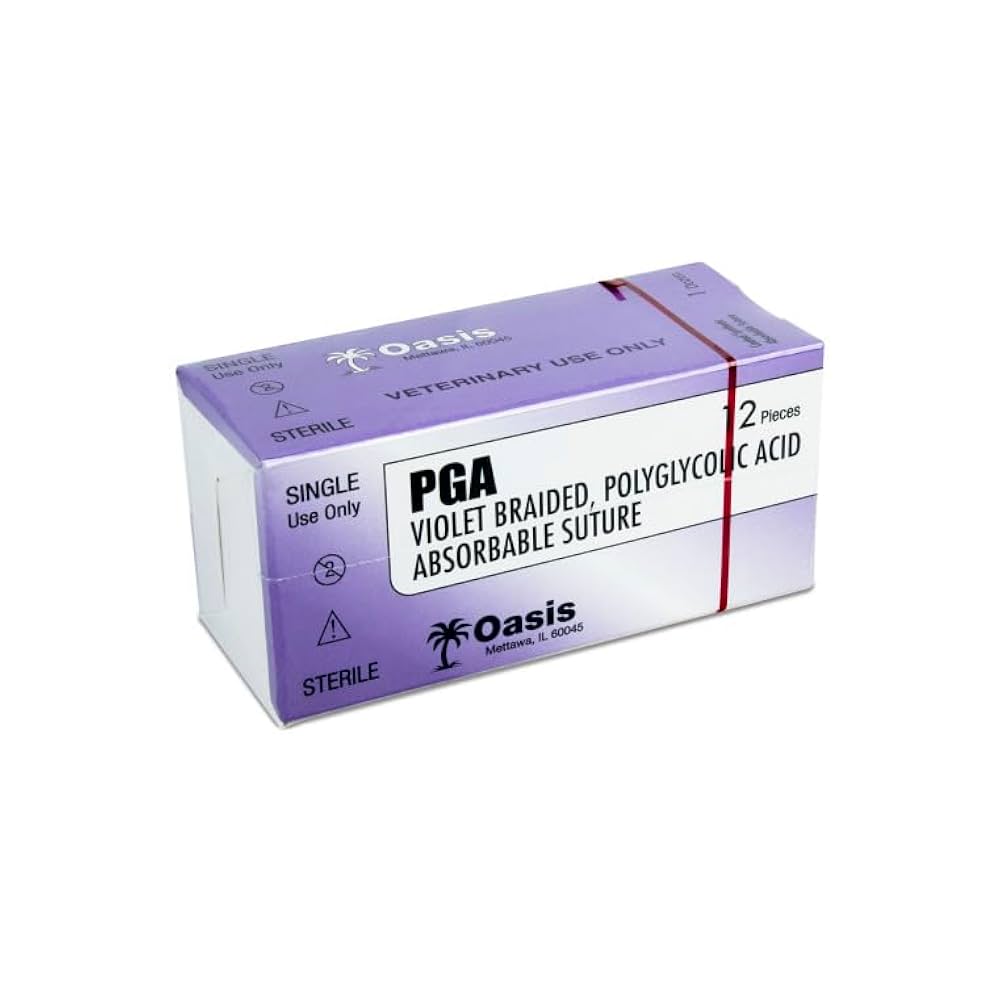
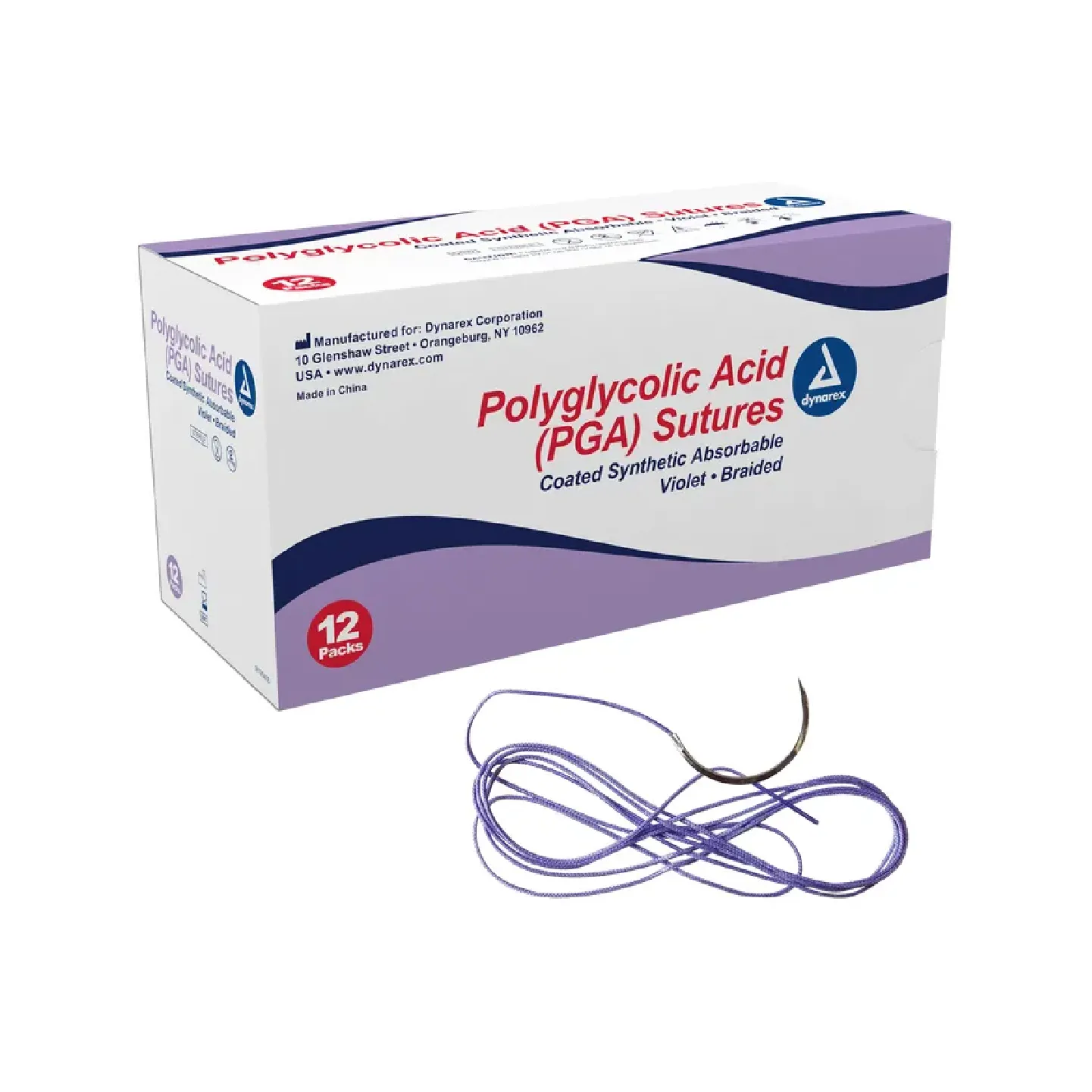
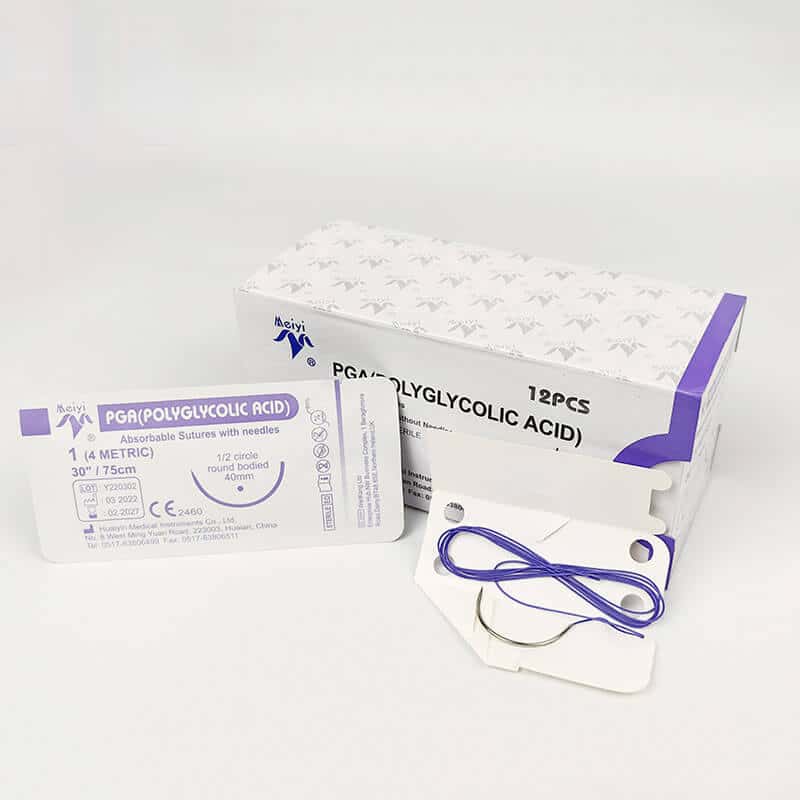
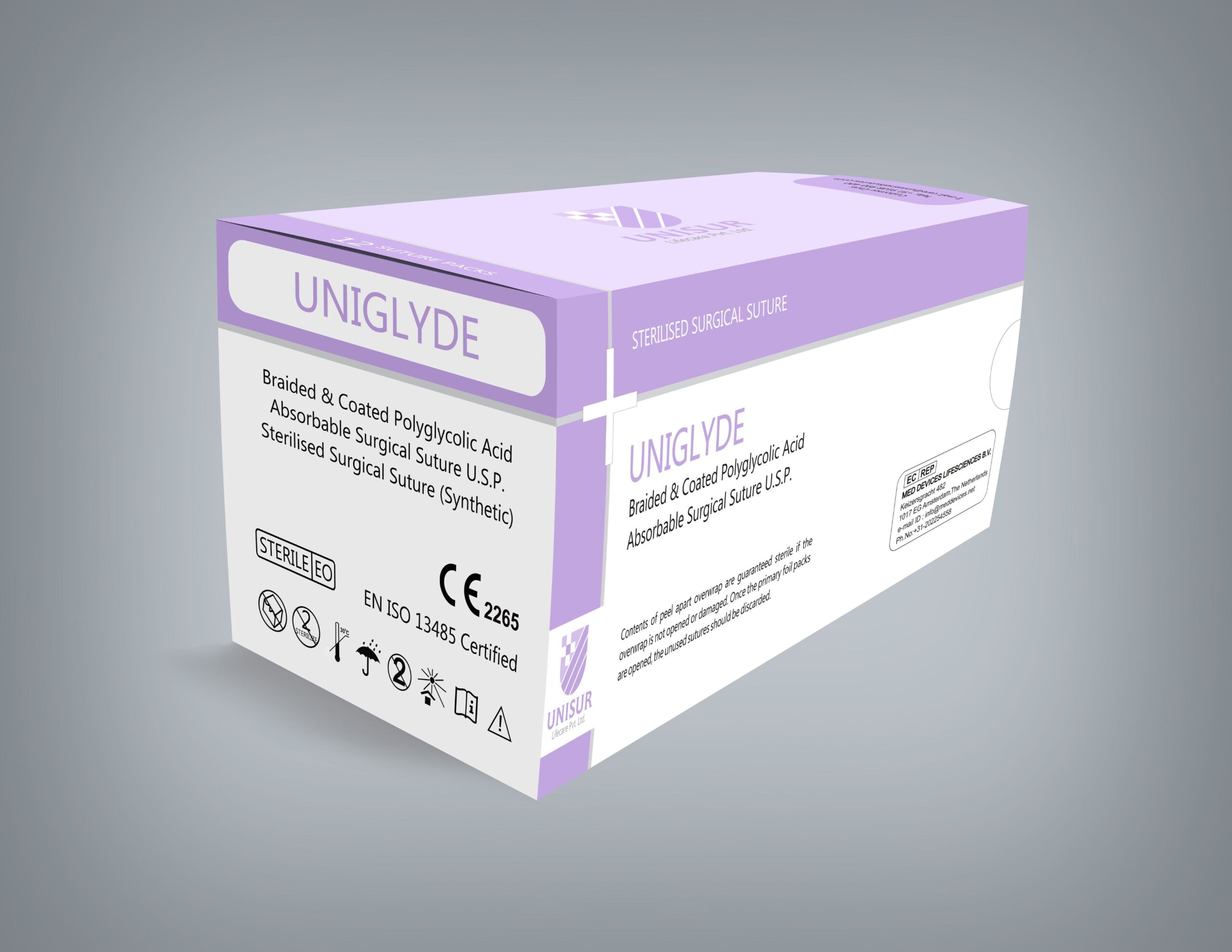
- Sutures: One of the most common applications of PGA is in the production of surgical sutures. PGA sutures have excellent tensile strength and can maintain their integrity for several weeks, allowing for adequate healing time. They are also fully absorbed by the body within 60-90 days, eliminating the need for suture removal.
- Orthopedic devices: Due to its high tensile strength and biodegradability, PGA has been used in the development of orthopedic devices, such as screws, pins, and plates. These devices are designed to provide temporary support to fractured bones while allowing for gradual healing. As the PGA degrades, it is replaced by new bone tissue, eliminating the need for a second surgery to remove the implant.
- Drug delivery systems: PGA has been used as a carrier material for controlled drug release systems. By incorporating drugs into PGA matrices or fibers, the release rate of the drug can be tailored to achieve optimal therapeutic effects. This approach has been particularly useful in cancer treatment, where localized drug delivery can minimize side effects and improve treatment outcomes.
- Tissue engineering: PGA is an essential component in the development of tissue engineering scaffolds. These scaffolds provide a temporary structural support for cells to grow and proliferate, eventually forming functional tissues. PGA-based scaffolds have been used in the regeneration of various tissues, including bone, cartilage, and skin.
- Wound dressings: PGA has been used to create absorbent and breathable wound dressings that can promote healing and prevent infection. These dressings can be impregnated with various active agents, such as antimicrobials or growth factors, to enhance their therapeutic effects.
Conclusion
Polyglycolic acid is a versatile biomaterial with a wide range of applications in the medical field. Its biodegradability, biocompatibility, and mechanical strength make it an ideal choice for various medical devices and therapies. As research continues to advance, it is likely that PGA will continue to play a significant role in the development of innovative solutions to improve human health and well-being.



Reviews
There are no reviews yet.